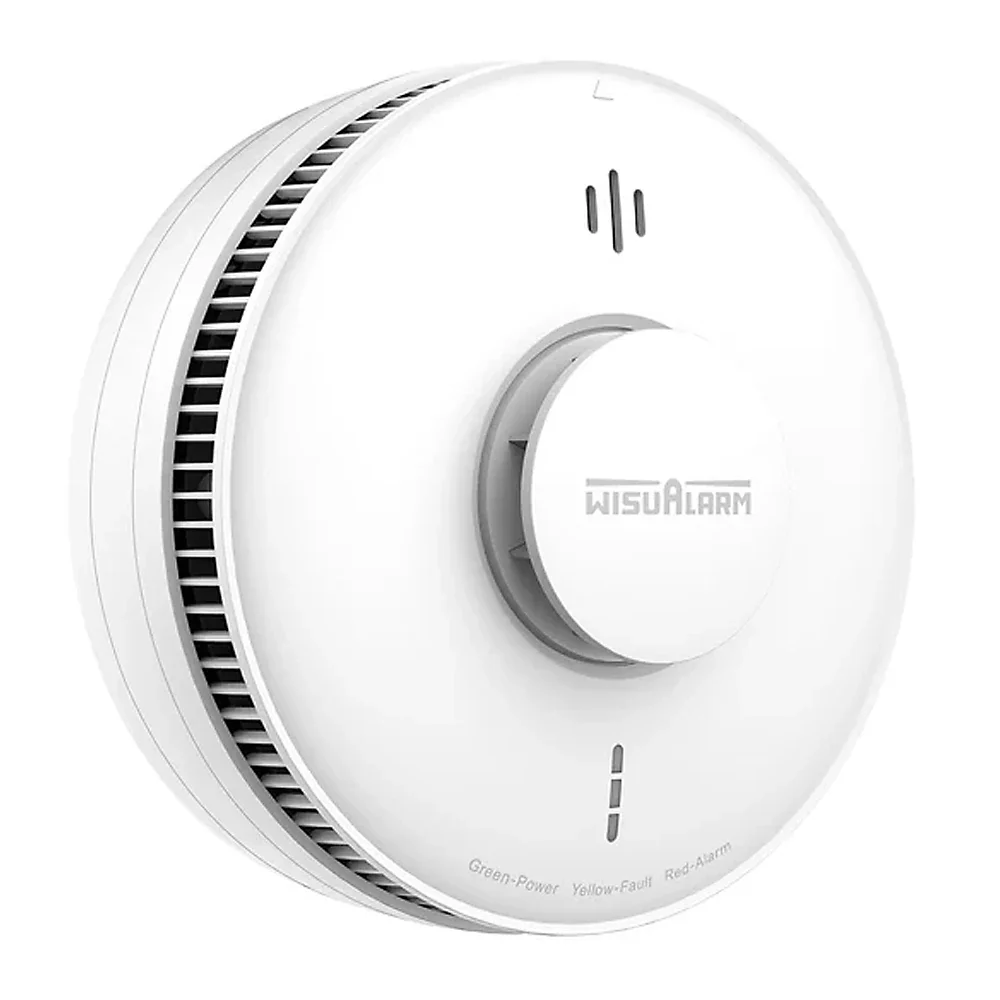
Wisualarm Mains Powered Heat Alarm | Grade D2 | Class A1 54–65°C | 9V Battery Backup | Wired Interconnect
Wisualarm Mains Powered Heat Alarm | Grade D2 | Class A1 54–65°C | 9V Battery Backup | Wired Interconnect
Grade D2 Class A1 Heat Detection 54°C – 65°C Fixed Temp
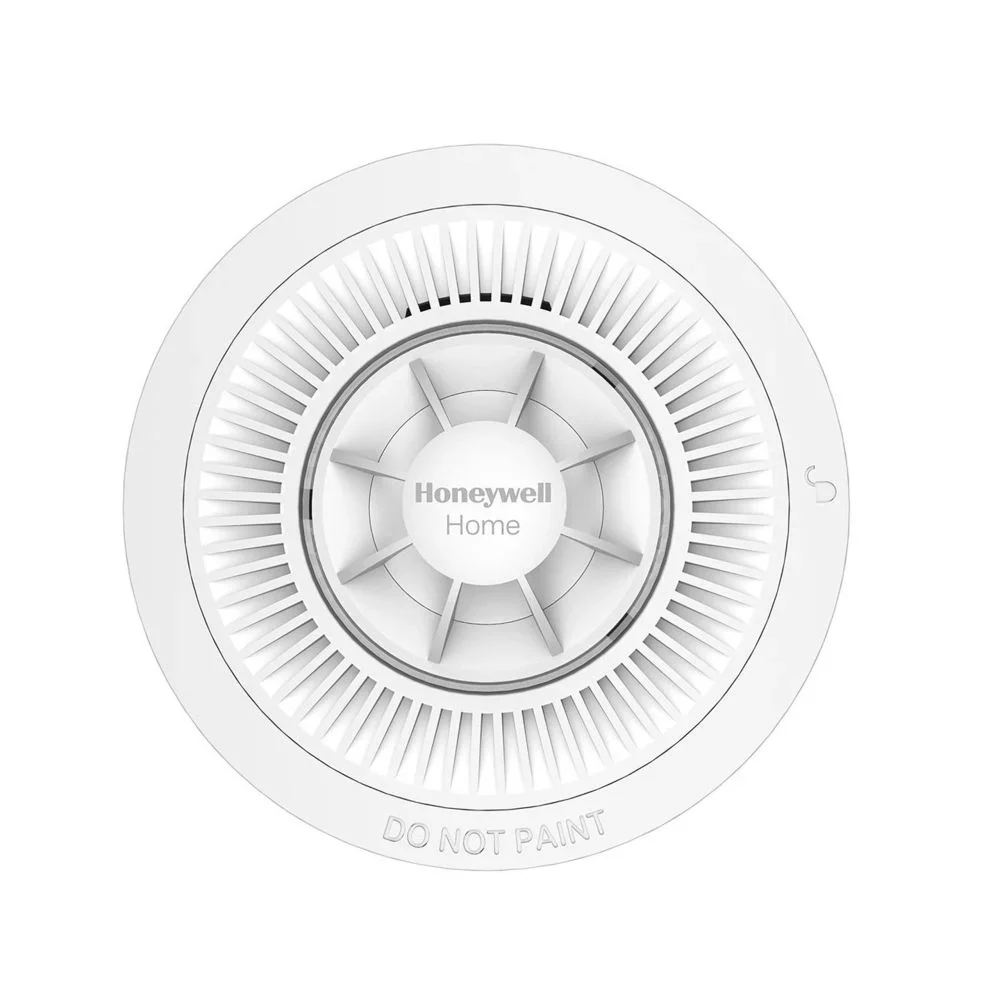
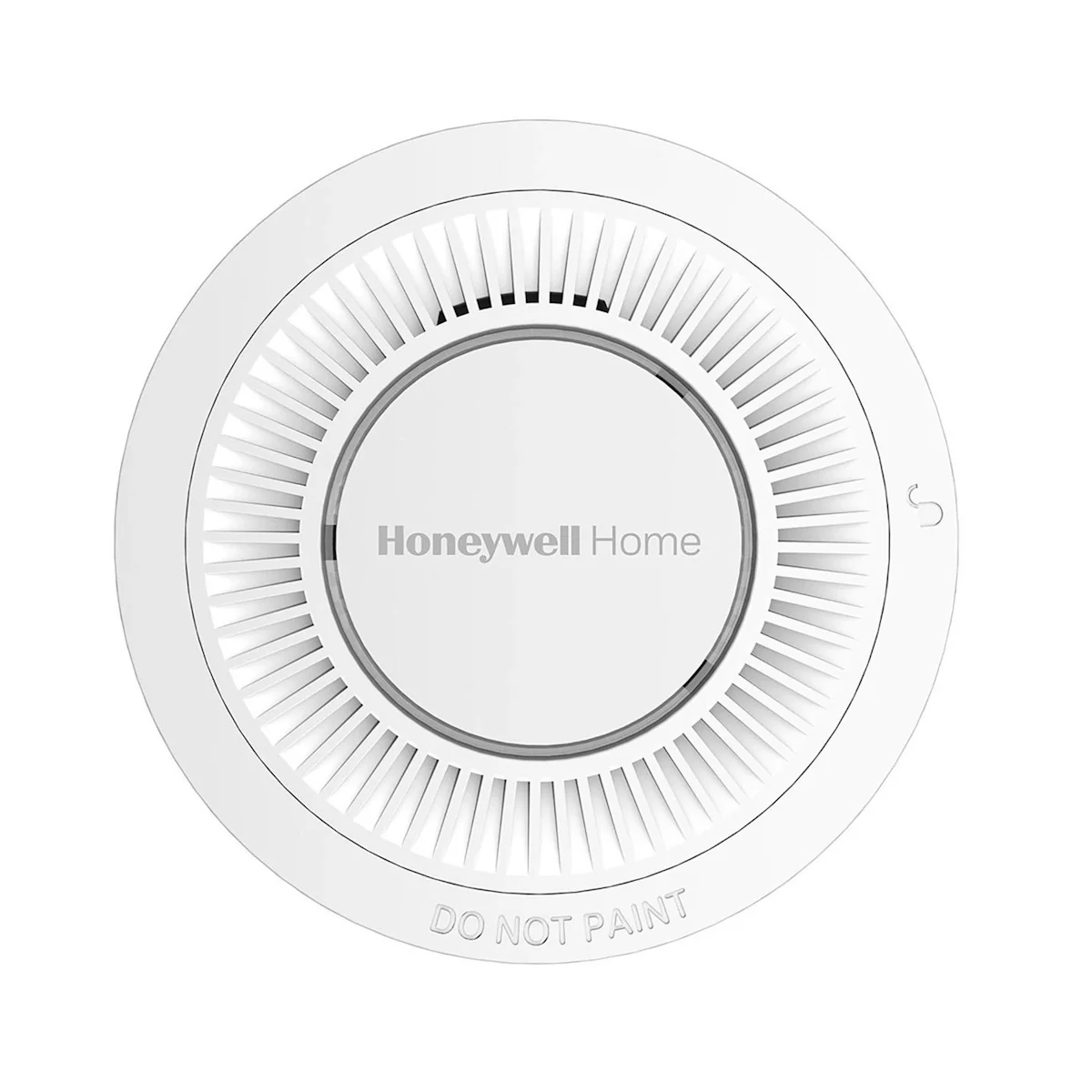
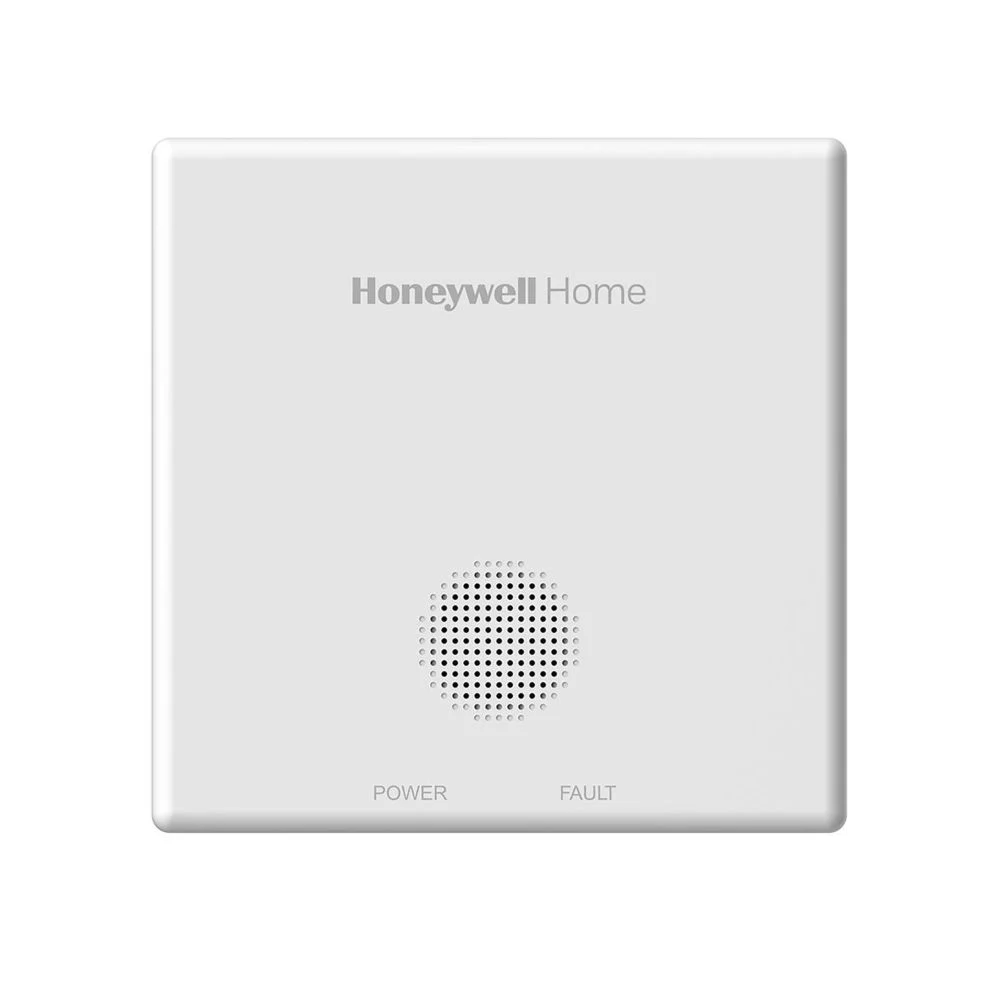
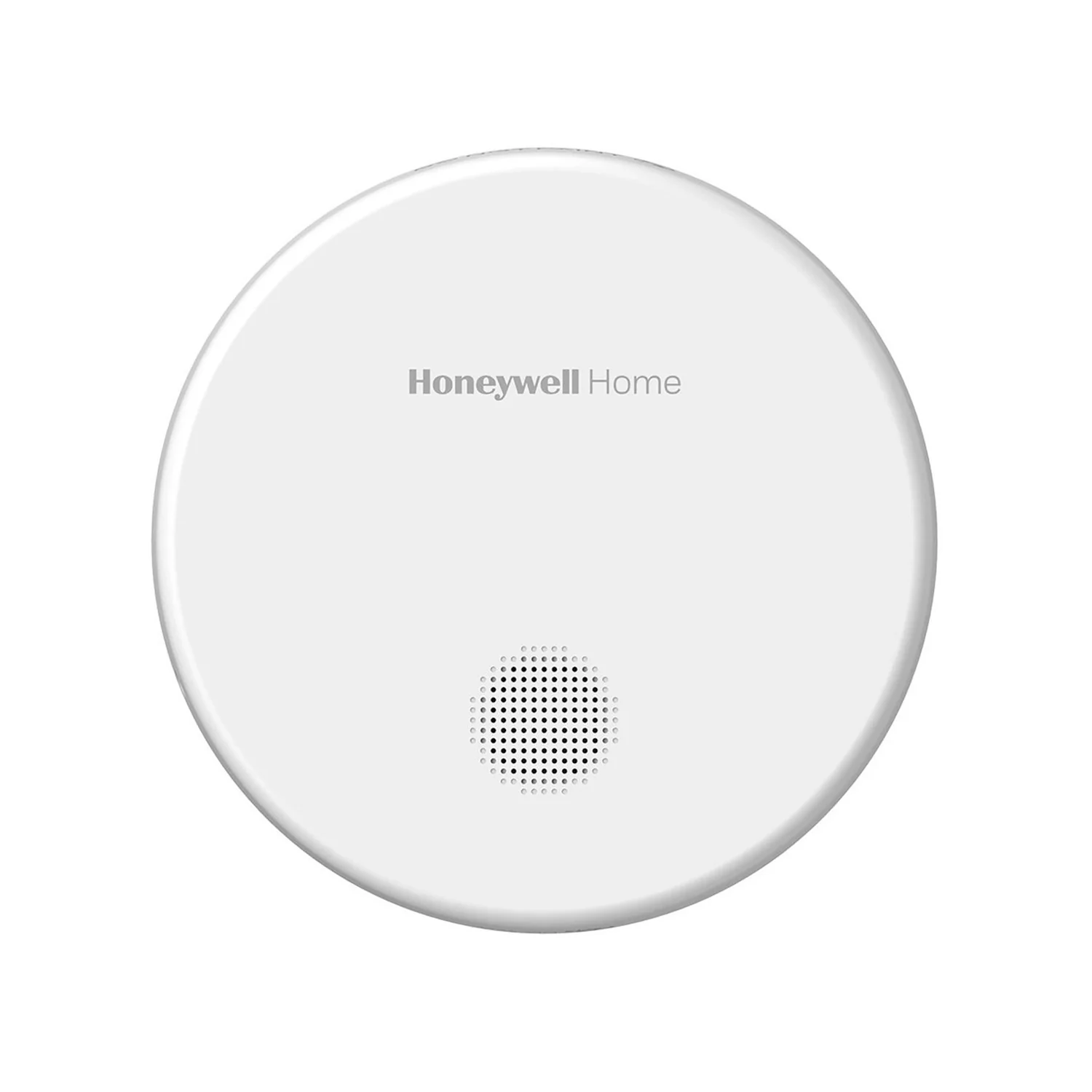
The Wisualarm DHI-HY-HT5MB is a mains-powered Class A1 fixed-temperature heat alarm certified to BS 5446-2:2003, designed for rooms where a smoke alarm would cause persistent false activations — principally kitchens, garages, utility rooms and loft spaces. It draws its primary power from a permanent 230V mains connection and includes a replaceable 9V alkaline battery as standby backup, classifying it as a Grade D2 device under BS 5839-6. A high-precision thermistor triggers the alarm when the ambient temperature reaches 54°C–65°C. The 85dB sounder sounds continuously until reset. The unit interconnects by wire with up to 24 other Wisualarm mains-powered smoke and heat alarms, and can optionally join the WisuLink wireless mesh by adding the DHI-HY-MRF50-R8 wireless module — enabling a hybrid system that links wired and wireless devices.
Key Features
LED Status Indicators
Three LEDs provide continuous status feedback:
| 🟢 Green — steady on | Standby, mains power confirmed and alarm operational |
| 🔴 Red — flashes once per second | Alarm state — temperature threshold exceeded |
| 🟡 Yellow — flashes twice per minute | Sensor fault — replace alarm unit |
| 🟡 Yellow — flashes once per minute | Low battery backup — 9V battery needs replacing. Green LED should remain lit (mains still present); if green is off, mains power has also been lost — check wiring, fuses or circuit breakers. |
Where to Use a Heat Alarm
Heat alarms detect the rise in air temperature caused by fire rather than smoke particles. They are significantly less sensitive than smoke alarms to steam, cooking fumes, dust and humidity — which makes them the right choice in environments where smoke alarms would alarm repeatedly without a real fire:
📋 UK Regulatory Context — Smoke and Carbon Monoxide Alarm (Amendment) Regulations 2022 (England): Landlords must install a smoke alarm on every storey used as living accommodation. The statutory guidance specifically recommends a heat alarm (rather than smoke alarm) in kitchens with cooking appliances to avoid false activations. This alarm, certified to BS 5446-2:2003 and classified Grade D2, meets the technical requirements for compliance in England and Wales.
📋 Scotland — Housing (Scotland) Act 2006 & Fire (Scotland) Act 2005: Scottish regulations require interlinked alarms throughout all rooms used for living accommodation. In kitchens, a heat alarm is specified (not smoke). The HT5MB's wired interconnect capability — and its ability to join a wireless mesh via the optional WisuLink module — makes it suitable for Scottish compliance installations. Note: Scottish regulations specify that all alarms must be interlinked; confirm the full system design meets the relevant Scottish guidance before installation.
HT5MA vs HT5MB — Which Mains Heat Alarm?
| Feature | DHI-HY-HT5MA | DHI-HY-HT5MB ★ This product |
|---|---|---|
| Primary power | 230V AC mains | 230V AC mains |
| Standby battery backup | 10-year sealed rechargeable lithium (built-in, non-replaceable) | 9V alkaline (replaceable by user) |
| BS 5839-6 Grade | Grade D1 | Grade D2 |
| Battery maintenance | None — sealed lithium lasts life of alarm | Replace 9V battery periodically (every 1–3 years typical) |
| Detection class | Class A1 (54°C–65°C) | Class A1 (54°C–65°C) |
| Alarm output | 85dB(A) | 85dB(A) |
| Wired interconnect | ✓ Up to 24 devices | ✓ Up to 24 devices |
| Wireless (built-in) | ✓ WisuLink built-in | ✗ Optional module only (DHI-HY-MRF50-R8) |
| BS standard | BS 5446-2:2003 | BS 5446-2:2003 |
| Best for | Installations specifying Grade D1; preference for maintenance-free sealed backup — typically new-build or refurb where no ongoing battery replacement is desired | Installations specifying Grade D2; wired-primary systems where user-replaceable battery backup is specified or preferred; lower upfront cost |
For most domestic UK installations either Grade D1 or D2 meets the regulatory requirement — check your specific project specification or the applicable building regulations guidance. Grade D1 is increasingly specified in new-build because it eliminates battery replacement obligations. Grade D2 remains widely used in rental properties and retrofit installations.
Technical Specifications
| Specification | Detail |
|---|---|
| Product Identity | |
| Model number | DHI-HY-HT5MB |
| Brand | Wisualarm (by Dahua) |
| Grade (BS 5839-6) | Grade D2 |
| Detection | |
| Sensor type | High-precision thermistor |
| Detection class | Class A1 — fixed temperature |
| Alarm temperature range | 54°C to 65°C |
| Power | |
| Primary supply | 230V AC mains (hardwired) |
| Standby battery | 9V alkaline — user replaceable |
| Alarm Output | |
| Alarm volume | 85dB(A) at 3 metres |
| Alarm mode | Continuous until reset |
| Visual alarm | Red LED flashes once per second |
| Indicators | |
| Green LED | Steady on — mains power present, operational |
| Red LED | Flashes 1/sec — alarm state |
| Yellow LED | Flashes 2/min — sensor fault; flashes 1/min — low battery backup |
| Controls | |
| Test / Silence button | Central push button — combined test and silence |
| IR remote silence | Supported — any standard IR remote control |
| Interconnection | |
| Wired interconnect | Yes — up to 24 compatible devices |
| Wireless interconnect | Optional — requires DHI-HY-MRF50-R8 module (sold separately) |
| App connectivity | Optional — requires wireless module + DHI-HY-GW01A Gateway |
| Physical | |
| Dimensions | Ø148.60mm × 68.44mm deep |
| Weight | 310g |
| Mounting | Ceiling mount |
| Colour | White |
| Certifications & Standards | |
| Heat alarm standard | BS 5446-2:2003 |
| Certifications | CE, UKCA |
FAQs
Why choose a heat alarm for my kitchen rather than a smoke alarm?
Kitchens produce steam, cooking fumes and aerosols that smoke alarms cannot reliably distinguish from smoke. The result is persistent nuisance activations — the most common reason people remove or disable their smoke alarm, leaving the property unprotected. BS 5839-6 and the statutory guidance for the Smoke and Carbon Monoxide Alarm Regulations 2022 specifically recommend a heat alarm in rooms with cooking appliances for this reason. A heat alarm detects the dramatic rise in air temperature caused by an actual fire rather than reacting to airborne particles, providing reliable protection without the nuisance alarm problem.
What does Grade D2 mean?
BS 5839-6 defines fire alarm system grades for domestic properties. Grade D2 means mains-powered detectors with an integral standby power supply consisting of a user-replaceable battery. This is the grade of this unit — it runs on 230V mains and includes a replaceable 9V battery for backup during power cuts. Grade D1 (like the HT5MA) is the same but with a sealed, non-replaceable lithium backup battery. Both grades are widely accepted under current UK regulations; the choice between them is typically set by the specifying designer, building regulations guidance or client preference.
Does this alarm require an electrician to install?
Yes. The HT5MB connects directly to a 230V mains circuit. In England and Wales, connecting or modifying a mains circuit in a kitchen or bathroom is notifiable work under Part P of the Building Regulations and should be carried out by a competent person (typically a registered electrician). In other rooms the requirement depends on the nature of the circuit work. In Scotland, all electrical work in a dwelling must comply with the Building (Scotland) Regulations. Always consult a qualified electrician for mains installation work.
How do I add this to a wireless WisuLink system?
The HT5MB does not have built-in wireless capability. To connect it to a WisuLink wireless network — for example, to integrate it with battery-powered wireless smoke alarms in other rooms — you need to add the DHI-HY-MRF50-R8 Wireless Interconnect Module (sold separately). This module plugs into the alarm's base connector and enables it to communicate wirelessly via the WisuLink 868 MHz mesh. Once paired, it will both receive and transmit alarm signals wirelessly to all other linked devices. Note: the HT5MA includes wireless capability built-in and does not require an additional module.
Can I receive smartphone notifications when this alarm triggers?
Yes, but it requires two additional components. First, you need to add the DHI-HY-MRF50-R8 wireless module to bring the HT5MB onto the WisuLink network. Then, adding the DHI-HY-GW01A Wisualarm Internet Gateway to the WisuLink network connects all paired devices to the internet, enabling push notifications to the free Wisualarm app on your smartphone. If you primarily want wireless interconnect and app notifications from the outset, consider the DHI-HY-HT5MA which has WisuLink built-in.
How often should I replace the 9V backup battery?
The unit will alert you when the backup battery is depleted via the yellow LED flashing once per minute and an audible beep. As a general maintenance practice, it is good practice to test the alarm monthly (press the test button) and replace the 9V battery at least once a year, or at whatever interval your property management schedule or regulations require. In Scotland, the Tolerable Standard requires that smoke and heat alarms are regularly tested and maintained — battery replacement forms part of this obligation.
Original: $41.84
-65%$41.84
$14.64More Images
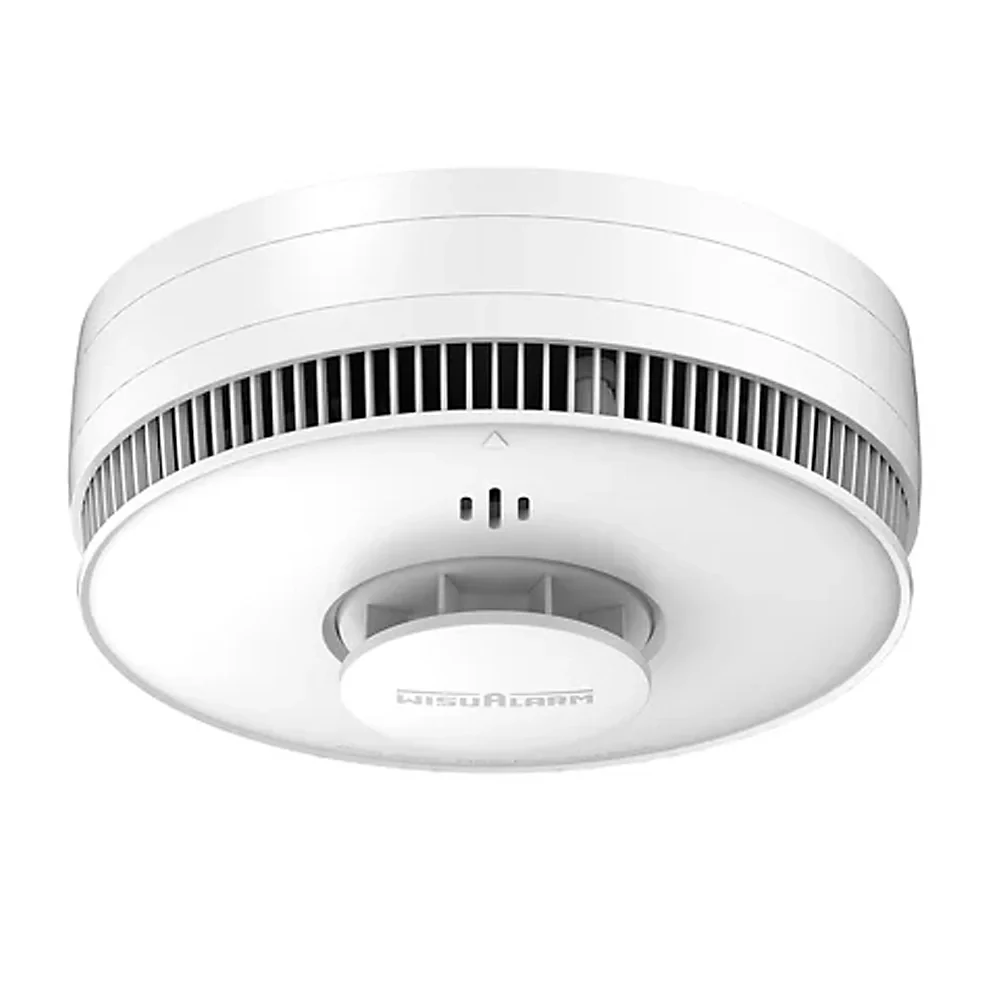

Wisualarm Mains Powered Heat Alarm | Grade D2 | Class A1 54–65°C | 9V Battery Backup | Wired Interconnect
Grade D2 Class A1 Heat Detection 54°C – 65°C Fixed Temp
The Wisualarm DHI-HY-HT5MB is a mains-powered Class A1 fixed-temperature heat alarm certified to BS 5446-2:2003, designed for rooms where a smoke alarm would cause persistent false activations — principally kitchens, garages, utility rooms and loft spaces. It draws its primary power from a permanent 230V mains connection and includes a replaceable 9V alkaline battery as standby backup, classifying it as a Grade D2 device under BS 5839-6. A high-precision thermistor triggers the alarm when the ambient temperature reaches 54°C–65°C. The 85dB sounder sounds continuously until reset. The unit interconnects by wire with up to 24 other Wisualarm mains-powered smoke and heat alarms, and can optionally join the WisuLink wireless mesh by adding the DHI-HY-MRF50-R8 wireless module — enabling a hybrid system that links wired and wireless devices.
Key Features
LED Status Indicators
Three LEDs provide continuous status feedback:
| 🟢 Green — steady on | Standby, mains power confirmed and alarm operational |
| 🔴 Red — flashes once per second | Alarm state — temperature threshold exceeded |
| 🟡 Yellow — flashes twice per minute | Sensor fault — replace alarm unit |
| 🟡 Yellow — flashes once per minute | Low battery backup — 9V battery needs replacing. Green LED should remain lit (mains still present); if green is off, mains power has also been lost — check wiring, fuses or circuit breakers. |
Where to Use a Heat Alarm
Heat alarms detect the rise in air temperature caused by fire rather than smoke particles. They are significantly less sensitive than smoke alarms to steam, cooking fumes, dust and humidity — which makes them the right choice in environments where smoke alarms would alarm repeatedly without a real fire:
📋 UK Regulatory Context — Smoke and Carbon Monoxide Alarm (Amendment) Regulations 2022 (England): Landlords must install a smoke alarm on every storey used as living accommodation. The statutory guidance specifically recommends a heat alarm (rather than smoke alarm) in kitchens with cooking appliances to avoid false activations. This alarm, certified to BS 5446-2:2003 and classified Grade D2, meets the technical requirements for compliance in England and Wales.
📋 Scotland — Housing (Scotland) Act 2006 & Fire (Scotland) Act 2005: Scottish regulations require interlinked alarms throughout all rooms used for living accommodation. In kitchens, a heat alarm is specified (not smoke). The HT5MB's wired interconnect capability — and its ability to join a wireless mesh via the optional WisuLink module — makes it suitable for Scottish compliance installations. Note: Scottish regulations specify that all alarms must be interlinked; confirm the full system design meets the relevant Scottish guidance before installation.
HT5MA vs HT5MB — Which Mains Heat Alarm?
| Feature | DHI-HY-HT5MA | DHI-HY-HT5MB ★ This product |
|---|---|---|
| Primary power | 230V AC mains | 230V AC mains |
| Standby battery backup | 10-year sealed rechargeable lithium (built-in, non-replaceable) | 9V alkaline (replaceable by user) |
| BS 5839-6 Grade | Grade D1 | Grade D2 |
| Battery maintenance | None — sealed lithium lasts life of alarm | Replace 9V battery periodically (every 1–3 years typical) |
| Detection class | Class A1 (54°C–65°C) | Class A1 (54°C–65°C) |
| Alarm output | 85dB(A) | 85dB(A) |
| Wired interconnect | ✓ Up to 24 devices | ✓ Up to 24 devices |
| Wireless (built-in) | ✓ WisuLink built-in | ✗ Optional module only (DHI-HY-MRF50-R8) |
| BS standard | BS 5446-2:2003 | BS 5446-2:2003 |
| Best for | Installations specifying Grade D1; preference for maintenance-free sealed backup — typically new-build or refurb where no ongoing battery replacement is desired | Installations specifying Grade D2; wired-primary systems where user-replaceable battery backup is specified or preferred; lower upfront cost |
For most domestic UK installations either Grade D1 or D2 meets the regulatory requirement — check your specific project specification or the applicable building regulations guidance. Grade D1 is increasingly specified in new-build because it eliminates battery replacement obligations. Grade D2 remains widely used in rental properties and retrofit installations.
Technical Specifications
| Specification | Detail |
|---|---|
| Product Identity | |
| Model number | DHI-HY-HT5MB |
| Brand | Wisualarm (by Dahua) |
| Grade (BS 5839-6) | Grade D2 |
| Detection | |
| Sensor type | High-precision thermistor |
| Detection class | Class A1 — fixed temperature |
| Alarm temperature range | 54°C to 65°C |
| Power | |
| Primary supply | 230V AC mains (hardwired) |
| Standby battery | 9V alkaline — user replaceable |
| Alarm Output | |
| Alarm volume | 85dB(A) at 3 metres |
| Alarm mode | Continuous until reset |
| Visual alarm | Red LED flashes once per second |
| Indicators | |
| Green LED | Steady on — mains power present, operational |
| Red LED | Flashes 1/sec — alarm state |
| Yellow LED | Flashes 2/min — sensor fault; flashes 1/min — low battery backup |
| Controls | |
| Test / Silence button | Central push button — combined test and silence |
| IR remote silence | Supported — any standard IR remote control |
| Interconnection | |
| Wired interconnect | Yes — up to 24 compatible devices |
| Wireless interconnect | Optional — requires DHI-HY-MRF50-R8 module (sold separately) |
| App connectivity | Optional — requires wireless module + DHI-HY-GW01A Gateway |
| Physical | |
| Dimensions | Ø148.60mm × 68.44mm deep |
| Weight | 310g |
| Mounting | Ceiling mount |
| Colour | White |
| Certifications & Standards | |
| Heat alarm standard | BS 5446-2:2003 |
| Certifications | CE, UKCA |
FAQs
Why choose a heat alarm for my kitchen rather than a smoke alarm?
Kitchens produce steam, cooking fumes and aerosols that smoke alarms cannot reliably distinguish from smoke. The result is persistent nuisance activations — the most common reason people remove or disable their smoke alarm, leaving the property unprotected. BS 5839-6 and the statutory guidance for the Smoke and Carbon Monoxide Alarm Regulations 2022 specifically recommend a heat alarm in rooms with cooking appliances for this reason. A heat alarm detects the dramatic rise in air temperature caused by an actual fire rather than reacting to airborne particles, providing reliable protection without the nuisance alarm problem.
What does Grade D2 mean?
BS 5839-6 defines fire alarm system grades for domestic properties. Grade D2 means mains-powered detectors with an integral standby power supply consisting of a user-replaceable battery. This is the grade of this unit — it runs on 230V mains and includes a replaceable 9V battery for backup during power cuts. Grade D1 (like the HT5MA) is the same but with a sealed, non-replaceable lithium backup battery. Both grades are widely accepted under current UK regulations; the choice between them is typically set by the specifying designer, building regulations guidance or client preference.
Does this alarm require an electrician to install?
Yes. The HT5MB connects directly to a 230V mains circuit. In England and Wales, connecting or modifying a mains circuit in a kitchen or bathroom is notifiable work under Part P of the Building Regulations and should be carried out by a competent person (typically a registered electrician). In other rooms the requirement depends on the nature of the circuit work. In Scotland, all electrical work in a dwelling must comply with the Building (Scotland) Regulations. Always consult a qualified electrician for mains installation work.
How do I add this to a wireless WisuLink system?
The HT5MB does not have built-in wireless capability. To connect it to a WisuLink wireless network — for example, to integrate it with battery-powered wireless smoke alarms in other rooms — you need to add the DHI-HY-MRF50-R8 Wireless Interconnect Module (sold separately). This module plugs into the alarm's base connector and enables it to communicate wirelessly via the WisuLink 868 MHz mesh. Once paired, it will both receive and transmit alarm signals wirelessly to all other linked devices. Note: the HT5MA includes wireless capability built-in and does not require an additional module.
Can I receive smartphone notifications when this alarm triggers?
Yes, but it requires two additional components. First, you need to add the DHI-HY-MRF50-R8 wireless module to bring the HT5MB onto the WisuLink network. Then, adding the DHI-HY-GW01A Wisualarm Internet Gateway to the WisuLink network connects all paired devices to the internet, enabling push notifications to the free Wisualarm app on your smartphone. If you primarily want wireless interconnect and app notifications from the outset, consider the DHI-HY-HT5MA which has WisuLink built-in.
How often should I replace the 9V backup battery?
The unit will alert you when the backup battery is depleted via the yellow LED flashing once per minute and an audible beep. As a general maintenance practice, it is good practice to test the alarm monthly (press the test button) and replace the 9V battery at least once a year, or at whatever interval your property management schedule or regulations require. In Scotland, the Tolerable Standard requires that smoke and heat alarms are regularly tested and maintained — battery replacement forms part of this obligation.
Product Information
Product Information
Shipping & Returns
Shipping & Returns
Description
Grade D2 Class A1 Heat Detection 54°C – 65°C Fixed Temp
The Wisualarm DHI-HY-HT5MB is a mains-powered Class A1 fixed-temperature heat alarm certified to BS 5446-2:2003, designed for rooms where a smoke alarm would cause persistent false activations — principally kitchens, garages, utility rooms and loft spaces. It draws its primary power from a permanent 230V mains connection and includes a replaceable 9V alkaline battery as standby backup, classifying it as a Grade D2 device under BS 5839-6. A high-precision thermistor triggers the alarm when the ambient temperature reaches 54°C–65°C. The 85dB sounder sounds continuously until reset. The unit interconnects by wire with up to 24 other Wisualarm mains-powered smoke and heat alarms, and can optionally join the WisuLink wireless mesh by adding the DHI-HY-MRF50-R8 wireless module — enabling a hybrid system that links wired and wireless devices.
Key Features
LED Status Indicators
Three LEDs provide continuous status feedback:
| 🟢 Green — steady on | Standby, mains power confirmed and alarm operational |
| 🔴 Red — flashes once per second | Alarm state — temperature threshold exceeded |
| 🟡 Yellow — flashes twice per minute | Sensor fault — replace alarm unit |
| 🟡 Yellow — flashes once per minute | Low battery backup — 9V battery needs replacing. Green LED should remain lit (mains still present); if green is off, mains power has also been lost — check wiring, fuses or circuit breakers. |
Where to Use a Heat Alarm
Heat alarms detect the rise in air temperature caused by fire rather than smoke particles. They are significantly less sensitive than smoke alarms to steam, cooking fumes, dust and humidity — which makes them the right choice in environments where smoke alarms would alarm repeatedly without a real fire:
📋 UK Regulatory Context — Smoke and Carbon Monoxide Alarm (Amendment) Regulations 2022 (England): Landlords must install a smoke alarm on every storey used as living accommodation. The statutory guidance specifically recommends a heat alarm (rather than smoke alarm) in kitchens with cooking appliances to avoid false activations. This alarm, certified to BS 5446-2:2003 and classified Grade D2, meets the technical requirements for compliance in England and Wales.
📋 Scotland — Housing (Scotland) Act 2006 & Fire (Scotland) Act 2005: Scottish regulations require interlinked alarms throughout all rooms used for living accommodation. In kitchens, a heat alarm is specified (not smoke). The HT5MB's wired interconnect capability — and its ability to join a wireless mesh via the optional WisuLink module — makes it suitable for Scottish compliance installations. Note: Scottish regulations specify that all alarms must be interlinked; confirm the full system design meets the relevant Scottish guidance before installation.
HT5MA vs HT5MB — Which Mains Heat Alarm?
| Feature | DHI-HY-HT5MA | DHI-HY-HT5MB ★ This product |
|---|---|---|
| Primary power | 230V AC mains | 230V AC mains |
| Standby battery backup | 10-year sealed rechargeable lithium (built-in, non-replaceable) | 9V alkaline (replaceable by user) |
| BS 5839-6 Grade | Grade D1 | Grade D2 |
| Battery maintenance | None — sealed lithium lasts life of alarm | Replace 9V battery periodically (every 1–3 years typical) |
| Detection class | Class A1 (54°C–65°C) | Class A1 (54°C–65°C) |
| Alarm output | 85dB(A) | 85dB(A) |
| Wired interconnect | ✓ Up to 24 devices | ✓ Up to 24 devices |
| Wireless (built-in) | ✓ WisuLink built-in | ✗ Optional module only (DHI-HY-MRF50-R8) |
| BS standard | BS 5446-2:2003 | BS 5446-2:2003 |
| Best for | Installations specifying Grade D1; preference for maintenance-free sealed backup — typically new-build or refurb where no ongoing battery replacement is desired | Installations specifying Grade D2; wired-primary systems where user-replaceable battery backup is specified or preferred; lower upfront cost |
For most domestic UK installations either Grade D1 or D2 meets the regulatory requirement — check your specific project specification or the applicable building regulations guidance. Grade D1 is increasingly specified in new-build because it eliminates battery replacement obligations. Grade D2 remains widely used in rental properties and retrofit installations.
Technical Specifications
| Specification | Detail |
|---|---|
| Product Identity | |
| Model number | DHI-HY-HT5MB |
| Brand | Wisualarm (by Dahua) |
| Grade (BS 5839-6) | Grade D2 |
| Detection | |
| Sensor type | High-precision thermistor |
| Detection class | Class A1 — fixed temperature |
| Alarm temperature range | 54°C to 65°C |
| Power | |
| Primary supply | 230V AC mains (hardwired) |
| Standby battery | 9V alkaline — user replaceable |
| Alarm Output | |
| Alarm volume | 85dB(A) at 3 metres |
| Alarm mode | Continuous until reset |
| Visual alarm | Red LED flashes once per second |
| Indicators | |
| Green LED | Steady on — mains power present, operational |
| Red LED | Flashes 1/sec — alarm state |
| Yellow LED | Flashes 2/min — sensor fault; flashes 1/min — low battery backup |
| Controls | |
| Test / Silence button | Central push button — combined test and silence |
| IR remote silence | Supported — any standard IR remote control |
| Interconnection | |
| Wired interconnect | Yes — up to 24 compatible devices |
| Wireless interconnect | Optional — requires DHI-HY-MRF50-R8 module (sold separately) |
| App connectivity | Optional — requires wireless module + DHI-HY-GW01A Gateway |
| Physical | |
| Dimensions | Ø148.60mm × 68.44mm deep |
| Weight | 310g |
| Mounting | Ceiling mount |
| Colour | White |
| Certifications & Standards | |
| Heat alarm standard | BS 5446-2:2003 |
| Certifications | CE, UKCA |
FAQs
Why choose a heat alarm for my kitchen rather than a smoke alarm?
Kitchens produce steam, cooking fumes and aerosols that smoke alarms cannot reliably distinguish from smoke. The result is persistent nuisance activations — the most common reason people remove or disable their smoke alarm, leaving the property unprotected. BS 5839-6 and the statutory guidance for the Smoke and Carbon Monoxide Alarm Regulations 2022 specifically recommend a heat alarm in rooms with cooking appliances for this reason. A heat alarm detects the dramatic rise in air temperature caused by an actual fire rather than reacting to airborne particles, providing reliable protection without the nuisance alarm problem.
What does Grade D2 mean?
BS 5839-6 defines fire alarm system grades for domestic properties. Grade D2 means mains-powered detectors with an integral standby power supply consisting of a user-replaceable battery. This is the grade of this unit — it runs on 230V mains and includes a replaceable 9V battery for backup during power cuts. Grade D1 (like the HT5MA) is the same but with a sealed, non-replaceable lithium backup battery. Both grades are widely accepted under current UK regulations; the choice between them is typically set by the specifying designer, building regulations guidance or client preference.
Does this alarm require an electrician to install?
Yes. The HT5MB connects directly to a 230V mains circuit. In England and Wales, connecting or modifying a mains circuit in a kitchen or bathroom is notifiable work under Part P of the Building Regulations and should be carried out by a competent person (typically a registered electrician). In other rooms the requirement depends on the nature of the circuit work. In Scotland, all electrical work in a dwelling must comply with the Building (Scotland) Regulations. Always consult a qualified electrician for mains installation work.
How do I add this to a wireless WisuLink system?
The HT5MB does not have built-in wireless capability. To connect it to a WisuLink wireless network — for example, to integrate it with battery-powered wireless smoke alarms in other rooms — you need to add the DHI-HY-MRF50-R8 Wireless Interconnect Module (sold separately). This module plugs into the alarm's base connector and enables it to communicate wirelessly via the WisuLink 868 MHz mesh. Once paired, it will both receive and transmit alarm signals wirelessly to all other linked devices. Note: the HT5MA includes wireless capability built-in and does not require an additional module.
Can I receive smartphone notifications when this alarm triggers?
Yes, but it requires two additional components. First, you need to add the DHI-HY-MRF50-R8 wireless module to bring the HT5MB onto the WisuLink network. Then, adding the DHI-HY-GW01A Wisualarm Internet Gateway to the WisuLink network connects all paired devices to the internet, enabling push notifications to the free Wisualarm app on your smartphone. If you primarily want wireless interconnect and app notifications from the outset, consider the DHI-HY-HT5MA which has WisuLink built-in.
How often should I replace the 9V backup battery?
The unit will alert you when the backup battery is depleted via the yellow LED flashing once per minute and an audible beep. As a general maintenance practice, it is good practice to test the alarm monthly (press the test button) and replace the 9V battery at least once a year, or at whatever interval your property management schedule or regulations require. In Scotland, the Tolerable Standard requires that smoke and heat alarms are regularly tested and maintained — battery replacement forms part of this obligation.