✨ New Arrivals Just Dropped!Explore
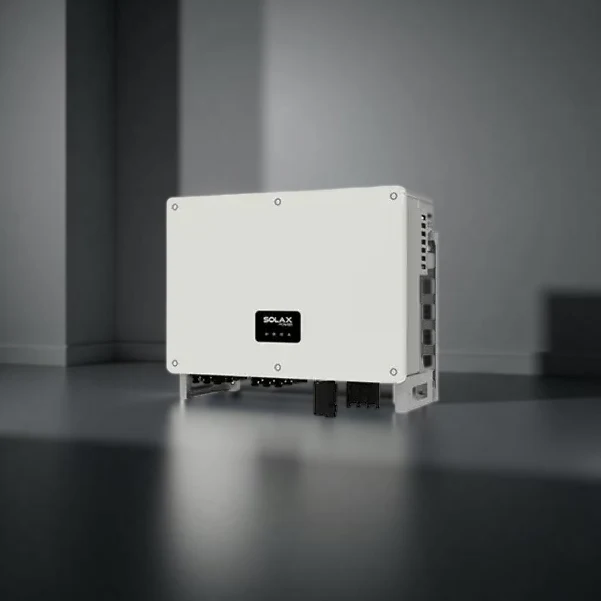
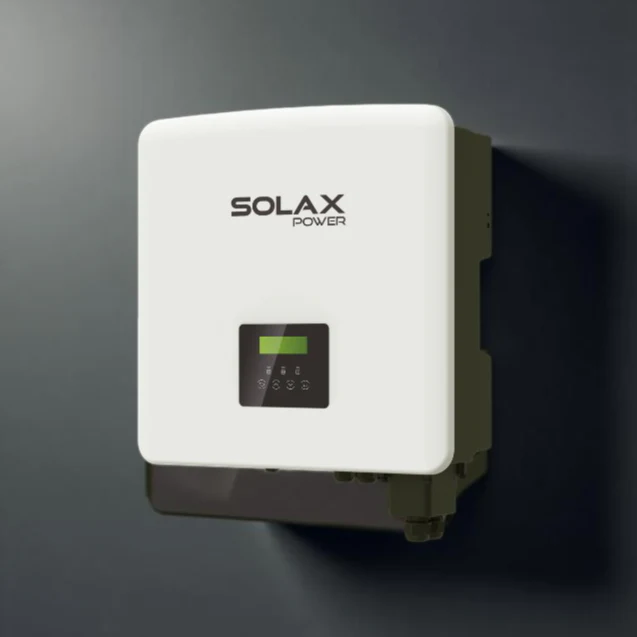
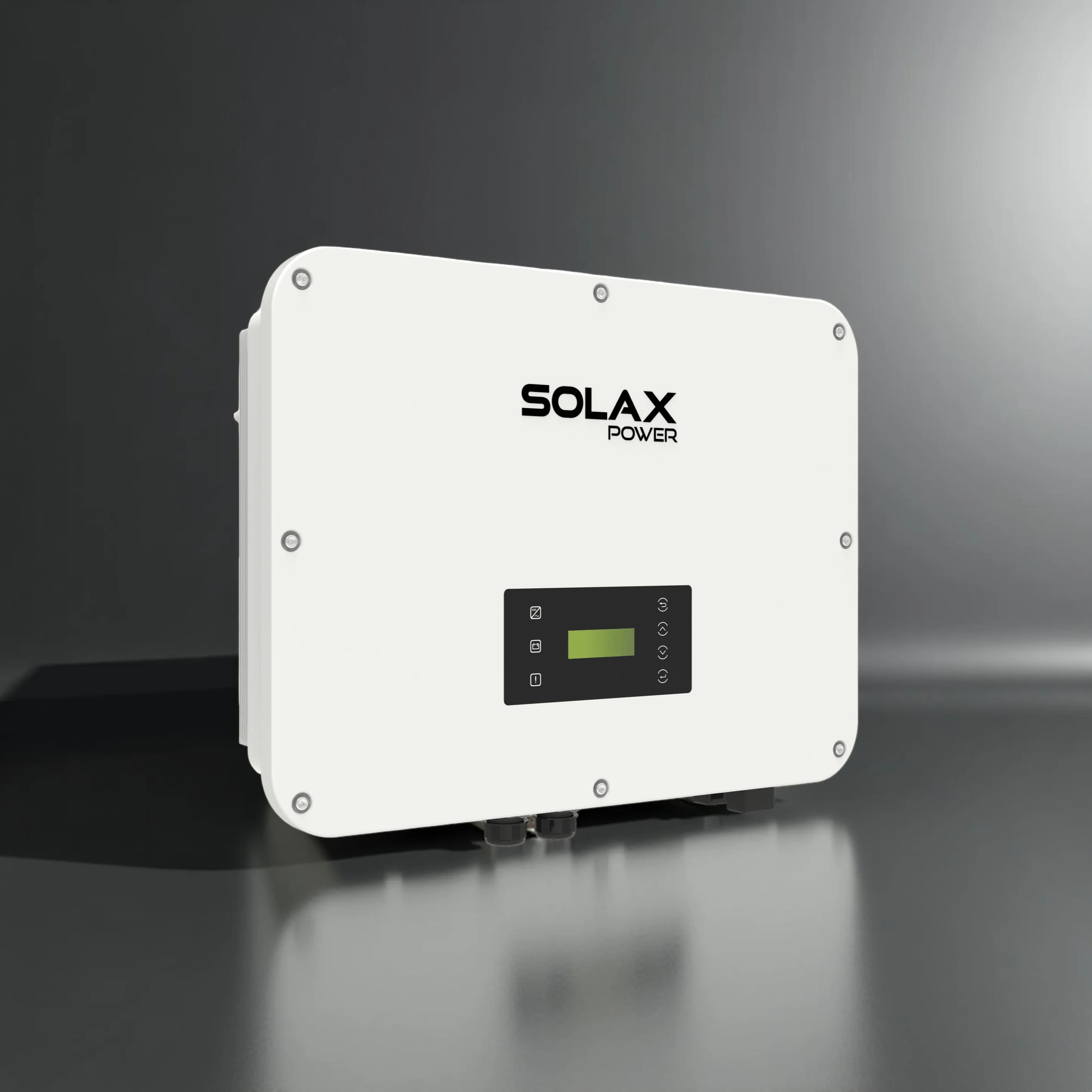
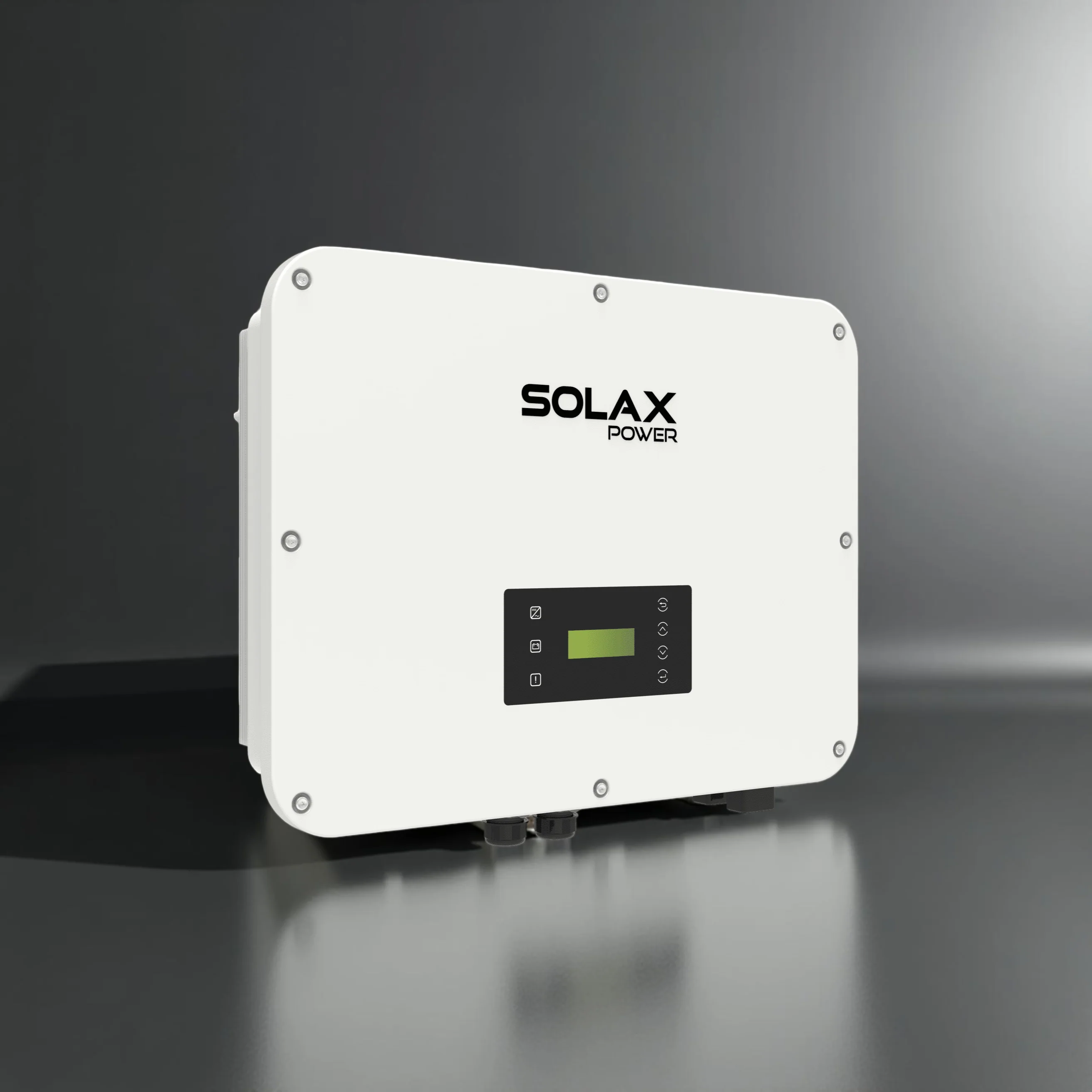
Solis S6 5kW Single Phase Low Voltage Hybrid Inverter with Dual MPPT, EH1P5K-L-PLUS
HomeStore

Solis S6 5kW Single Phase Low Voltage Hybrid Inverter with Dual MPPT, EH1P5K-L-PLUS

Solis S6 5kW Single Phase Low Voltage Hybrid Inverter with Dual MPPT, EH1P5K-L-PLUS

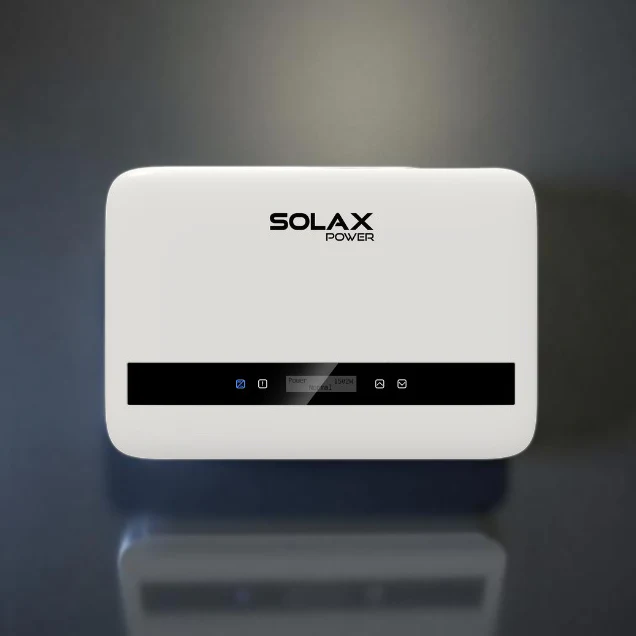
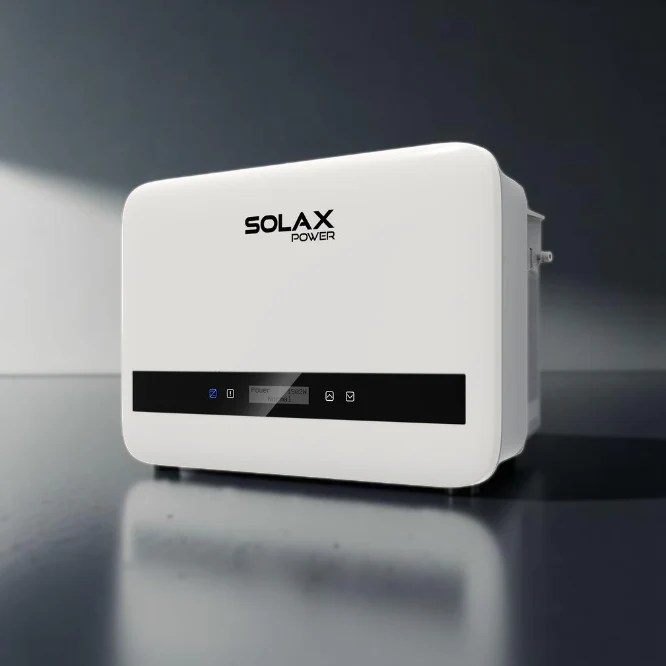
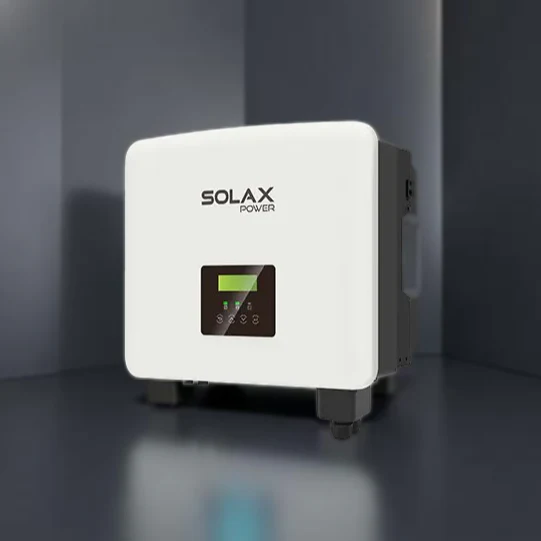
The Solis S6-EH1P5K-L-PLUS is a 5 kW single-phase, low-voltage hybrid energy storage inverter from Ginlong Technologies' upgraded PLUS series — engineered for residential solar-plus-storage installations that demand high backup power, fast UPS switchover and flexible system expansion. Pairing two independent MPPT trackers with a 40–60 V battery interface, the S6 hybrid manages up to 10 kW of PV input, charges and discharges the battery at up to 112 A, and delivers 200% overload for 10 seconds in backup mode — comfortably starting motors, pumps and air conditioners.

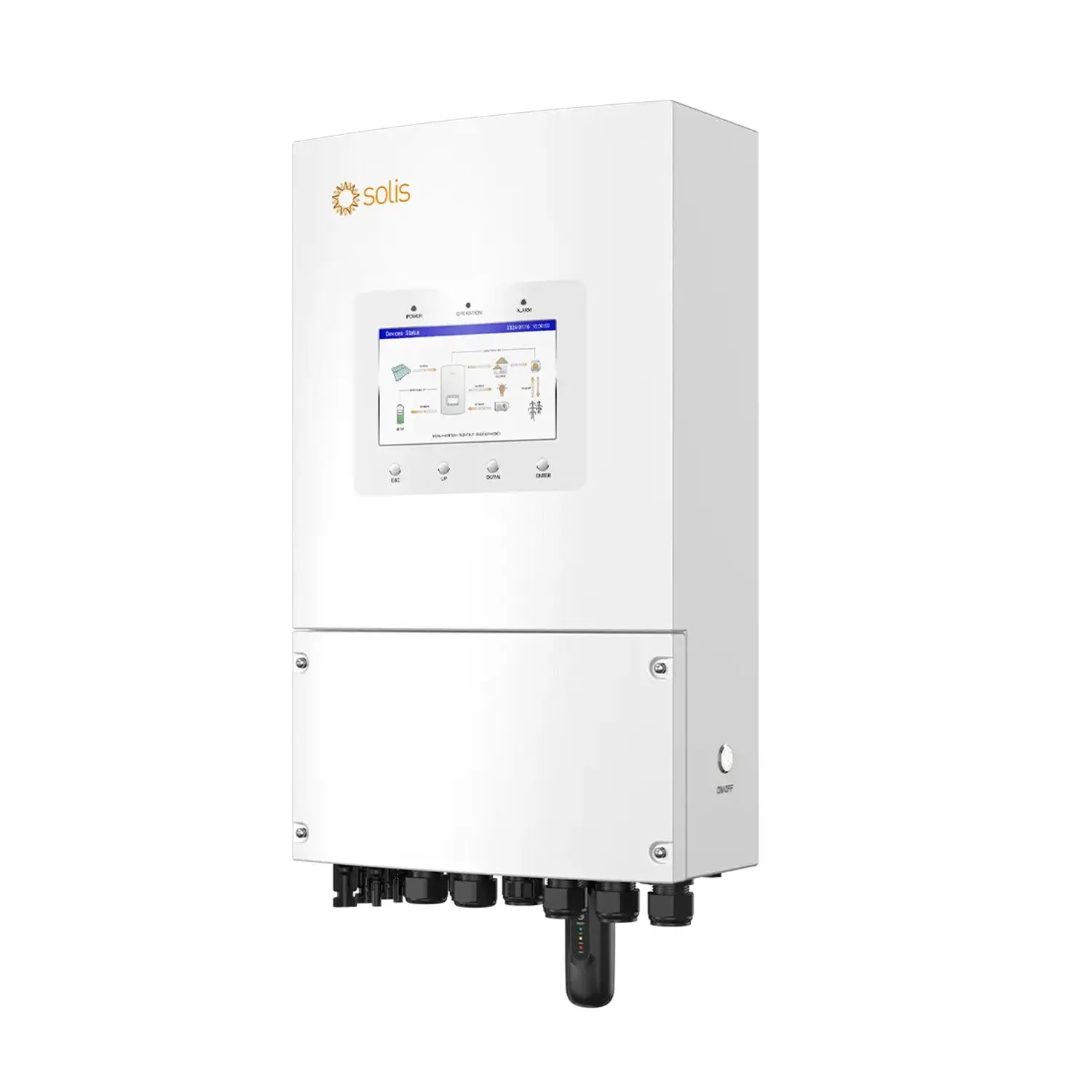
A 7-inch industrial-grade LCD touchscreen, built-in Bluetooth + SolisCloud monitoring, optional AFCI 2.0 arc-fault detection, an IP66 enclosure and a −40 °C to +60 °C operating range make this a future-proof choice for both new installations and storage retrofits onto existing PV.

5 kW
Rated AC output (grid & backup)
96.2%
Peak efficiency · 96.1% EU
< 4 ms
Grid-to-backup switchover
10 kW
Recommended max PV array
What the 'PLUS' upgrade brings
The PLUS series adds generator compatibility with automatic on/off control, dual backup ports for intelligent management of critical and non-critical loads, multi-inverter parallel operation to scale up to a 48 kW system in single- or three-phase configurations, and a 1.6 DC/AC oversizing ratio — letting you fit an 8 kW usable PV array behind this 5 kW inverter for stronger early-morning and late-evening generation.
Built for demanding residential power scenarios
200% overload for 10 seconds
In backup mode the inverter delivers 10 kW for 10 seconds — enough to handle the inrush from motors, water pumps, fridges, washing machines and air conditioner compressors without nuisance trips.
Sub-4 ms UPS switchover, dual backup
A grid-to-backup transition of under 4 milliseconds keeps computers, alarm systems and routers running through power cuts. Two backup ports let you separately prioritise essential circuits over heavier loads during prolonged outages.
Two MPPTs, 90–435 V tracking range
Two independent maximum power point trackers each accept up to 16 A of input current, with a wide 90–435 V MPPT operating window. Roof orientations, partial shading and mismatched string lengths are tolerated cleanly.
7-inch touchscreen + SolisCloud app
A 7-inch industrial-grade colour LCD on the front panel handles local commissioning, while built-in Bluetooth and SolisCloud deliver remote monitoring, AI-driven optimisation and over-the-air firmware updates from a phone or PC.
6-stage time-of-use scheduling
A 6-stage time-of-use charge/discharge schedule lets the system charge from cheap off-peak grid energy and discharge during peak tariffs — ideal for Octopus Agile, Cosy and Go tariffs, and ready for VPP and EMS integration.
Generator-compatible & parallel-ready
An independent generator interface with automatic on/off control extends backup runtime indefinitely. Parallel operation with additional S6 inverters lets the system grow to a 48 kW single- or three-phase microgrid.
Solar input and battery interface

On the DC side, the inverter accepts up to 500 V open-circuit PV voltage across two MPPT channels with one string each — recommended PV array up to 10 kW, max usable input 8 kW, giving a 1.6× DC/AC ratio that lifts low-light yield without clipping summer output. MC4 connectors on the PV side and screw terminals on the battery side keep field termination quick. The battery interface supports both lithium-ion and lead-acid chemistries in a 40–60 V nominal range over CAN or RS485, with 112 A peak charge and discharge current — fast enough to fully exploit a 5 kWh battery in roughly an hour. Compatible 48 V batteries include the Pylontech US/UP series, Dyness Powerbox, BYD B-Box LV, Weco and other CAN-protocol packs on the Solis approved list.

Backup power and UPS performance

In backup mode the inverter delivers a clean 230 V single-phase L/N/PE output at up to 22.8 A continuous, with THDv below 2% on linear loads — clean enough for sensitive electronics. The 200% overload allowance for 10 seconds covers the brief inrush of motor-driven appliances, and the 40 A AC passthrough handles loads larger than the inverter's own output when the grid is present. Two independent backup ports let the installer wire critical circuits (lighting, fridge, broadband, boiler controls) separately from discretionary loads (oven, EV charger, A/C) — the inverter automatically sheds the discretionary loads first if battery state of charge drops, extending essential-load runtime during prolonged outages.

Full technical specification
Solis S6-EH1P5K-L-PLUS specifications
PV input (DC)
Recommended PV array / max usable input 10 kW / 8 kW (1.6× ratio)
Max input voltage / start-up 500 V / 90 V
MPPT voltage range 90 – 435 V
MPPTs / strings 2 / 2
Max input current per MPPT (Isc) 16 A (20 A short-circuit)
DC connection MC4
Battery
Battery type / voltage range Li-ion or lead-acid · 40 – 60 V
Max charge / discharge power 5 kW
Max charge / discharge current 112 A
Battery communication CAN / RS485
Battery connection Terminal block
Grid output (AC)
Rated output power / apparent power 5 kW / 5 kVA
Operation phase / voltage / frequency Single-phase L/N/PE · 230 V / 50 Hz
Max grid output current 22.8 A (230 V)
Max AC input current 32 A
Power factor / THDi > 0.99 (0.8 lead – 0.8 lag) · < 2%
Backup output
Rated backup output / peak 5 kW · 10 kW for 10 s (200% overload)
Backup switch time < 4 ms
Max AC passthrough current 40 A
Backup port architecture Dual port — critical & non-critical
Efficiency
Max efficiency / EU efficiency 96.2% / 96.1%
Battery charged by PV / AC 95.3% / 93.9%
Battery discharged to AC 93.8%
Mechanical & environmental
Dimensions (W × H × D) 335 × 560 × 253 mm
Weight 23 kg
Cooling / ingress protection Natural convection · IP66
Operating temperature / max altitude −40 °C to +60 °C · 3000 m
Display & communication 7.0" LCD · Bluetooth · RS485 · CAN · Wi-Fi/GPRS/LAN (optional)
Protection Ground-fault · DC reverse-polarity · AFCI 2.0 (optional)
Compliance IEC/EN 62109-1/-2 · EN 61000-6-2/-3 · IEC 62116 · IEC 61727 · EN 50530
Installation & DNO requirements
Installation must be carried out by an MCS-accredited or equivalent qualified installer. UK grid connection requires a G99 application (or G98 notification for systems within scope) to your DNO before commissioning. The system must be installed in line with BS 7671, the manufacturer's installation manual, and any applicable battery installation standards (PAS 63100, IET Code of Practice for Electrical Energy Storage Systems). Battery selection must match the inverter's 40–60 V window and CAN/RS485 communication protocol — check the Solis approved-battery list before specifying.
Frequently asked questions
What's the difference between the L-PLUS and the standard S6-EH1P5K?
The PLUS upgrade brings significant capability gains over the original L-series: generator integration with auto on/off, dual backup ports for separately controlling critical and non-critical loads, multi-inverter parallel operation up to 48 kW (single- or three-phase), the larger 7-inch industrial-grade touchscreen, and a higher 1.6 DC/AC oversizing ratio. The L-PLUS is the right pick if you want robust whole-home backup, future expansion or hybrid generator/grid resilience.
Which batteries are compatible with this inverter?
Any 48 V (40–60 V nominal) lithium-ion or lead-acid battery with CAN or RS485 BMS communication that appears on the Solis approved battery compatibility list. Common choices in the UK include the Pylontech US3000C, US5000B and UP5000, Dyness Powerbox/Powerdepot, BYD B-Box LV and Weco 5K3 modules. Always verify the latest revision of the Solis battery compatibility document for your specific model and firmware.
Can I use this inverter with cheaper time-of-use tariffs like Octopus Agile or Cosy?
Yes — the inverter has a 6-stage time-of-use schedule for charge/discharge that's well suited to Octopus Agile, Cosy, Go and Flux tariffs. You can program the system to charge from cheap overnight grid energy and discharge during peak hours, or prioritise PV self-consumption during the day. Smart-tariff scheduling is configured directly in the SolisCloud app, and SolisCloud's AI optimisation can adjust schedules dynamically as your usage and tariff data change.
How much PV can I connect to this 5 kW inverter?
The inverter is rated for a recommended PV array of up to 10 kW with a maximum usable input of 8 kW — a 1.6× DC/AC oversizing ratio. Oversizing is industry-standard practice in the UK because real-world PV output rarely reaches nameplate, so a larger array improves total annual yield (especially in shoulder seasons and on overcast days) without significantly increasing summer clipping. Each MPPT accepts up to 16 A of input current (20 A short-circuit) across two strings.
Will it keep my home running through a power cut?
Yes — the S6 PLUS is a grid-forming hybrid inverter with full UPS-quality backup. It transfers from grid to battery in under 4 milliseconds, so computers, broadband and alarms keep running without rebooting. The dual backup ports let you wire critical circuits (lighting, fridge, boiler controls) and discretionary circuits (oven, EV charger) separately, so the inverter can shed heavier loads first if battery state of charge drops. Backup duration depends on battery capacity and load — a single 5 kWh battery will run a 500 W base load for around 8–10 hours.
$483.25

Original: $1,380.71

-65%
Solis S6 5kW Single Phase Low Voltage Hybrid Inverter with Dual MPPT, EH1P5K-L-PLUS

$1,380.71

$483.25

More Images

Solis S6 5kW Single Phase Low Voltage Hybrid Inverter with Dual MPPT, EH1P5K-L-PLUS - Image 2
Solis S6 5kW Single Phase Low Voltage Hybrid Inverter with Dual MPPT, EH1P5K-L-PLUS - Image 3

Solis S6 5kW Single Phase Low Voltage Hybrid Inverter with Dual MPPT, EH1P5K-L-PLUS

The Solis S6-EH1P5K-L-PLUS is a 5 kW single-phase, low-voltage hybrid energy storage inverter from Ginlong Technologies' upgraded PLUS series — engineered for residential solar-plus-storage installations that demand high backup power, fast UPS switchover and flexible system expansion. Pairing two independent MPPT trackers with a 40–60 V battery interface, the S6 hybrid manages up to 10 kW of PV input, charges and discharges the battery at up to 112 A, and delivers 200% overload for 10 seconds in backup mode — comfortably starting motors, pumps and air conditioners.

A 7-inch industrial-grade LCD touchscreen, built-in Bluetooth + SolisCloud monitoring, optional AFCI 2.0 arc-fault detection, an IP66 enclosure and a −40 °C to +60 °C operating range make this a future-proof choice for both new installations and storage retrofits onto existing PV.

5 kW
Rated AC output (grid & backup)
96.2%
Peak efficiency · 96.1% EU
< 4 ms
Grid-to-backup switchover
10 kW
Recommended max PV array
What the 'PLUS' upgrade brings
The PLUS series adds generator compatibility with automatic on/off control, dual backup ports for intelligent management of critical and non-critical loads, multi-inverter parallel operation to scale up to a 48 kW system in single- or three-phase configurations, and a 1.6 DC/AC oversizing ratio — letting you fit an 8 kW usable PV array behind this 5 kW inverter for stronger early-morning and late-evening generation.
Built for demanding residential power scenarios
200% overload for 10 seconds
In backup mode the inverter delivers 10 kW for 10 seconds — enough to handle the inrush from motors, water pumps, fridges, washing machines and air conditioner compressors without nuisance trips.
Sub-4 ms UPS switchover, dual backup
A grid-to-backup transition of under 4 milliseconds keeps computers, alarm systems and routers running through power cuts. Two backup ports let you separately prioritise essential circuits over heavier loads during prolonged outages.
Two MPPTs, 90–435 V tracking range
Two independent maximum power point trackers each accept up to 16 A of input current, with a wide 90–435 V MPPT operating window. Roof orientations, partial shading and mismatched string lengths are tolerated cleanly.
7-inch touchscreen + SolisCloud app
A 7-inch industrial-grade colour LCD on the front panel handles local commissioning, while built-in Bluetooth and SolisCloud deliver remote monitoring, AI-driven optimisation and over-the-air firmware updates from a phone or PC.
6-stage time-of-use scheduling
A 6-stage time-of-use charge/discharge schedule lets the system charge from cheap off-peak grid energy and discharge during peak tariffs — ideal for Octopus Agile, Cosy and Go tariffs, and ready for VPP and EMS integration.
Generator-compatible & parallel-ready
An independent generator interface with automatic on/off control extends backup runtime indefinitely. Parallel operation with additional S6 inverters lets the system grow to a 48 kW single- or three-phase microgrid.
Solar input and battery interface

On the DC side, the inverter accepts up to 500 V open-circuit PV voltage across two MPPT channels with one string each — recommended PV array up to 10 kW, max usable input 8 kW, giving a 1.6× DC/AC ratio that lifts low-light yield without clipping summer output. MC4 connectors on the PV side and screw terminals on the battery side keep field termination quick. The battery interface supports both lithium-ion and lead-acid chemistries in a 40–60 V nominal range over CAN or RS485, with 112 A peak charge and discharge current — fast enough to fully exploit a 5 kWh battery in roughly an hour. Compatible 48 V batteries include the Pylontech US/UP series, Dyness Powerbox, BYD B-Box LV, Weco and other CAN-protocol packs on the Solis approved list.

Backup power and UPS performance

In backup mode the inverter delivers a clean 230 V single-phase L/N/PE output at up to 22.8 A continuous, with THDv below 2% on linear loads — clean enough for sensitive electronics. The 200% overload allowance for 10 seconds covers the brief inrush of motor-driven appliances, and the 40 A AC passthrough handles loads larger than the inverter's own output when the grid is present. Two independent backup ports let the installer wire critical circuits (lighting, fridge, broadband, boiler controls) separately from discretionary loads (oven, EV charger, A/C) — the inverter automatically sheds the discretionary loads first if battery state of charge drops, extending essential-load runtime during prolonged outages.

Full technical specification
Solis S6-EH1P5K-L-PLUS specifications
PV input (DC)
Recommended PV array / max usable input 10 kW / 8 kW (1.6× ratio)
Max input voltage / start-up 500 V / 90 V
MPPT voltage range 90 – 435 V
MPPTs / strings 2 / 2
Max input current per MPPT (Isc) 16 A (20 A short-circuit)
DC connection MC4
Battery
Battery type / voltage range Li-ion or lead-acid · 40 – 60 V
Max charge / discharge power 5 kW
Max charge / discharge current 112 A
Battery communication CAN / RS485
Battery connection Terminal block
Grid output (AC)
Rated output power / apparent power 5 kW / 5 kVA
Operation phase / voltage / frequency Single-phase L/N/PE · 230 V / 50 Hz
Max grid output current 22.8 A (230 V)
Max AC input current 32 A
Power factor / THDi > 0.99 (0.8 lead – 0.8 lag) · < 2%
Backup output
Rated backup output / peak 5 kW · 10 kW for 10 s (200% overload)
Backup switch time < 4 ms
Max AC passthrough current 40 A
Backup port architecture Dual port — critical & non-critical
Efficiency
Max efficiency / EU efficiency 96.2% / 96.1%
Battery charged by PV / AC 95.3% / 93.9%
Battery discharged to AC 93.8%
Mechanical & environmental
Dimensions (W × H × D) 335 × 560 × 253 mm
Weight 23 kg
Cooling / ingress protection Natural convection · IP66
Operating temperature / max altitude −40 °C to +60 °C · 3000 m
Display & communication 7.0" LCD · Bluetooth · RS485 · CAN · Wi-Fi/GPRS/LAN (optional)
Protection Ground-fault · DC reverse-polarity · AFCI 2.0 (optional)
Compliance IEC/EN 62109-1/-2 · EN 61000-6-2/-3 · IEC 62116 · IEC 61727 · EN 50530
Installation & DNO requirements
Installation must be carried out by an MCS-accredited or equivalent qualified installer. UK grid connection requires a G99 application (or G98 notification for systems within scope) to your DNO before commissioning. The system must be installed in line with BS 7671, the manufacturer's installation manual, and any applicable battery installation standards (PAS 63100, IET Code of Practice for Electrical Energy Storage Systems). Battery selection must match the inverter's 40–60 V window and CAN/RS485 communication protocol — check the Solis approved-battery list before specifying.
Frequently asked questions
What's the difference between the L-PLUS and the standard S6-EH1P5K?
The PLUS upgrade brings significant capability gains over the original L-series: generator integration with auto on/off, dual backup ports for separately controlling critical and non-critical loads, multi-inverter parallel operation up to 48 kW (single- or three-phase), the larger 7-inch industrial-grade touchscreen, and a higher 1.6 DC/AC oversizing ratio. The L-PLUS is the right pick if you want robust whole-home backup, future expansion or hybrid generator/grid resilience.
Which batteries are compatible with this inverter?
Any 48 V (40–60 V nominal) lithium-ion or lead-acid battery with CAN or RS485 BMS communication that appears on the Solis approved battery compatibility list. Common choices in the UK include the Pylontech US3000C, US5000B and UP5000, Dyness Powerbox/Powerdepot, BYD B-Box LV and Weco 5K3 modules. Always verify the latest revision of the Solis battery compatibility document for your specific model and firmware.
Can I use this inverter with cheaper time-of-use tariffs like Octopus Agile or Cosy?
Yes — the inverter has a 6-stage time-of-use schedule for charge/discharge that's well suited to Octopus Agile, Cosy, Go and Flux tariffs. You can program the system to charge from cheap overnight grid energy and discharge during peak hours, or prioritise PV self-consumption during the day. Smart-tariff scheduling is configured directly in the SolisCloud app, and SolisCloud's AI optimisation can adjust schedules dynamically as your usage and tariff data change.
How much PV can I connect to this 5 kW inverter?
The inverter is rated for a recommended PV array of up to 10 kW with a maximum usable input of 8 kW — a 1.6× DC/AC oversizing ratio. Oversizing is industry-standard practice in the UK because real-world PV output rarely reaches nameplate, so a larger array improves total annual yield (especially in shoulder seasons and on overcast days) without significantly increasing summer clipping. Each MPPT accepts up to 16 A of input current (20 A short-circuit) across two strings.
Will it keep my home running through a power cut?
Yes — the S6 PLUS is a grid-forming hybrid inverter with full UPS-quality backup. It transfers from grid to battery in under 4 milliseconds, so computers, broadband and alarms keep running without rebooting. The dual backup ports let you wire critical circuits (lighting, fridge, boiler controls) and discretionary circuits (oven, EV charger) separately, so the inverter can shed heavier loads first if battery state of charge drops. Backup duration depends on battery capacity and load — a single 5 kWh battery will run a 500 W base load for around 8–10 hours.

Product Information

Shipping & Returns

Description

The Solis S6-EH1P5K-L-PLUS is a 5 kW single-phase, low-voltage hybrid energy storage inverter from Ginlong Technologies' upgraded PLUS series — engineered for residential solar-plus-storage installations that demand high backup power, fast UPS switchover and flexible system expansion. Pairing two independent MPPT trackers with a 40–60 V battery interface, the S6 hybrid manages up to 10 kW of PV input, charges and discharges the battery at up to 112 A, and delivers 200% overload for 10 seconds in backup mode — comfortably starting motors, pumps and air conditioners.

A 7-inch industrial-grade LCD touchscreen, built-in Bluetooth + SolisCloud monitoring, optional AFCI 2.0 arc-fault detection, an IP66 enclosure and a −40 °C to +60 °C operating range make this a future-proof choice for both new installations and storage retrofits onto existing PV.

5 kW
Rated AC output (grid & backup)
96.2%
Peak efficiency · 96.1% EU
< 4 ms
Grid-to-backup switchover
10 kW
Recommended max PV array
What the 'PLUS' upgrade brings
The PLUS series adds generator compatibility with automatic on/off control, dual backup ports for intelligent management of critical and non-critical loads, multi-inverter parallel operation to scale up to a 48 kW system in single- or three-phase configurations, and a 1.6 DC/AC oversizing ratio — letting you fit an 8 kW usable PV array behind this 5 kW inverter for stronger early-morning and late-evening generation.
Built for demanding residential power scenarios
200% overload for 10 seconds
In backup mode the inverter delivers 10 kW for 10 seconds — enough to handle the inrush from motors, water pumps, fridges, washing machines and air conditioner compressors without nuisance trips.
Sub-4 ms UPS switchover, dual backup
A grid-to-backup transition of under 4 milliseconds keeps computers, alarm systems and routers running through power cuts. Two backup ports let you separately prioritise essential circuits over heavier loads during prolonged outages.
Two MPPTs, 90–435 V tracking range
Two independent maximum power point trackers each accept up to 16 A of input current, with a wide 90–435 V MPPT operating window. Roof orientations, partial shading and mismatched string lengths are tolerated cleanly.
7-inch touchscreen + SolisCloud app
A 7-inch industrial-grade colour LCD on the front panel handles local commissioning, while built-in Bluetooth and SolisCloud deliver remote monitoring, AI-driven optimisation and over-the-air firmware updates from a phone or PC.
6-stage time-of-use scheduling
A 6-stage time-of-use charge/discharge schedule lets the system charge from cheap off-peak grid energy and discharge during peak tariffs — ideal for Octopus Agile, Cosy and Go tariffs, and ready for VPP and EMS integration.
Generator-compatible & parallel-ready
An independent generator interface with automatic on/off control extends backup runtime indefinitely. Parallel operation with additional S6 inverters lets the system grow to a 48 kW single- or three-phase microgrid.
Solar input and battery interface

On the DC side, the inverter accepts up to 500 V open-circuit PV voltage across two MPPT channels with one string each — recommended PV array up to 10 kW, max usable input 8 kW, giving a 1.6× DC/AC ratio that lifts low-light yield without clipping summer output. MC4 connectors on the PV side and screw terminals on the battery side keep field termination quick. The battery interface supports both lithium-ion and lead-acid chemistries in a 40–60 V nominal range over CAN or RS485, with 112 A peak charge and discharge current — fast enough to fully exploit a 5 kWh battery in roughly an hour. Compatible 48 V batteries include the Pylontech US/UP series, Dyness Powerbox, BYD B-Box LV, Weco and other CAN-protocol packs on the Solis approved list.

Backup power and UPS performance

In backup mode the inverter delivers a clean 230 V single-phase L/N/PE output at up to 22.8 A continuous, with THDv below 2% on linear loads — clean enough for sensitive electronics. The 200% overload allowance for 10 seconds covers the brief inrush of motor-driven appliances, and the 40 A AC passthrough handles loads larger than the inverter's own output when the grid is present. Two independent backup ports let the installer wire critical circuits (lighting, fridge, broadband, boiler controls) separately from discretionary loads (oven, EV charger, A/C) — the inverter automatically sheds the discretionary loads first if battery state of charge drops, extending essential-load runtime during prolonged outages.

Full technical specification
Solis S6-EH1P5K-L-PLUS specifications
PV input (DC)
Recommended PV array / max usable input 10 kW / 8 kW (1.6× ratio)
Max input voltage / start-up 500 V / 90 V
MPPT voltage range 90 – 435 V
MPPTs / strings 2 / 2
Max input current per MPPT (Isc) 16 A (20 A short-circuit)
DC connection MC4
Battery
Battery type / voltage range Li-ion or lead-acid · 40 – 60 V
Max charge / discharge power 5 kW
Max charge / discharge current 112 A
Battery communication CAN / RS485
Battery connection Terminal block
Grid output (AC)
Rated output power / apparent power 5 kW / 5 kVA
Operation phase / voltage / frequency Single-phase L/N/PE · 230 V / 50 Hz
Max grid output current 22.8 A (230 V)
Max AC input current 32 A
Power factor / THDi > 0.99 (0.8 lead – 0.8 lag) · < 2%
Backup output
Rated backup output / peak 5 kW · 10 kW for 10 s (200% overload)
Backup switch time < 4 ms
Max AC passthrough current 40 A
Backup port architecture Dual port — critical & non-critical
Efficiency
Max efficiency / EU efficiency 96.2% / 96.1%
Battery charged by PV / AC 95.3% / 93.9%
Battery discharged to AC 93.8%
Mechanical & environmental
Dimensions (W × H × D) 335 × 560 × 253 mm
Weight 23 kg
Cooling / ingress protection Natural convection · IP66
Operating temperature / max altitude −40 °C to +60 °C · 3000 m
Display & communication 7.0" LCD · Bluetooth · RS485 · CAN · Wi-Fi/GPRS/LAN (optional)
Protection Ground-fault · DC reverse-polarity · AFCI 2.0 (optional)
Compliance IEC/EN 62109-1/-2 · EN 61000-6-2/-3 · IEC 62116 · IEC 61727 · EN 50530
Installation & DNO requirements
Installation must be carried out by an MCS-accredited or equivalent qualified installer. UK grid connection requires a G99 application (or G98 notification for systems within scope) to your DNO before commissioning. The system must be installed in line with BS 7671, the manufacturer's installation manual, and any applicable battery installation standards (PAS 63100, IET Code of Practice for Electrical Energy Storage Systems). Battery selection must match the inverter's 40–60 V window and CAN/RS485 communication protocol — check the Solis approved-battery list before specifying.
Frequently asked questions
What's the difference between the L-PLUS and the standard S6-EH1P5K?
The PLUS upgrade brings significant capability gains over the original L-series: generator integration with auto on/off, dual backup ports for separately controlling critical and non-critical loads, multi-inverter parallel operation up to 48 kW (single- or three-phase), the larger 7-inch industrial-grade touchscreen, and a higher 1.6 DC/AC oversizing ratio. The L-PLUS is the right pick if you want robust whole-home backup, future expansion or hybrid generator/grid resilience.
Which batteries are compatible with this inverter?
Any 48 V (40–60 V nominal) lithium-ion or lead-acid battery with CAN or RS485 BMS communication that appears on the Solis approved battery compatibility list. Common choices in the UK include the Pylontech US3000C, US5000B and UP5000, Dyness Powerbox/Powerdepot, BYD B-Box LV and Weco 5K3 modules. Always verify the latest revision of the Solis battery compatibility document for your specific model and firmware.
Can I use this inverter with cheaper time-of-use tariffs like Octopus Agile or Cosy?
Yes — the inverter has a 6-stage time-of-use schedule for charge/discharge that's well suited to Octopus Agile, Cosy, Go and Flux tariffs. You can program the system to charge from cheap overnight grid energy and discharge during peak hours, or prioritise PV self-consumption during the day. Smart-tariff scheduling is configured directly in the SolisCloud app, and SolisCloud's AI optimisation can adjust schedules dynamically as your usage and tariff data change.
How much PV can I connect to this 5 kW inverter?
The inverter is rated for a recommended PV array of up to 10 kW with a maximum usable input of 8 kW — a 1.6× DC/AC oversizing ratio. Oversizing is industry-standard practice in the UK because real-world PV output rarely reaches nameplate, so a larger array improves total annual yield (especially in shoulder seasons and on overcast days) without significantly increasing summer clipping. Each MPPT accepts up to 16 A of input current (20 A short-circuit) across two strings.
Will it keep my home running through a power cut?
Yes — the S6 PLUS is a grid-forming hybrid inverter with full UPS-quality backup. It transfers from grid to battery in under 4 milliseconds, so computers, broadband and alarms keep running without rebooting. The dual backup ports let you wire critical circuits (lighting, fridge, boiler controls) and discretionary circuits (oven, EV charger) separately, so the inverter can shed heavier loads first if battery state of charge drops. Backup duration depends on battery capacity and load — a single 5 kWh battery will run a 500 W base load for around 8–10 hours.