✨ New Arrivals Just Dropped!Explore
Solis Energy Storage 6kW 5G Hybrid Inverter with DC Switch
HomeStore

Solis Energy Storage 6kW 5G Hybrid Inverter with DC Switch

Solis Energy Storage 6kW 5G Hybrid Inverter with DC Switch

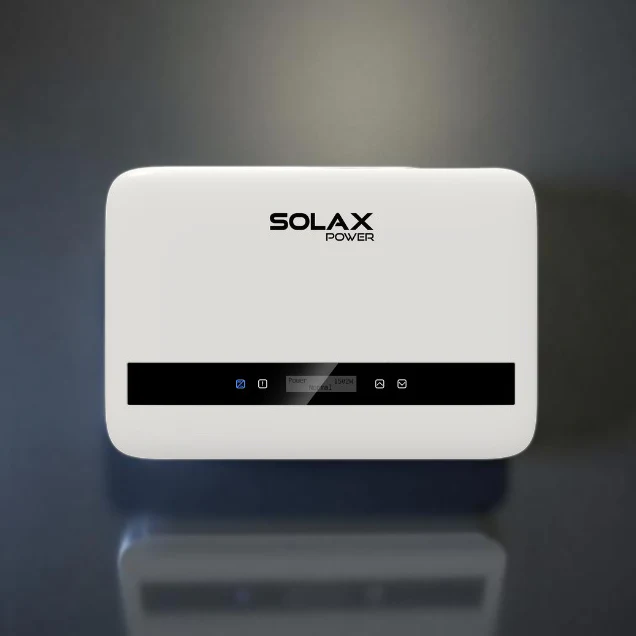
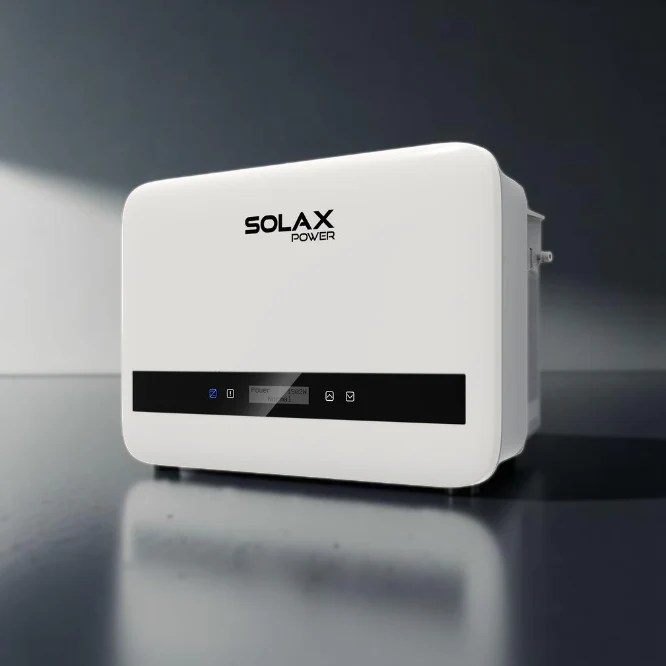
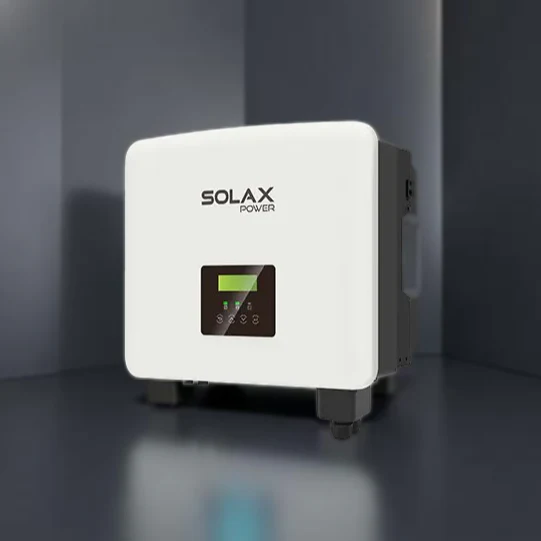
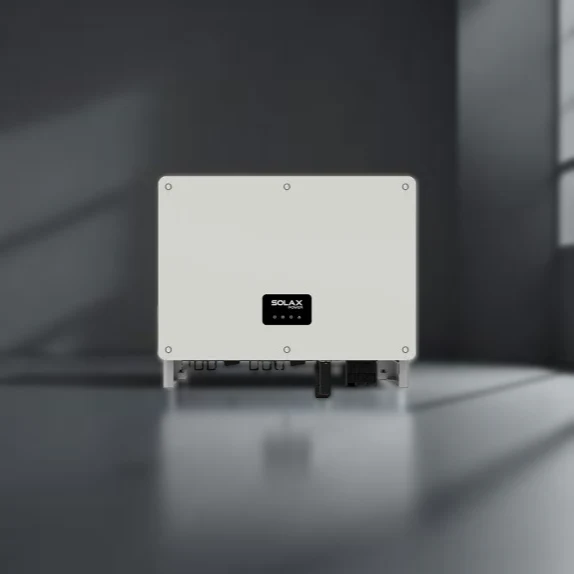
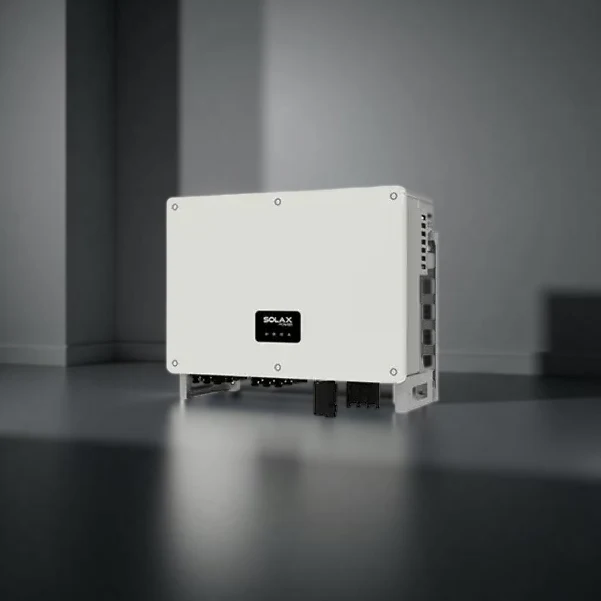
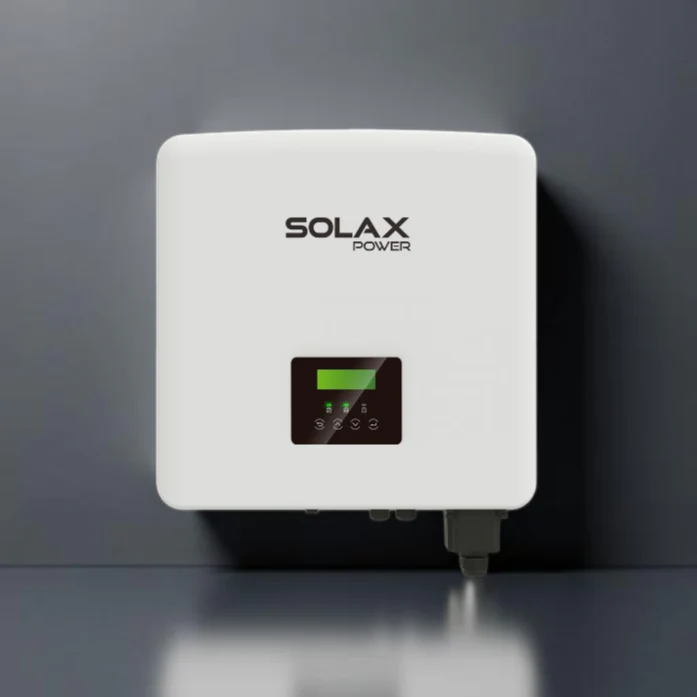
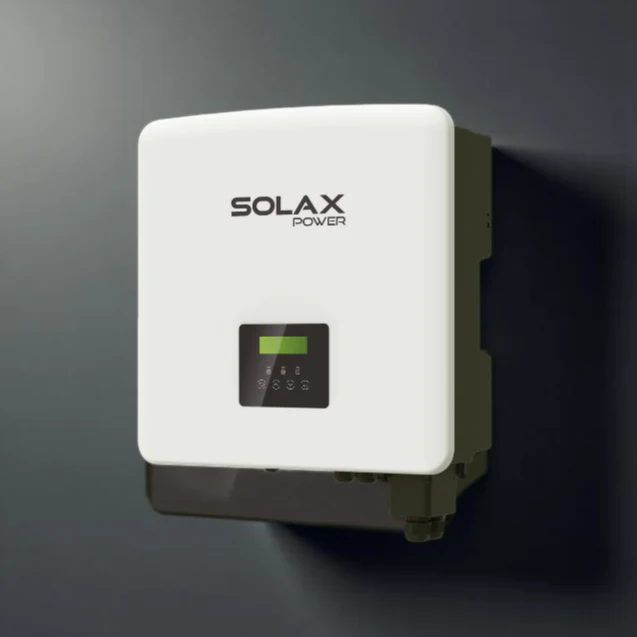
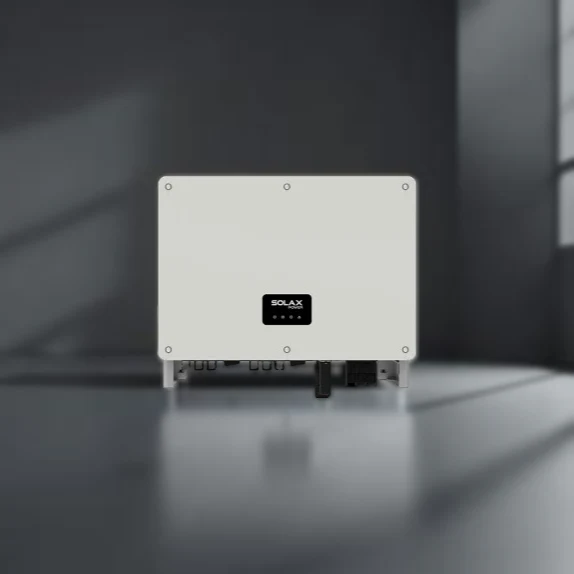
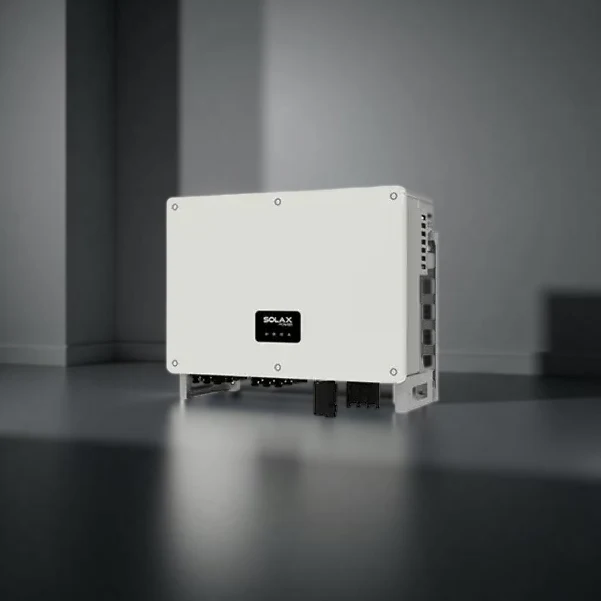
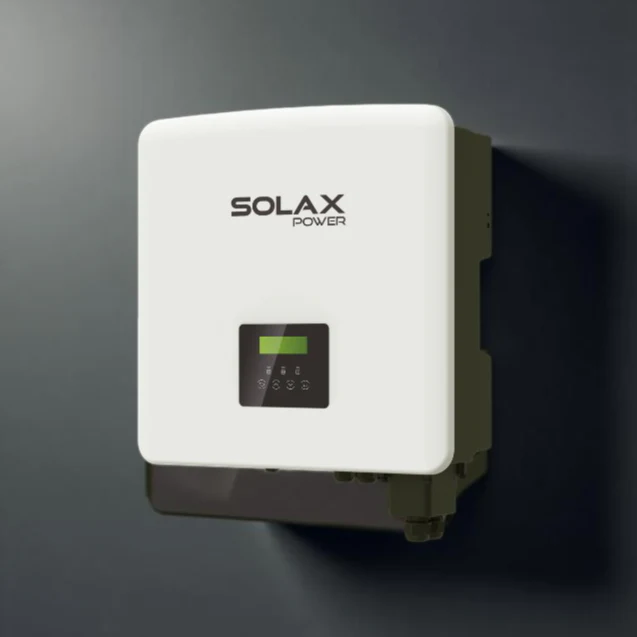
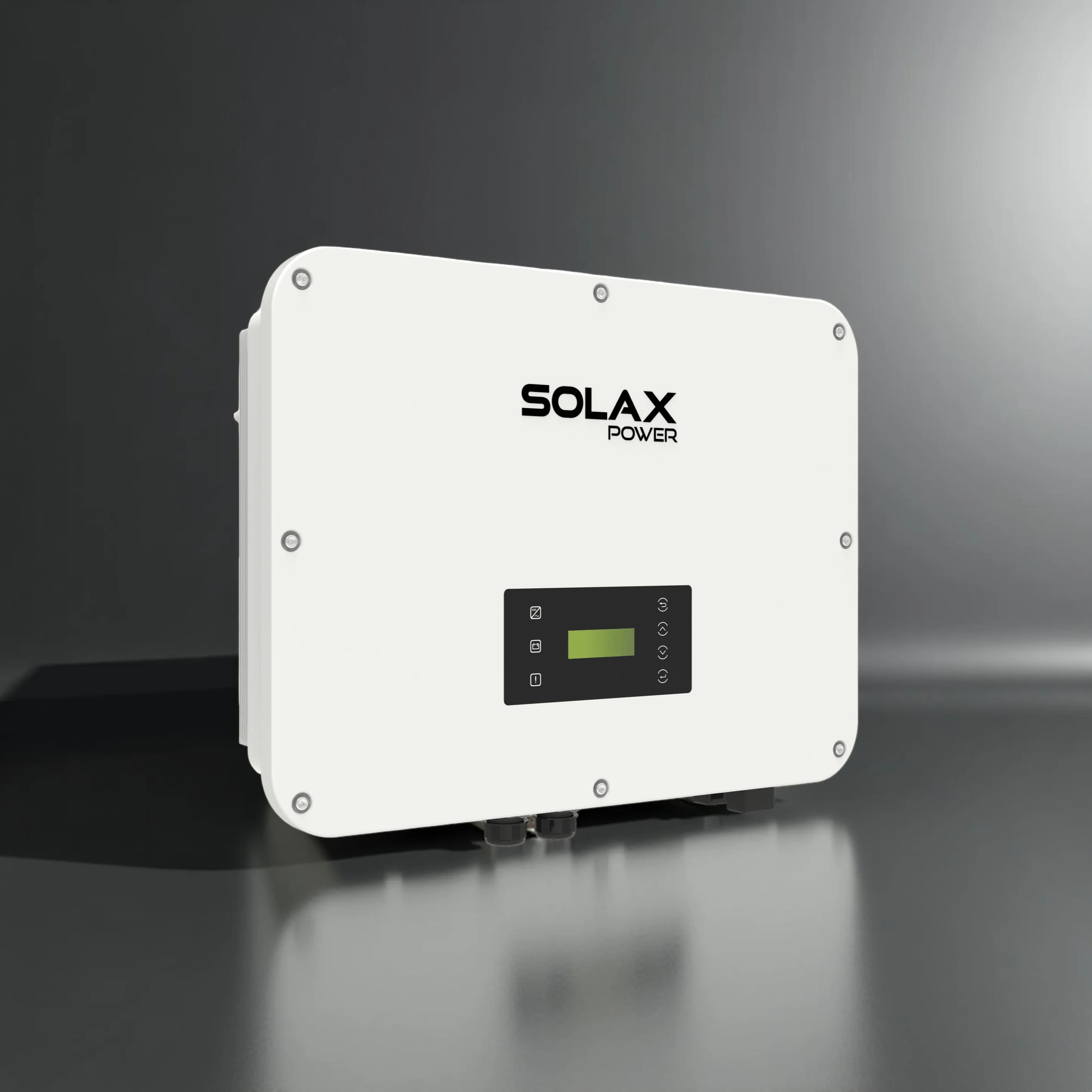
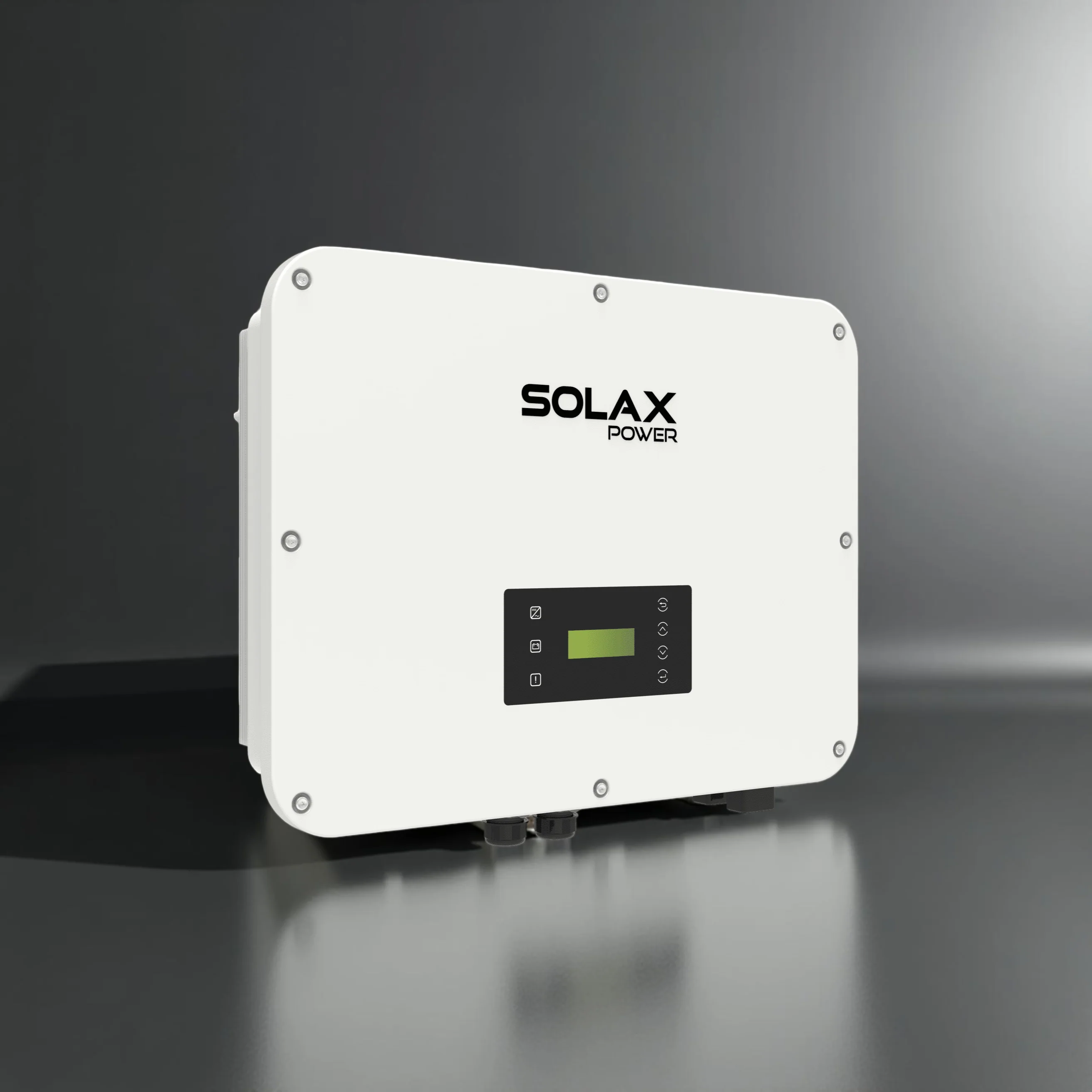
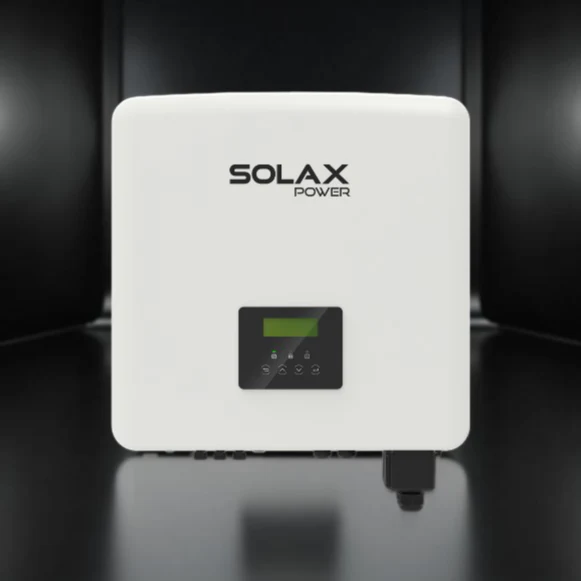
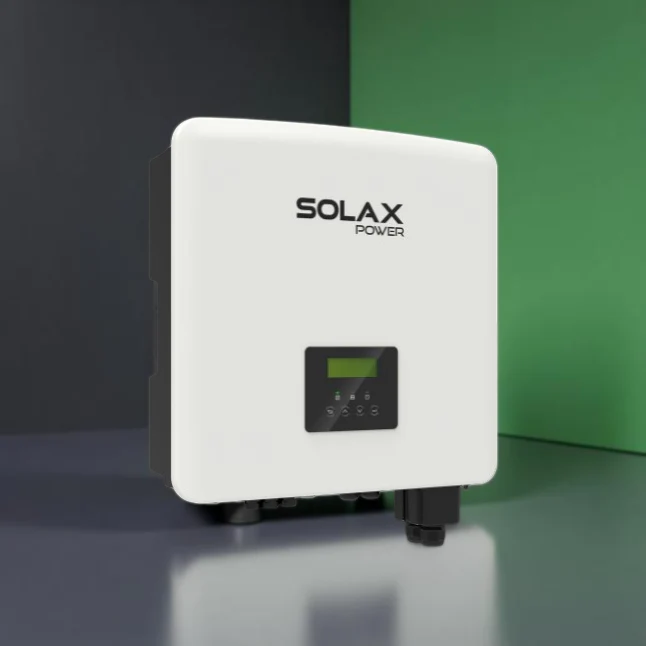
The Solis 6kW Hybrid 5G Inverter (S5-EH1P6K-L / RHI-6K-48ES-5G, part no. SOL-6K-RHI-48ES-5G-DC) is the highest-output single-phase model in the Solis RHI-5G series, rated at 6,000W AC grid output — the maximum permitted for a single-phase inverter on a UK domestic supply. It is designed for properties with large south-facing roofs, high electricity consumption (EV chargers, heat pumps, immersion heaters), or those seeking maximum generation to export on SEG tariffs. The 6kW is uniquely supplied with a 25mm² battery cable (pre-terminated with M8 lugs) to match its full 100A charge/discharge capability — where the 3.6kW and 5kW come with a lighter 6AWG cable. Like all RHI-5G models: fanless, IP65, 7-inch colour LCD, integrated DC switch, 2 MPPT, 600V DC PV input, SolisCloud monitoring. G99 DNO approval required before grid connection. CE, UKCA, TÜV SÜD certified.

6 kW
Rated output
100A batt.
Charge/discharge
2 MPPT
600V DC
97.5%
Peak efficiency
G99
Prior DNO approval
25mm²
Battery cable incl.
⚠ G99 DNO approval required before grid connection: The 6kW output exceeds the G98 threshold. Submit a G99 application to your DNO and receive approval before connection. Allow 6 – 12 weeks for DNO review. Some DNOs may require a site survey or additional protection relays at 6kW. Confirm with your DNO before ordering.
ℹ 25mm² battery cable supplied with the 6kW: Unlike the 3.6kW and 5kW models (which come with 6AWG / 13.3mm² cable), the 6kW inverter is supplied with a 25mm² battery cable pre-terminated with M8 lugs. This cable is suitable for direct connection to Pylontech and similar batteries without the need for a separate Pylontech DC cable pack. The inverter can charge and discharge at 100A, which at 51.2V corresponds to approximately 5.12kW of battery throughput.
⚠ Not suitable for lead-acid or lead-carbon batteries: The Solis RHI-5G / S5-EH1P series is designed for lithium-ion (48V LFP) batteries only. Lead-acid and lead-carbon batteries are not supported and will not be covered under warranty. Confirmed compatible batteries include Pylontech US2000C/US3000C/US5000/UP5000, Dyness DL5.0C / DL5.0C Pro, BYD B-BOX Premium LVL, and others — see Solis compatibility list.
ℹ Eastron SDM630 meter included: Solis supply a 3-phase Eastron SDM630 energy meter in the box with all EH1P single-phase inverters. Despite showing three-phase wiring in the manual, this meter can be used in single-phase installations. Use the separate single-phase wiring guide supplement — not the main manual schematic.
How the 6kW Sits in the Solis RHI-5G Range
Model Rated output Backup port Battery cable DNO route Best for
3.6kW 3,600W 3,000W 6AWG (13.3mm²) G98 Domestic; G98 simplicity
5kW 5,000W 5,000W 6AWG (13.3mm²) G99 Larger homes; max backup
★ 6kW (this product) 6,000W 5,000W 25mm² (M8 lugs) included G99 Largest PV arrays; max generation; high-consumption homes

All three models share 100A battery charge/discharge current, 2 MPPT, 600V DC, fanless IP65 build, 7-inch LCD and SolisCloud monitoring.

Key Features
97.5% Peak Efficiency — Non-Isolated Topology
The RHI-5G achieves 97.5% peak conversion efficiency. Non-isolated (transformerless) topology eliminates the transformer losses of older inverter designs, contributing to higher efficiency and lower heat output. Fanless passive cooling means no moving parts, no fan noise, and no fan failure mode — the entire front face acts as a heatsink.
97.5% peak efficiencyTransformerlessFanless passive cooling
Integrated DC Switch — Safe PV Isolation
All three models include an integrated DC isolator switch on the unit. This satisfies MCS and BS 7671 requirements for a means of isolation between the PV array and the inverter, eliminating the need for a separate external DC isolator on the PV side. The switch is accessible from the front of the unit without removing any covers.
Integrated DC switchMCS-compliant isolation
Three Operating Modes — Self-consumption, Timed and Backup
Self-consumption mode (default): PV powers the loads directly; surplus charges the battery; battery discharges to loads when PV is insufficient; grid supplies any remaining demand. Timed charge/discharge mode: set specific time windows for the battery to charge from the grid (e.g. overnight on Octopus Go or Agile tariff) and discharge during peak-rate periods. Backup mode: the battery is reserved for power cuts; the backup port supplies critical loads within 20 ms of grid loss.
Self-consumptionTimed charge/dischargeBackup / off-grid
Backup Port — Less Than 20 ms Switching
The inverter has a dedicated AC backup port that switches in under 20 ms when grid power is lost — fast enough that most modern electronics (routers, NAS drives, computers) do not detect the interruption. The backup port is entirely separate from the grid output: the backup port must not be connected to the grid. It should feed a sub-consumer unit with only the critical loads (fridge, lighting, router, EV charger, heat pump controller) that must remain live during a power cut.
Backup port <20msSeparate from grid portDo NOT connect to grid
7-Inch Colour LCD — On-Unit Monitoring Without App
The front panel features a 7-inch full-colour TFT display showing real-time PV input power, battery state of charge, grid import/export, load demand, and system status. All operating mode settings and parameters are configured via the four-key pad (ESC, UP, DOWN, ENTER) directly on the inverter — no app, phone or internet connection required for commissioning or adjustment. Particularly useful during installation when WiFi is not yet connected.
7-inch colour LCDOn-unit configurationNo app needed
SolisCloud WiFi Monitoring — Remote Control and OTA Updates
Connect the inverter to the home WiFi network (via optional WiFi dongle or built-in, depending on variant) to access SolisCloud: Solis’ monitoring platform available via browser and app. SolisCloud provides real-time and historical energy data, operating mode changes remotely, and over-the-air (OTA) firmware updates pushed by Solis. Installers can access customer systems remotely for diagnosis and parameter adjustment.
SolisCloud monitoringRemote controlOTA firmware
2 MPPT Trackers — 600 V DC, 90 – 520 V MPPT Range
Two independent MPPT trackers allow panels on two separate strings at different orientations or inclinations to be optimised independently. A south-facing string and an east/west-facing string can be connected without one string dragging down the other. The 90 – 520 V MPPT operating range and 600 V maximum input voltage accommodate long strings from modern high-voltage panels. MC4 connectors; PV wire 2.5 – 4 mm².
2 independent MPPT600V DC max90–520V MPPT rangeMC4 connectors
48V Low-Voltage Battery — Compatible with Pylontech, Dyness, BYD and More
The 42 – 58 V DC battery input is the industry-standard low-voltage (48V class) connection, compatible with the widest range of residential lithium battery modules. Communication is via CAN bus or RS485 to the battery BMS. The inverter reads cell voltages, temperatures and SoC directly from the BMS for accurate charge management. Confirmed compatible brands include Pylontech US2000C/US3000C/US5000/UP5000, Dyness DL5.0C/DL5.0C Pro, BYD B-BOX Premium LVL and many others — consult the Solis compatibility list for the full register.
48V LFP compatibleCAN / RS485 BMS commsPylontech, Dyness, BYD...
Technical Specifications
Solar PV Input (per string × 2 MPPT)
Max PV input voltage 600 V DC
MPPT voltage range 90 – 520 V DC
Max input current (per MPPT) 2 × 15 A (S5-EH1P) / 2 × 11 A (RHI-5G)
Max short-circuit current Isc PV 2 × 22.5 A (S5-EH1P) / 2 × 17.2 A (RHI-5G)
Number of MPPT trackers 2
PV connectors MC4 · cable 2.5 – 4 mm²
AC Output (Grid Side)
Rated output power 6,000 W
Max apparent output power 6,000 VA
Max output current 29 A
Output voltage / frequency 230 V AC / 50 Hz
Power factor (adjustable) 0.8 lagging – 0.8 leading
AC Backup Port
Backup rated output power 5,000 W
Backup output current 22 A
Backup switching time <20 ms
Backup port connection Separate sub-consumer unit (must NOT connect to grid)
Battery
Battery type Li-ion (lithium) — not suitable for lead-acid
Battery voltage range 42 – 58 V DC (48V class)
Max charge / discharge current 100 A DC each
BMS communication CAN / RS485
DC breaker required >125 A between inverter and battery (not included)
Additional — 6kW Specific
Battery cable supplied 25mm², pre-terminated with M8 lugs
Max output current (grid) 29A (S5-EH1P6K-L) / 26.1A (RHI-6K-48ES-5G)
General
Phase Single-phase
AC rated voltage (input) 230 V AC, 50 Hz
Efficiency 97.5 % peak
Inverter topology Non-isolated (transformerless)
Cooling Fanless passive (heatsink)
Ingress protection IP65
Operating temperature −25°C to +60°C
Protective class Class I
Weight 20.5 kg (approx.)
Display 7-inch colour LCD
Controls ESC / UP / DOWN / ENTER keypad
Operating modes Self-consumption, Timed charge/discharge, Backup
Monitoring SolisCloud (WiFi) — OTA firmware updates
Integrated DC switch Yes
Standards and Certifications
Safety IEC/EN 62109-1 & -2, BS EN 62109-1 & -2 (UK)
Grid EN 50549-1, IEC 61727, IEC 62116
EMC EN IEC 61000 series, EN 55011
Approvals CE, UKCA, TÜV SÜD
In the Box
Included Solis hybrid inverter with integrated DC switch, Eastron SDM630 energy meter, battery power cable (6AWG/13.3mm²), MC4 PV connectors, AC connector, documentation
Frequently Asked Questions
What is the difference between the RHI-5G and the S5-EH1P model numbers?
They are the same inverter. The RHI-3.6K-48ES-5G / RHI-5K-48ES-5G / RHI-6K-48ES-5G are the original Solis model numbers. The S5-EH1P3.6K-L / S5-EH1P5K-L / S5-EH1P6K-L are the updated designations used on the current production hardware (5th generation, ‘EH1P’ = single-phase energy hybrid). Both model strings appear on the TÜV SÜD certification and the Solis manual. The S5 variant has slightly higher PV input current ratings (2 × 15A vs 2 × 11A) and higher Isc tolerance, but is otherwise electrically equivalent. Solis supply the current S5 hardware against both part numbers.
Can I use this inverter with Pylontech batteries?
Yes. Pylontech US2000C, US3000C, US5000 and UP5000 are all on the Solis compatibility list for the RHI-5G / S5-EH1P series. Communication is via the RS485/CAN port using the Pylontech BMS cable. Important: the standard 6AWG battery cable supplied with the 3.6kW and 5kW inverters is not suitable for connecting Pylontech batteries directly — Pylontech recommend 25mm² cable to their terminal specification. Use the Pylontech DC cable pack (sold separately) when pairing with Pylontech batteries. The 6kW inverter comes supplied with 25mm² cable.
Does this inverter need G98 or G99 DNO notification?
For a single inverter rated up to 3.68kW AC output, G98 notification applies: the installer submits notification to the DNO within 28 days after commissioning. For inverters with AC output exceeding 3.68kW (i.e. the 5kW and 6kW models), G99 approval is required before connecting to the grid. G99 involves submitting an application to the DNO and receiving approval, which can take 6 – 12 weeks. Always confirm with your DNO before ordering and installing a 5kW or 6kW inverter. The 3.6kW model falls under G98 for most domestic single-phase installations.
Can the backup port supply my entire house during a power cut?
Only if your house load is within the backup port’s rated output power (3kW for the 3.6kW model; 5kW for the 5kW and 6kW models). In practice, the backup port is intended for critical loads only: fridge, lighting, router, phone charging, a heat pump controller, and similar low-draw circuits. High-power appliances (electric shower, oven, kettle, immersion heater) will overload the port. The backup port must be wired to a separate sub-consumer unit that is electrically isolated from the main grid consumer unit. This is a dedicated installation task — not plug-and-play.
What is the Eastron SDM630 meter included in the box for?
The SDM630 is a generation/import/export energy meter that measures the power flowing between the inverter system and the grid. The inverter uses this data to calculate how much energy is being imported from or exported to the grid, and to make decisions about when to charge or discharge the battery. It is also used for SolisCloud monitoring to display grid import/export data. Although the SDM630 is a three-phase meter, Solis have confirmed it can be used in single-phase installations using the single-phase wiring supplement — do not follow the meter wiring diagram in the main manual.
Can I add more battery modules later?
Yes, within the limits of the inverter’s maximum charge/discharge current (100A DC). At 51.2V nominal, 100A corresponds to approximately 5.12kW of battery power. Add battery modules in parallel according to the battery manufacturer’s guidance (same SoC, same chemistry, same generation). The inverter communicates with the battery bank via a single BMS master connection; the battery’s internal BMS handles multi-unit balancing. There is no inverter firmware change required when adding batteries — but always re-verify SoC calibration after expanding the bank.
Related Products
Solis 5kW Hybrid 5G Inverter
Mid-range model; same backup port; lighter battery cable
Solis 3.6kW Hybrid 5G Inverter
G98 model; no prior DNO approval required
Dyness DL5.0C Pro 5.12kWh LFP Battery
Compatible 48V LFP module; up to 50 in parallel
Pylontech US5000 4.8kWh Battery
Compatible Pylontech LFP; 25mm² cable matches 6kW supply
$393.97

Original: $1,125.62

-65%
Solis Energy Storage 6kW 5G Hybrid Inverter with DC Switch

$1,125.62

$393.97

More Images

Solis Energy Storage 6kW 5G Hybrid Inverter with DC Switch - Image 2
Solis Energy Storage 6kW 5G Hybrid Inverter with DC Switch - Image 3
Solis Energy Storage 6kW 5G Hybrid Inverter with DC Switch - Image 4
Solis Energy Storage 6kW 5G Hybrid Inverter with DC Switch - Image 5

Solis Energy Storage 6kW 5G Hybrid Inverter with DC Switch

The Solis 6kW Hybrid 5G Inverter (S5-EH1P6K-L / RHI-6K-48ES-5G, part no. SOL-6K-RHI-48ES-5G-DC) is the highest-output single-phase model in the Solis RHI-5G series, rated at 6,000W AC grid output — the maximum permitted for a single-phase inverter on a UK domestic supply. It is designed for properties with large south-facing roofs, high electricity consumption (EV chargers, heat pumps, immersion heaters), or those seeking maximum generation to export on SEG tariffs. The 6kW is uniquely supplied with a 25mm² battery cable (pre-terminated with M8 lugs) to match its full 100A charge/discharge capability — where the 3.6kW and 5kW come with a lighter 6AWG cable. Like all RHI-5G models: fanless, IP65, 7-inch colour LCD, integrated DC switch, 2 MPPT, 600V DC PV input, SolisCloud monitoring. G99 DNO approval required before grid connection. CE, UKCA, TÜV SÜD certified.

6 kW
Rated output
100A batt.
Charge/discharge
2 MPPT
600V DC
97.5%
Peak efficiency
G99
Prior DNO approval
25mm²
Battery cable incl.
⚠ G99 DNO approval required before grid connection: The 6kW output exceeds the G98 threshold. Submit a G99 application to your DNO and receive approval before connection. Allow 6 – 12 weeks for DNO review. Some DNOs may require a site survey or additional protection relays at 6kW. Confirm with your DNO before ordering.
ℹ 25mm² battery cable supplied with the 6kW: Unlike the 3.6kW and 5kW models (which come with 6AWG / 13.3mm² cable), the 6kW inverter is supplied with a 25mm² battery cable pre-terminated with M8 lugs. This cable is suitable for direct connection to Pylontech and similar batteries without the need for a separate Pylontech DC cable pack. The inverter can charge and discharge at 100A, which at 51.2V corresponds to approximately 5.12kW of battery throughput.
⚠ Not suitable for lead-acid or lead-carbon batteries: The Solis RHI-5G / S5-EH1P series is designed for lithium-ion (48V LFP) batteries only. Lead-acid and lead-carbon batteries are not supported and will not be covered under warranty. Confirmed compatible batteries include Pylontech US2000C/US3000C/US5000/UP5000, Dyness DL5.0C / DL5.0C Pro, BYD B-BOX Premium LVL, and others — see Solis compatibility list.
ℹ Eastron SDM630 meter included: Solis supply a 3-phase Eastron SDM630 energy meter in the box with all EH1P single-phase inverters. Despite showing three-phase wiring in the manual, this meter can be used in single-phase installations. Use the separate single-phase wiring guide supplement — not the main manual schematic.
How the 6kW Sits in the Solis RHI-5G Range
Model Rated output Backup port Battery cable DNO route Best for
3.6kW 3,600W 3,000W 6AWG (13.3mm²) G98 Domestic; G98 simplicity
5kW 5,000W 5,000W 6AWG (13.3mm²) G99 Larger homes; max backup
★ 6kW (this product) 6,000W 5,000W 25mm² (M8 lugs) included G99 Largest PV arrays; max generation; high-consumption homes

All three models share 100A battery charge/discharge current, 2 MPPT, 600V DC, fanless IP65 build, 7-inch LCD and SolisCloud monitoring.

Key Features
97.5% Peak Efficiency — Non-Isolated Topology
The RHI-5G achieves 97.5% peak conversion efficiency. Non-isolated (transformerless) topology eliminates the transformer losses of older inverter designs, contributing to higher efficiency and lower heat output. Fanless passive cooling means no moving parts, no fan noise, and no fan failure mode — the entire front face acts as a heatsink.
97.5% peak efficiencyTransformerlessFanless passive cooling
Integrated DC Switch — Safe PV Isolation
All three models include an integrated DC isolator switch on the unit. This satisfies MCS and BS 7671 requirements for a means of isolation between the PV array and the inverter, eliminating the need for a separate external DC isolator on the PV side. The switch is accessible from the front of the unit without removing any covers.
Integrated DC switchMCS-compliant isolation
Three Operating Modes — Self-consumption, Timed and Backup
Self-consumption mode (default): PV powers the loads directly; surplus charges the battery; battery discharges to loads when PV is insufficient; grid supplies any remaining demand. Timed charge/discharge mode: set specific time windows for the battery to charge from the grid (e.g. overnight on Octopus Go or Agile tariff) and discharge during peak-rate periods. Backup mode: the battery is reserved for power cuts; the backup port supplies critical loads within 20 ms of grid loss.
Self-consumptionTimed charge/dischargeBackup / off-grid
Backup Port — Less Than 20 ms Switching
The inverter has a dedicated AC backup port that switches in under 20 ms when grid power is lost — fast enough that most modern electronics (routers, NAS drives, computers) do not detect the interruption. The backup port is entirely separate from the grid output: the backup port must not be connected to the grid. It should feed a sub-consumer unit with only the critical loads (fridge, lighting, router, EV charger, heat pump controller) that must remain live during a power cut.
Backup port <20msSeparate from grid portDo NOT connect to grid
7-Inch Colour LCD — On-Unit Monitoring Without App
The front panel features a 7-inch full-colour TFT display showing real-time PV input power, battery state of charge, grid import/export, load demand, and system status. All operating mode settings and parameters are configured via the four-key pad (ESC, UP, DOWN, ENTER) directly on the inverter — no app, phone or internet connection required for commissioning or adjustment. Particularly useful during installation when WiFi is not yet connected.
7-inch colour LCDOn-unit configurationNo app needed
SolisCloud WiFi Monitoring — Remote Control and OTA Updates
Connect the inverter to the home WiFi network (via optional WiFi dongle or built-in, depending on variant) to access SolisCloud: Solis’ monitoring platform available via browser and app. SolisCloud provides real-time and historical energy data, operating mode changes remotely, and over-the-air (OTA) firmware updates pushed by Solis. Installers can access customer systems remotely for diagnosis and parameter adjustment.
SolisCloud monitoringRemote controlOTA firmware
2 MPPT Trackers — 600 V DC, 90 – 520 V MPPT Range
Two independent MPPT trackers allow panels on two separate strings at different orientations or inclinations to be optimised independently. A south-facing string and an east/west-facing string can be connected without one string dragging down the other. The 90 – 520 V MPPT operating range and 600 V maximum input voltage accommodate long strings from modern high-voltage panels. MC4 connectors; PV wire 2.5 – 4 mm².
2 independent MPPT600V DC max90–520V MPPT rangeMC4 connectors
48V Low-Voltage Battery — Compatible with Pylontech, Dyness, BYD and More
The 42 – 58 V DC battery input is the industry-standard low-voltage (48V class) connection, compatible with the widest range of residential lithium battery modules. Communication is via CAN bus or RS485 to the battery BMS. The inverter reads cell voltages, temperatures and SoC directly from the BMS for accurate charge management. Confirmed compatible brands include Pylontech US2000C/US3000C/US5000/UP5000, Dyness DL5.0C/DL5.0C Pro, BYD B-BOX Premium LVL and many others — consult the Solis compatibility list for the full register.
48V LFP compatibleCAN / RS485 BMS commsPylontech, Dyness, BYD...
Technical Specifications
Solar PV Input (per string × 2 MPPT)
Max PV input voltage 600 V DC
MPPT voltage range 90 – 520 V DC
Max input current (per MPPT) 2 × 15 A (S5-EH1P) / 2 × 11 A (RHI-5G)
Max short-circuit current Isc PV 2 × 22.5 A (S5-EH1P) / 2 × 17.2 A (RHI-5G)
Number of MPPT trackers 2
PV connectors MC4 · cable 2.5 – 4 mm²
AC Output (Grid Side)
Rated output power 6,000 W
Max apparent output power 6,000 VA
Max output current 29 A
Output voltage / frequency 230 V AC / 50 Hz
Power factor (adjustable) 0.8 lagging – 0.8 leading
AC Backup Port
Backup rated output power 5,000 W
Backup output current 22 A
Backup switching time <20 ms
Backup port connection Separate sub-consumer unit (must NOT connect to grid)
Battery
Battery type Li-ion (lithium) — not suitable for lead-acid
Battery voltage range 42 – 58 V DC (48V class)
Max charge / discharge current 100 A DC each
BMS communication CAN / RS485
DC breaker required >125 A between inverter and battery (not included)
Additional — 6kW Specific
Battery cable supplied 25mm², pre-terminated with M8 lugs
Max output current (grid) 29A (S5-EH1P6K-L) / 26.1A (RHI-6K-48ES-5G)
General
Phase Single-phase
AC rated voltage (input) 230 V AC, 50 Hz
Efficiency 97.5 % peak
Inverter topology Non-isolated (transformerless)
Cooling Fanless passive (heatsink)
Ingress protection IP65
Operating temperature −25°C to +60°C
Protective class Class I
Weight 20.5 kg (approx.)
Display 7-inch colour LCD
Controls ESC / UP / DOWN / ENTER keypad
Operating modes Self-consumption, Timed charge/discharge, Backup
Monitoring SolisCloud (WiFi) — OTA firmware updates
Integrated DC switch Yes
Standards and Certifications
Safety IEC/EN 62109-1 & -2, BS EN 62109-1 & -2 (UK)
Grid EN 50549-1, IEC 61727, IEC 62116
EMC EN IEC 61000 series, EN 55011
Approvals CE, UKCA, TÜV SÜD
In the Box
Included Solis hybrid inverter with integrated DC switch, Eastron SDM630 energy meter, battery power cable (6AWG/13.3mm²), MC4 PV connectors, AC connector, documentation
Frequently Asked Questions
What is the difference between the RHI-5G and the S5-EH1P model numbers?
They are the same inverter. The RHI-3.6K-48ES-5G / RHI-5K-48ES-5G / RHI-6K-48ES-5G are the original Solis model numbers. The S5-EH1P3.6K-L / S5-EH1P5K-L / S5-EH1P6K-L are the updated designations used on the current production hardware (5th generation, ‘EH1P’ = single-phase energy hybrid). Both model strings appear on the TÜV SÜD certification and the Solis manual. The S5 variant has slightly higher PV input current ratings (2 × 15A vs 2 × 11A) and higher Isc tolerance, but is otherwise electrically equivalent. Solis supply the current S5 hardware against both part numbers.
Can I use this inverter with Pylontech batteries?
Yes. Pylontech US2000C, US3000C, US5000 and UP5000 are all on the Solis compatibility list for the RHI-5G / S5-EH1P series. Communication is via the RS485/CAN port using the Pylontech BMS cable. Important: the standard 6AWG battery cable supplied with the 3.6kW and 5kW inverters is not suitable for connecting Pylontech batteries directly — Pylontech recommend 25mm² cable to their terminal specification. Use the Pylontech DC cable pack (sold separately) when pairing with Pylontech batteries. The 6kW inverter comes supplied with 25mm² cable.
Does this inverter need G98 or G99 DNO notification?
For a single inverter rated up to 3.68kW AC output, G98 notification applies: the installer submits notification to the DNO within 28 days after commissioning. For inverters with AC output exceeding 3.68kW (i.e. the 5kW and 6kW models), G99 approval is required before connecting to the grid. G99 involves submitting an application to the DNO and receiving approval, which can take 6 – 12 weeks. Always confirm with your DNO before ordering and installing a 5kW or 6kW inverter. The 3.6kW model falls under G98 for most domestic single-phase installations.
Can the backup port supply my entire house during a power cut?
Only if your house load is within the backup port’s rated output power (3kW for the 3.6kW model; 5kW for the 5kW and 6kW models). In practice, the backup port is intended for critical loads only: fridge, lighting, router, phone charging, a heat pump controller, and similar low-draw circuits. High-power appliances (electric shower, oven, kettle, immersion heater) will overload the port. The backup port must be wired to a separate sub-consumer unit that is electrically isolated from the main grid consumer unit. This is a dedicated installation task — not plug-and-play.
What is the Eastron SDM630 meter included in the box for?
The SDM630 is a generation/import/export energy meter that measures the power flowing between the inverter system and the grid. The inverter uses this data to calculate how much energy is being imported from or exported to the grid, and to make decisions about when to charge or discharge the battery. It is also used for SolisCloud monitoring to display grid import/export data. Although the SDM630 is a three-phase meter, Solis have confirmed it can be used in single-phase installations using the single-phase wiring supplement — do not follow the meter wiring diagram in the main manual.
Can I add more battery modules later?
Yes, within the limits of the inverter’s maximum charge/discharge current (100A DC). At 51.2V nominal, 100A corresponds to approximately 5.12kW of battery power. Add battery modules in parallel according to the battery manufacturer’s guidance (same SoC, same chemistry, same generation). The inverter communicates with the battery bank via a single BMS master connection; the battery’s internal BMS handles multi-unit balancing. There is no inverter firmware change required when adding batteries — but always re-verify SoC calibration after expanding the bank.
Related Products
Solis 5kW Hybrid 5G Inverter
Mid-range model; same backup port; lighter battery cable
Solis 3.6kW Hybrid 5G Inverter
G98 model; no prior DNO approval required
Dyness DL5.0C Pro 5.12kWh LFP Battery
Compatible 48V LFP module; up to 50 in parallel
Pylontech US5000 4.8kWh Battery
Compatible Pylontech LFP; 25mm² cable matches 6kW supply

Product Information

Shipping & Returns

Description

The Solis 6kW Hybrid 5G Inverter (S5-EH1P6K-L / RHI-6K-48ES-5G, part no. SOL-6K-RHI-48ES-5G-DC) is the highest-output single-phase model in the Solis RHI-5G series, rated at 6,000W AC grid output — the maximum permitted for a single-phase inverter on a UK domestic supply. It is designed for properties with large south-facing roofs, high electricity consumption (EV chargers, heat pumps, immersion heaters), or those seeking maximum generation to export on SEG tariffs. The 6kW is uniquely supplied with a 25mm² battery cable (pre-terminated with M8 lugs) to match its full 100A charge/discharge capability — where the 3.6kW and 5kW come with a lighter 6AWG cable. Like all RHI-5G models: fanless, IP65, 7-inch colour LCD, integrated DC switch, 2 MPPT, 600V DC PV input, SolisCloud monitoring. G99 DNO approval required before grid connection. CE, UKCA, TÜV SÜD certified.

6 kW
Rated output
100A batt.
Charge/discharge
2 MPPT
600V DC
97.5%
Peak efficiency
G99
Prior DNO approval
25mm²
Battery cable incl.
⚠ G99 DNO approval required before grid connection: The 6kW output exceeds the G98 threshold. Submit a G99 application to your DNO and receive approval before connection. Allow 6 – 12 weeks for DNO review. Some DNOs may require a site survey or additional protection relays at 6kW. Confirm with your DNO before ordering.
ℹ 25mm² battery cable supplied with the 6kW: Unlike the 3.6kW and 5kW models (which come with 6AWG / 13.3mm² cable), the 6kW inverter is supplied with a 25mm² battery cable pre-terminated with M8 lugs. This cable is suitable for direct connection to Pylontech and similar batteries without the need for a separate Pylontech DC cable pack. The inverter can charge and discharge at 100A, which at 51.2V corresponds to approximately 5.12kW of battery throughput.
⚠ Not suitable for lead-acid or lead-carbon batteries: The Solis RHI-5G / S5-EH1P series is designed for lithium-ion (48V LFP) batteries only. Lead-acid and lead-carbon batteries are not supported and will not be covered under warranty. Confirmed compatible batteries include Pylontech US2000C/US3000C/US5000/UP5000, Dyness DL5.0C / DL5.0C Pro, BYD B-BOX Premium LVL, and others — see Solis compatibility list.
ℹ Eastron SDM630 meter included: Solis supply a 3-phase Eastron SDM630 energy meter in the box with all EH1P single-phase inverters. Despite showing three-phase wiring in the manual, this meter can be used in single-phase installations. Use the separate single-phase wiring guide supplement — not the main manual schematic.
How the 6kW Sits in the Solis RHI-5G Range
Model Rated output Backup port Battery cable DNO route Best for
3.6kW 3,600W 3,000W 6AWG (13.3mm²) G98 Domestic; G98 simplicity
5kW 5,000W 5,000W 6AWG (13.3mm²) G99 Larger homes; max backup
★ 6kW (this product) 6,000W 5,000W 25mm² (M8 lugs) included G99 Largest PV arrays; max generation; high-consumption homes

All three models share 100A battery charge/discharge current, 2 MPPT, 600V DC, fanless IP65 build, 7-inch LCD and SolisCloud monitoring.

Key Features
97.5% Peak Efficiency — Non-Isolated Topology
The RHI-5G achieves 97.5% peak conversion efficiency. Non-isolated (transformerless) topology eliminates the transformer losses of older inverter designs, contributing to higher efficiency and lower heat output. Fanless passive cooling means no moving parts, no fan noise, and no fan failure mode — the entire front face acts as a heatsink.
97.5% peak efficiencyTransformerlessFanless passive cooling
Integrated DC Switch — Safe PV Isolation
All three models include an integrated DC isolator switch on the unit. This satisfies MCS and BS 7671 requirements for a means of isolation between the PV array and the inverter, eliminating the need for a separate external DC isolator on the PV side. The switch is accessible from the front of the unit without removing any covers.
Integrated DC switchMCS-compliant isolation
Three Operating Modes — Self-consumption, Timed and Backup
Self-consumption mode (default): PV powers the loads directly; surplus charges the battery; battery discharges to loads when PV is insufficient; grid supplies any remaining demand. Timed charge/discharge mode: set specific time windows for the battery to charge from the grid (e.g. overnight on Octopus Go or Agile tariff) and discharge during peak-rate periods. Backup mode: the battery is reserved for power cuts; the backup port supplies critical loads within 20 ms of grid loss.
Self-consumptionTimed charge/dischargeBackup / off-grid
Backup Port — Less Than 20 ms Switching
The inverter has a dedicated AC backup port that switches in under 20 ms when grid power is lost — fast enough that most modern electronics (routers, NAS drives, computers) do not detect the interruption. The backup port is entirely separate from the grid output: the backup port must not be connected to the grid. It should feed a sub-consumer unit with only the critical loads (fridge, lighting, router, EV charger, heat pump controller) that must remain live during a power cut.
Backup port <20msSeparate from grid portDo NOT connect to grid
7-Inch Colour LCD — On-Unit Monitoring Without App
The front panel features a 7-inch full-colour TFT display showing real-time PV input power, battery state of charge, grid import/export, load demand, and system status. All operating mode settings and parameters are configured via the four-key pad (ESC, UP, DOWN, ENTER) directly on the inverter — no app, phone or internet connection required for commissioning or adjustment. Particularly useful during installation when WiFi is not yet connected.
7-inch colour LCDOn-unit configurationNo app needed
SolisCloud WiFi Monitoring — Remote Control and OTA Updates
Connect the inverter to the home WiFi network (via optional WiFi dongle or built-in, depending on variant) to access SolisCloud: Solis’ monitoring platform available via browser and app. SolisCloud provides real-time and historical energy data, operating mode changes remotely, and over-the-air (OTA) firmware updates pushed by Solis. Installers can access customer systems remotely for diagnosis and parameter adjustment.
SolisCloud monitoringRemote controlOTA firmware
2 MPPT Trackers — 600 V DC, 90 – 520 V MPPT Range
Two independent MPPT trackers allow panels on two separate strings at different orientations or inclinations to be optimised independently. A south-facing string and an east/west-facing string can be connected without one string dragging down the other. The 90 – 520 V MPPT operating range and 600 V maximum input voltage accommodate long strings from modern high-voltage panels. MC4 connectors; PV wire 2.5 – 4 mm².
2 independent MPPT600V DC max90–520V MPPT rangeMC4 connectors
48V Low-Voltage Battery — Compatible with Pylontech, Dyness, BYD and More
The 42 – 58 V DC battery input is the industry-standard low-voltage (48V class) connection, compatible with the widest range of residential lithium battery modules. Communication is via CAN bus or RS485 to the battery BMS. The inverter reads cell voltages, temperatures and SoC directly from the BMS for accurate charge management. Confirmed compatible brands include Pylontech US2000C/US3000C/US5000/UP5000, Dyness DL5.0C/DL5.0C Pro, BYD B-BOX Premium LVL and many others — consult the Solis compatibility list for the full register.
48V LFP compatibleCAN / RS485 BMS commsPylontech, Dyness, BYD...
Technical Specifications
Solar PV Input (per string × 2 MPPT)
Max PV input voltage 600 V DC
MPPT voltage range 90 – 520 V DC
Max input current (per MPPT) 2 × 15 A (S5-EH1P) / 2 × 11 A (RHI-5G)
Max short-circuit current Isc PV 2 × 22.5 A (S5-EH1P) / 2 × 17.2 A (RHI-5G)
Number of MPPT trackers 2
PV connectors MC4 · cable 2.5 – 4 mm²
AC Output (Grid Side)
Rated output power 6,000 W
Max apparent output power 6,000 VA
Max output current 29 A
Output voltage / frequency 230 V AC / 50 Hz
Power factor (adjustable) 0.8 lagging – 0.8 leading
AC Backup Port
Backup rated output power 5,000 W
Backup output current 22 A
Backup switching time <20 ms
Backup port connection Separate sub-consumer unit (must NOT connect to grid)
Battery
Battery type Li-ion (lithium) — not suitable for lead-acid
Battery voltage range 42 – 58 V DC (48V class)
Max charge / discharge current 100 A DC each
BMS communication CAN / RS485
DC breaker required >125 A between inverter and battery (not included)
Additional — 6kW Specific
Battery cable supplied 25mm², pre-terminated with M8 lugs
Max output current (grid) 29A (S5-EH1P6K-L) / 26.1A (RHI-6K-48ES-5G)
General
Phase Single-phase
AC rated voltage (input) 230 V AC, 50 Hz
Efficiency 97.5 % peak
Inverter topology Non-isolated (transformerless)
Cooling Fanless passive (heatsink)
Ingress protection IP65
Operating temperature −25°C to +60°C
Protective class Class I
Weight 20.5 kg (approx.)
Display 7-inch colour LCD
Controls ESC / UP / DOWN / ENTER keypad
Operating modes Self-consumption, Timed charge/discharge, Backup
Monitoring SolisCloud (WiFi) — OTA firmware updates
Integrated DC switch Yes
Standards and Certifications
Safety IEC/EN 62109-1 & -2, BS EN 62109-1 & -2 (UK)
Grid EN 50549-1, IEC 61727, IEC 62116
EMC EN IEC 61000 series, EN 55011
Approvals CE, UKCA, TÜV SÜD
In the Box
Included Solis hybrid inverter with integrated DC switch, Eastron SDM630 energy meter, battery power cable (6AWG/13.3mm²), MC4 PV connectors, AC connector, documentation
Frequently Asked Questions
What is the difference between the RHI-5G and the S5-EH1P model numbers?
They are the same inverter. The RHI-3.6K-48ES-5G / RHI-5K-48ES-5G / RHI-6K-48ES-5G are the original Solis model numbers. The S5-EH1P3.6K-L / S5-EH1P5K-L / S5-EH1P6K-L are the updated designations used on the current production hardware (5th generation, ‘EH1P’ = single-phase energy hybrid). Both model strings appear on the TÜV SÜD certification and the Solis manual. The S5 variant has slightly higher PV input current ratings (2 × 15A vs 2 × 11A) and higher Isc tolerance, but is otherwise electrically equivalent. Solis supply the current S5 hardware against both part numbers.
Can I use this inverter with Pylontech batteries?
Yes. Pylontech US2000C, US3000C, US5000 and UP5000 are all on the Solis compatibility list for the RHI-5G / S5-EH1P series. Communication is via the RS485/CAN port using the Pylontech BMS cable. Important: the standard 6AWG battery cable supplied with the 3.6kW and 5kW inverters is not suitable for connecting Pylontech batteries directly — Pylontech recommend 25mm² cable to their terminal specification. Use the Pylontech DC cable pack (sold separately) when pairing with Pylontech batteries. The 6kW inverter comes supplied with 25mm² cable.
Does this inverter need G98 or G99 DNO notification?
For a single inverter rated up to 3.68kW AC output, G98 notification applies: the installer submits notification to the DNO within 28 days after commissioning. For inverters with AC output exceeding 3.68kW (i.e. the 5kW and 6kW models), G99 approval is required before connecting to the grid. G99 involves submitting an application to the DNO and receiving approval, which can take 6 – 12 weeks. Always confirm with your DNO before ordering and installing a 5kW or 6kW inverter. The 3.6kW model falls under G98 for most domestic single-phase installations.
Can the backup port supply my entire house during a power cut?
Only if your house load is within the backup port’s rated output power (3kW for the 3.6kW model; 5kW for the 5kW and 6kW models). In practice, the backup port is intended for critical loads only: fridge, lighting, router, phone charging, a heat pump controller, and similar low-draw circuits. High-power appliances (electric shower, oven, kettle, immersion heater) will overload the port. The backup port must be wired to a separate sub-consumer unit that is electrically isolated from the main grid consumer unit. This is a dedicated installation task — not plug-and-play.
What is the Eastron SDM630 meter included in the box for?
The SDM630 is a generation/import/export energy meter that measures the power flowing between the inverter system and the grid. The inverter uses this data to calculate how much energy is being imported from or exported to the grid, and to make decisions about when to charge or discharge the battery. It is also used for SolisCloud monitoring to display grid import/export data. Although the SDM630 is a three-phase meter, Solis have confirmed it can be used in single-phase installations using the single-phase wiring supplement — do not follow the meter wiring diagram in the main manual.
Can I add more battery modules later?
Yes, within the limits of the inverter’s maximum charge/discharge current (100A DC). At 51.2V nominal, 100A corresponds to approximately 5.12kW of battery power. Add battery modules in parallel according to the battery manufacturer’s guidance (same SoC, same chemistry, same generation). The inverter communicates with the battery bank via a single BMS master connection; the battery’s internal BMS handles multi-unit balancing. There is no inverter firmware change required when adding batteries — but always re-verify SoC calibration after expanding the bank.
Related Products
Solis 5kW Hybrid 5G Inverter
Mid-range model; same backup port; lighter battery cable
Solis 3.6kW Hybrid 5G Inverter
G98 model; no prior DNO approval required
Dyness DL5.0C Pro 5.12kWh LFP Battery
Compatible 48V LFP module; up to 50 in parallel
Pylontech US5000 4.8kWh Battery
Compatible Pylontech LFP; 25mm² cable matches 6kW supply