✨ New Arrivals Just Dropped!Explore
LONGi Hi-MO X10 485W HPBC 2.0 N-Type Solar Module Black Frame — LR7-54HVH-485M — 23.8% Efficiency
HomeStore

LONGi Hi-MO X10 485W HPBC 2.0 N-Type Solar Module Black Frame — LR7-54HVH-485M — 23.8% Efficiency

LONGi Hi-MO X10 485W HPBC 2.0 N-Type Solar Module Black Frame — LR7-54HVH-485M — 23.8% Efficiency

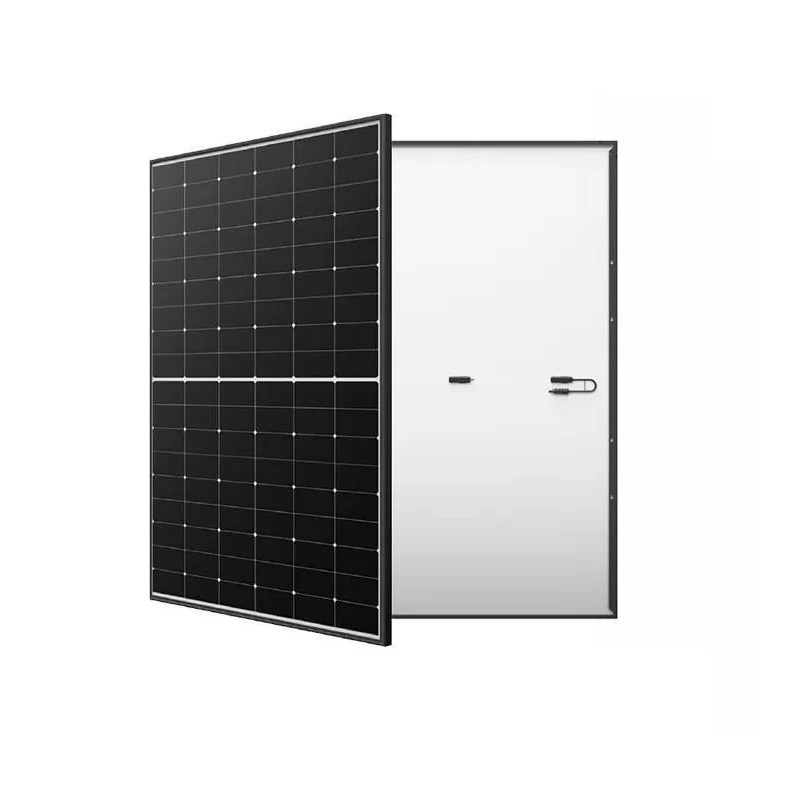
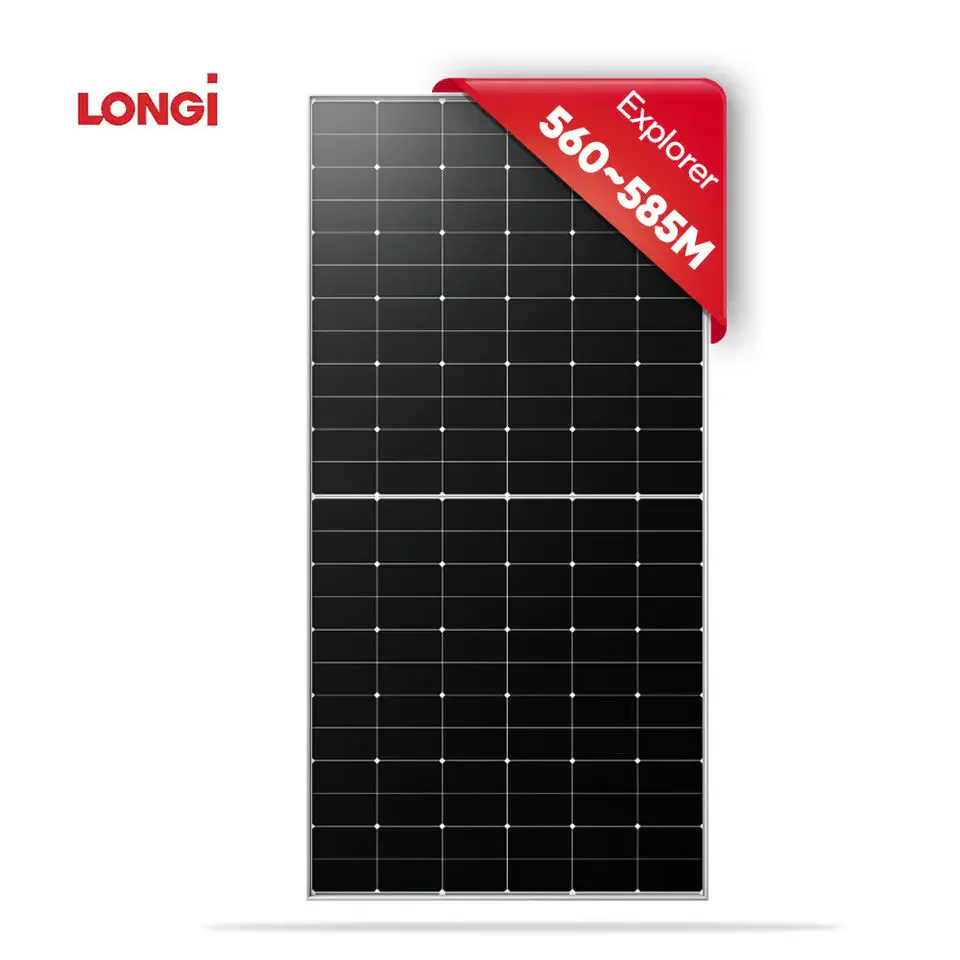
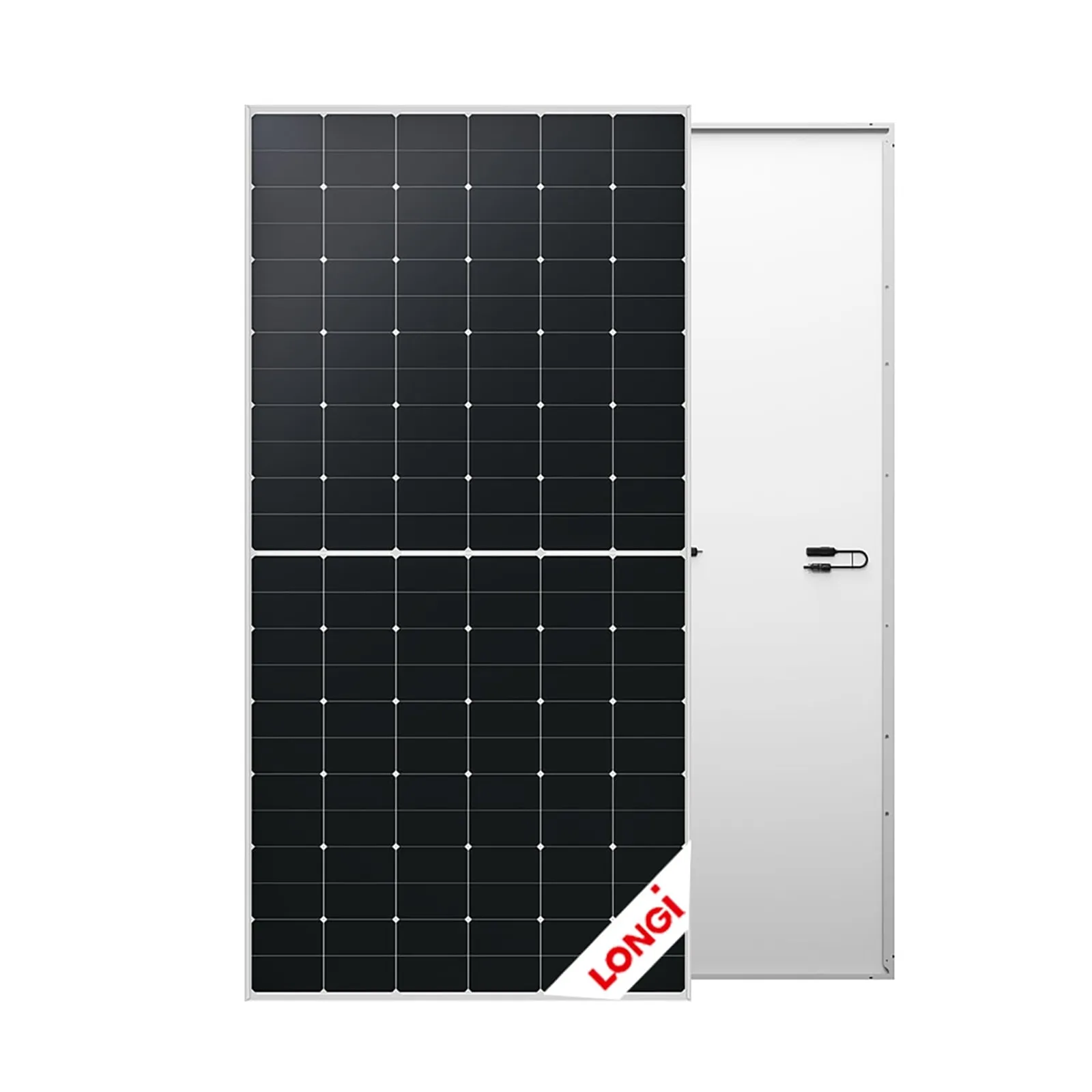
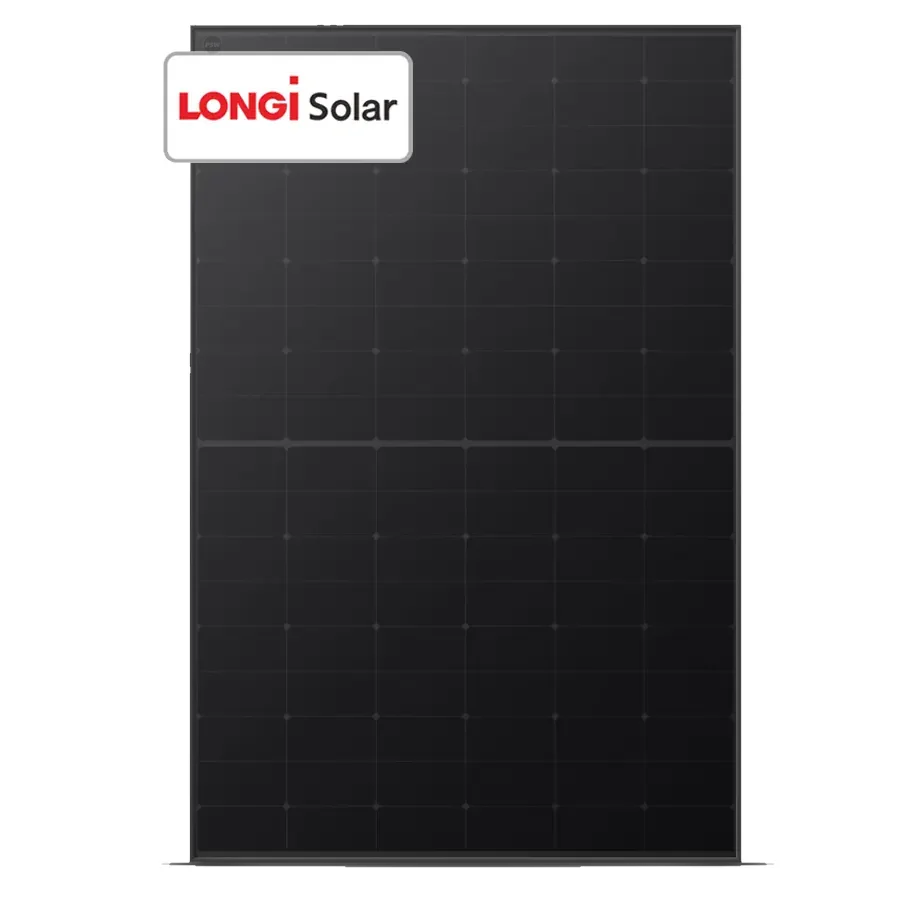
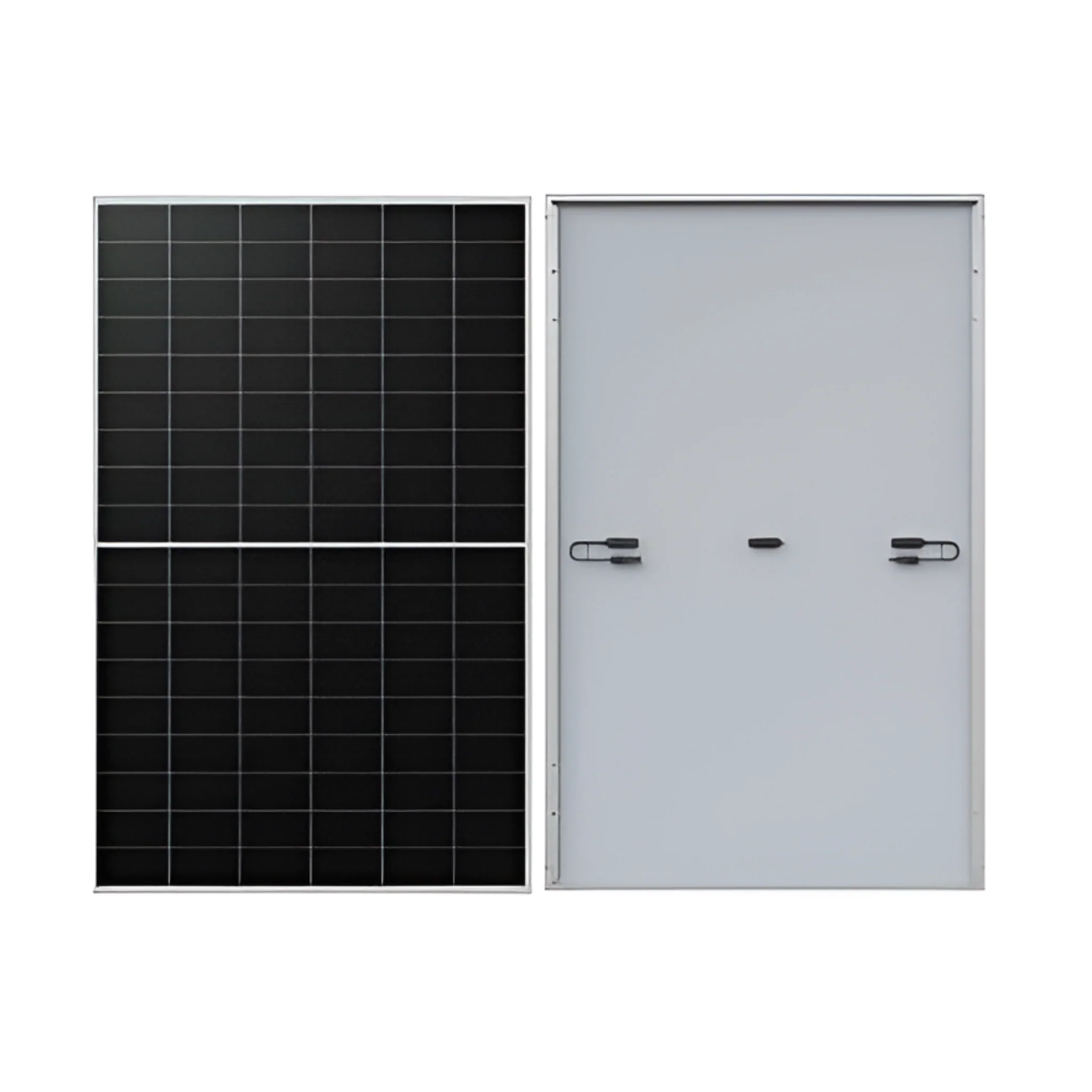
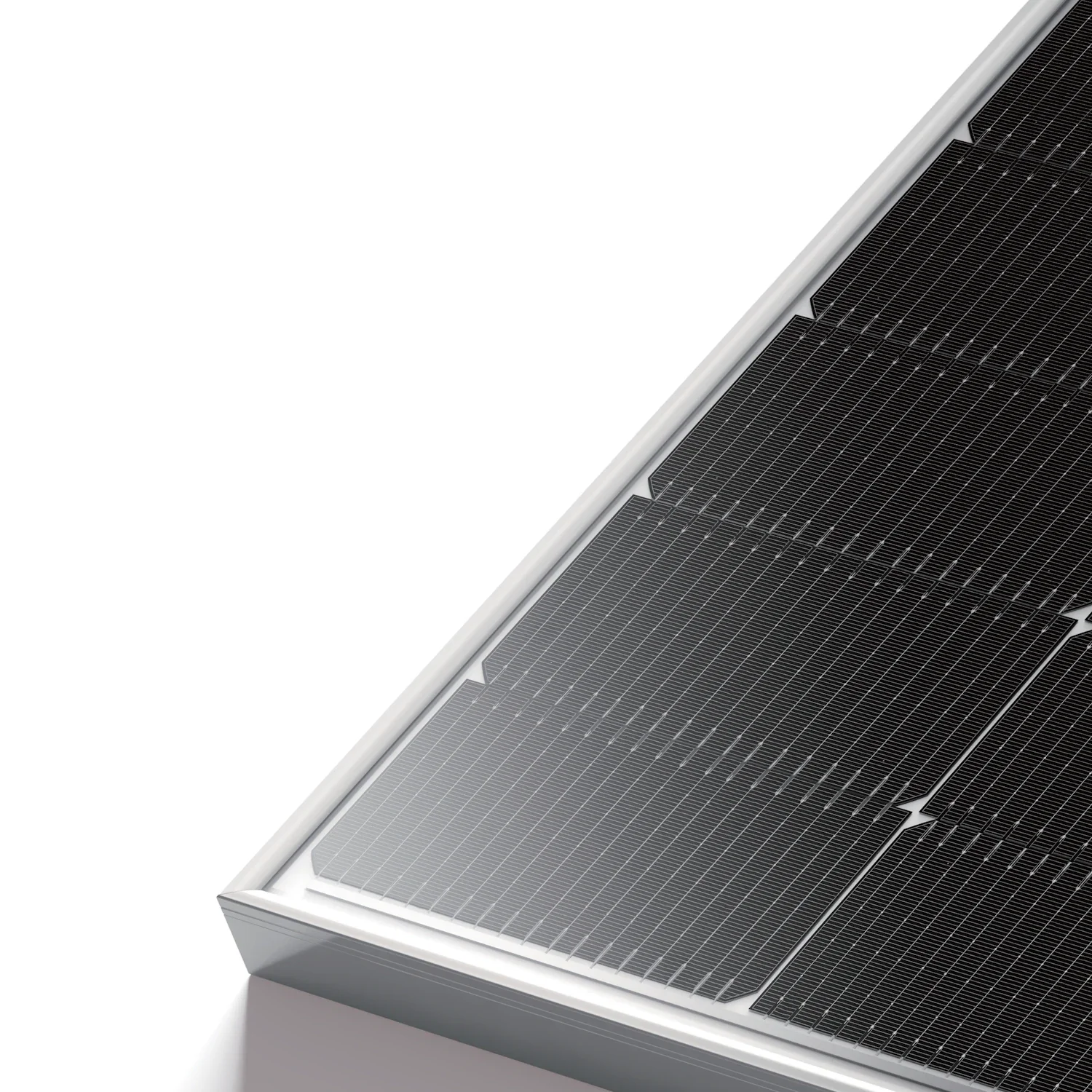
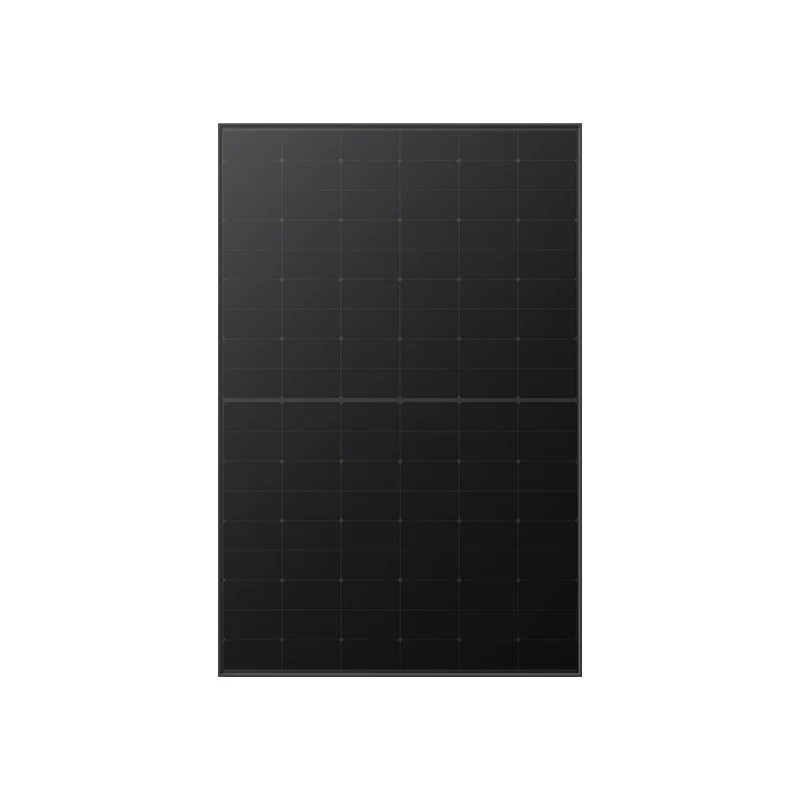
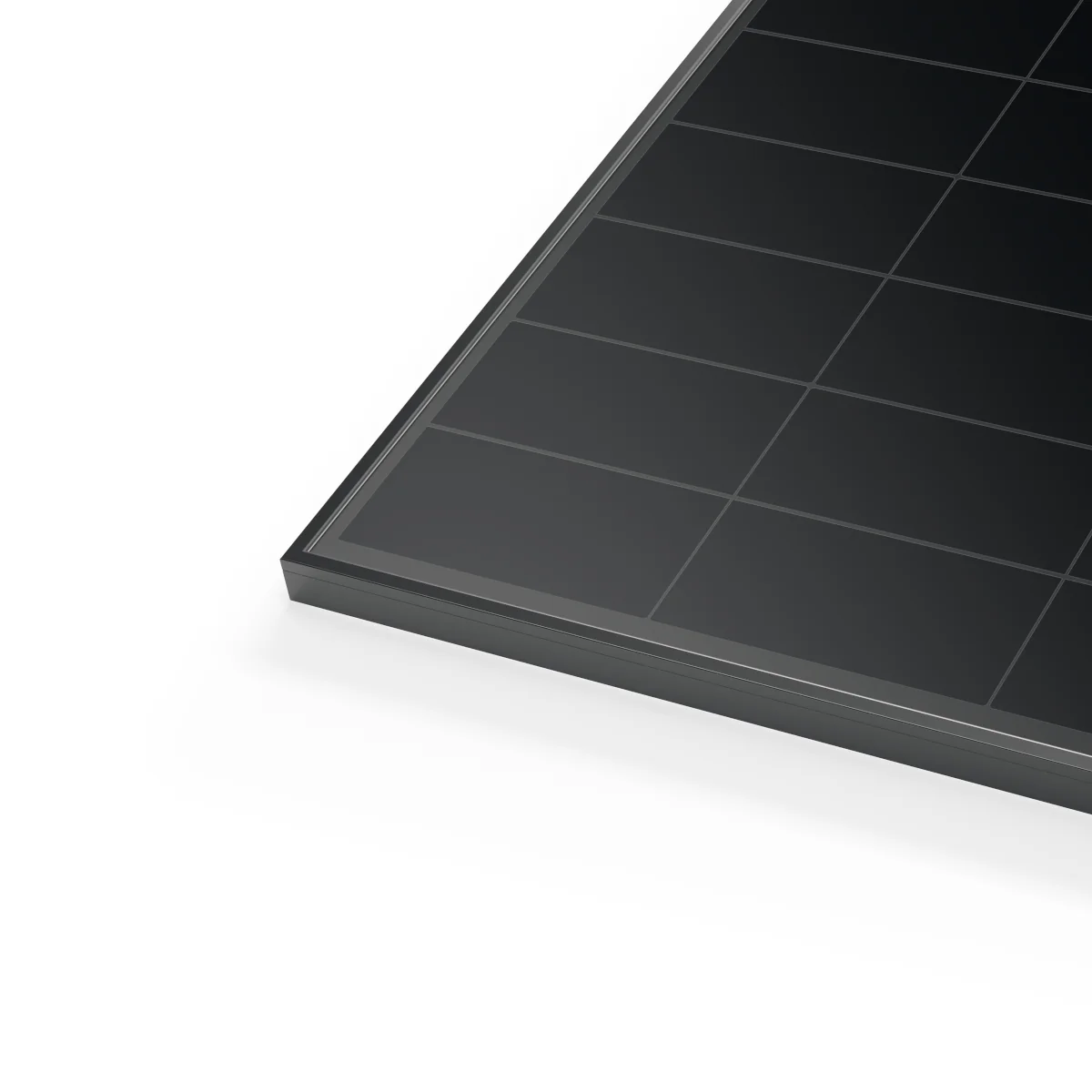
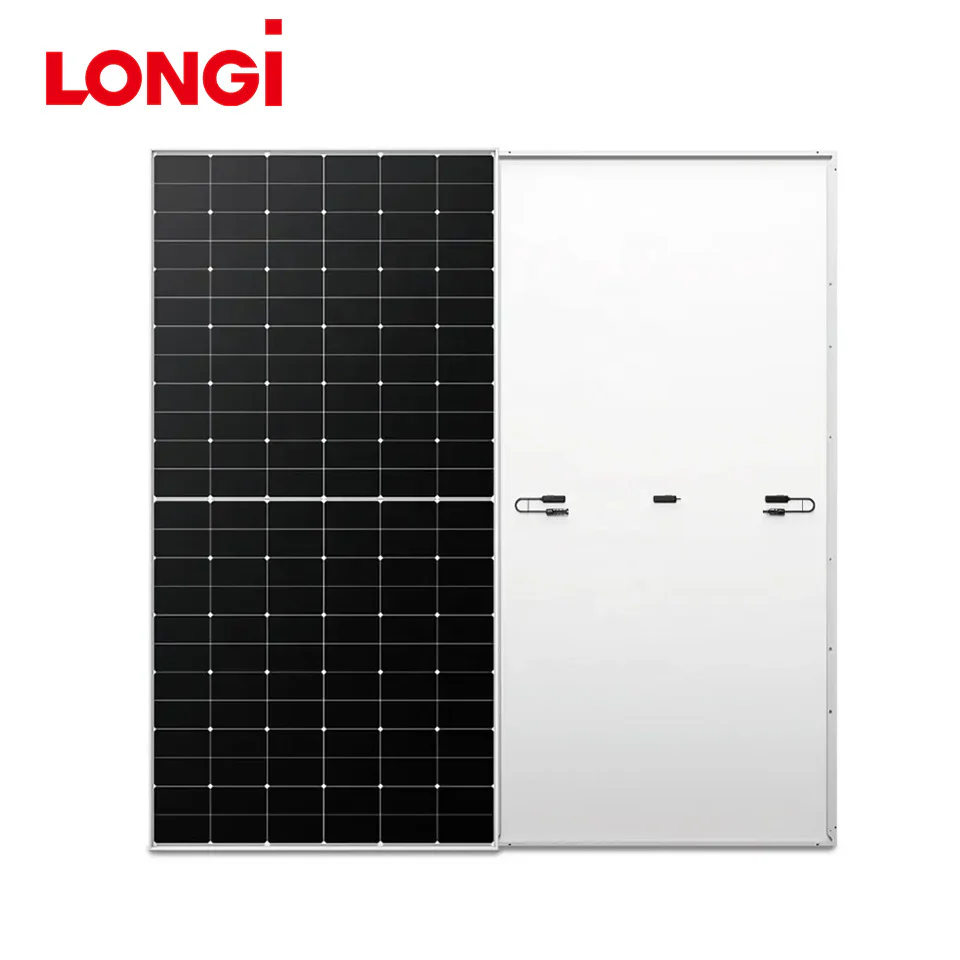
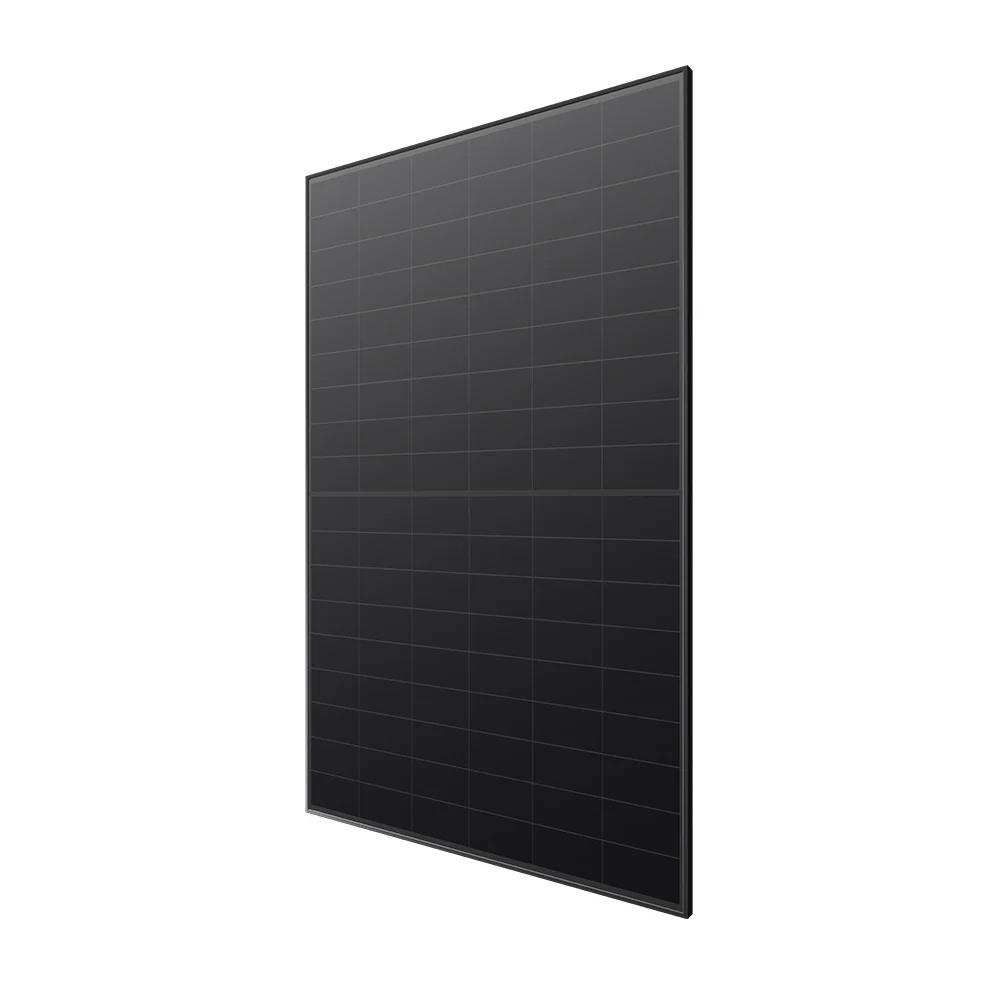
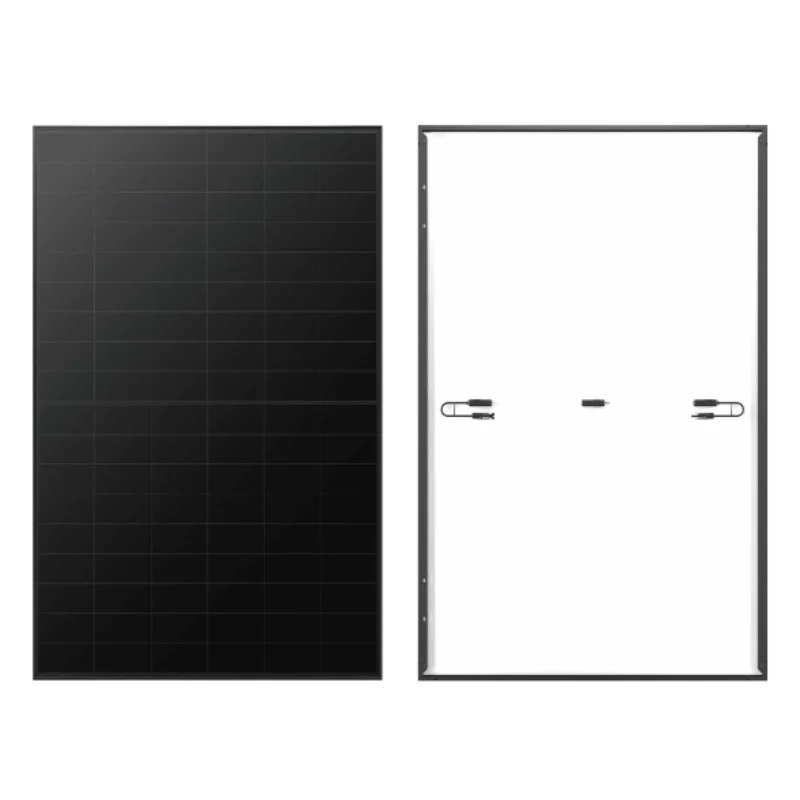
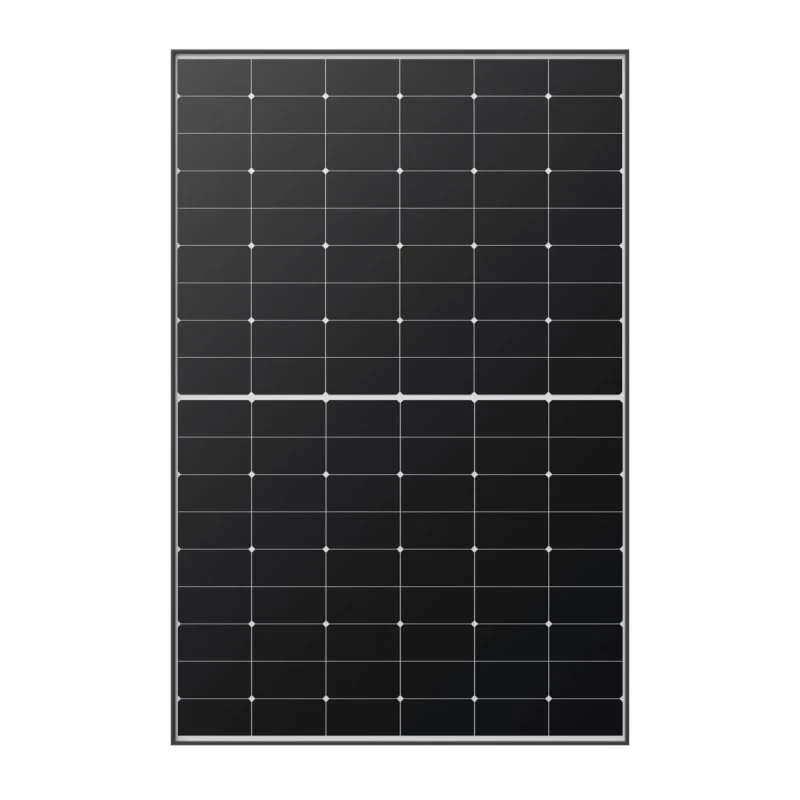
The LONGi Hi-MO X10 485W (LR7-54HVH-485M) is a residential and commercial N-type monocrystalline solar module featuring LONGi's second-generation HPBC 2.0 (Hybrid Passivated Back Contact) cell technology and the new TaiRay M11 wafer. At 23.8% module efficiency, a –0.26%/°C power temperature coefficient, and a built-in Shading Optimizer that bypasses only affected cells rather than full strings, the Hi-MO X10 is engineered to maximise annual yield on UK residential rooftops. The Zero Busbar (0BB) front design removes all metallic contact lines from the front face for a clean all-black aesthetic and increased active cell area. Black anodised aluminium frame, 3.2mm coated tempered glass, IP68-rated junction box, Stäubli MC4 EVO2 connectors. 15-year product warranty, 30-year linear power output warranty with first-year degradation below 1% and only 0.35%/year thereafter.

485 W
Peak power (STC)
23.8%
Module efficiency
–0.26%/°C
Temp. coefficient
30 years
Power warranty
1500 V
Max system voltage
Features & Benefits
✔ HPBC 2.0 — Bipolar Hybrid Passivation
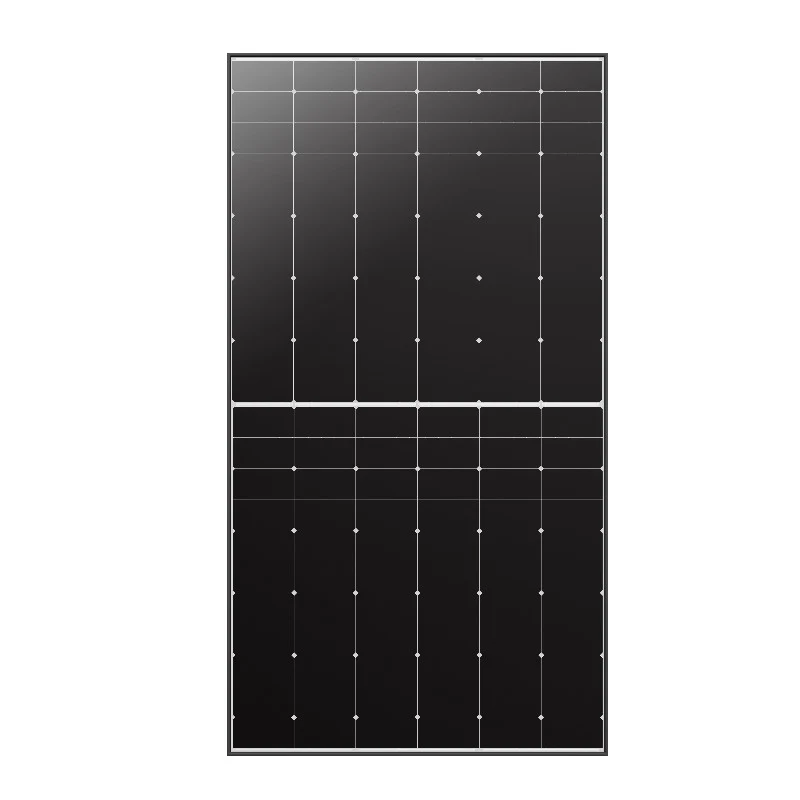
LONGi's second-generation back contact cell technology uses Bipolar Hybrid Passivation to raise individual cell voltage to 745mV — higher than conventional PERC or standard TOPCon cells. All electrical contacts are on the rear of the cell, eliminating front-side shading losses from busbars or fingers. The result is a higher conversion efficiency from the same incident light, and more watts per square metre of roof area — LONGi claim up to 5% more capacity from the same roof size compared to standard panels.
✔ Built-in Shading Optimizer
Conventional panels use bypass diodes that cut out an entire string of cells when one cell is shaded — losing a large portion of the panel's output. The Hi-MO X10's Shading Optimizer uses a soft-breakdown design to bypass only the shaded individual cells, allowing the unaffected cells to continue producing at full output. LONGi report this reduces localised overheating by 28%, lowers hotspot temperatures by up to 29°C versus conventional panels, and cuts power output loss by 70% compared to TOPCon modules under partial shading. This is particularly valuable on UK rooftops affected by chimney stacks, dormers, aerials, or surrounding trees.
✔ TaiRay M11 Wafer — 16% Stronger
The Hi-MO X10 uses LONGi's new M11 rectangular TaiRay wafer — thicker and more resilient than conventional wafers, with 16% greater mechanical bending strength. This significantly reduces the risk of microcracks during manufacturing, transport, and installation — hidden cracks that are invisible to the eye but degrade output over time. TaiRay wafers have a reduced impurity concentration and lower recombination losses, contributing to the panel's high efficiency and low degradation rate. Long-term field reliability is enhanced as a result.
✔ –0.26%/°C Temperature Coefficient
Solar panel output falls as cell temperature rises above 25°C (STC). The Hi-MO X10's temperature coefficient of –0.26%/°C is significantly better than standard PERC (~–0.34%/°C) and competitive with the best N-type TOPCon panels (~–0.30%/°C). On a warm UK summer day with cells at 50°C, this advantage translates to measurably more output compared to higher-coefficient alternatives — and LONGi note that watt-for-watt, the Hi-MO X10 delivers 3% more single-watt power generation than TOPCon under real-world temperature conditions.
✔ Zero Busbar (0BB) — All-Black Aesthetics
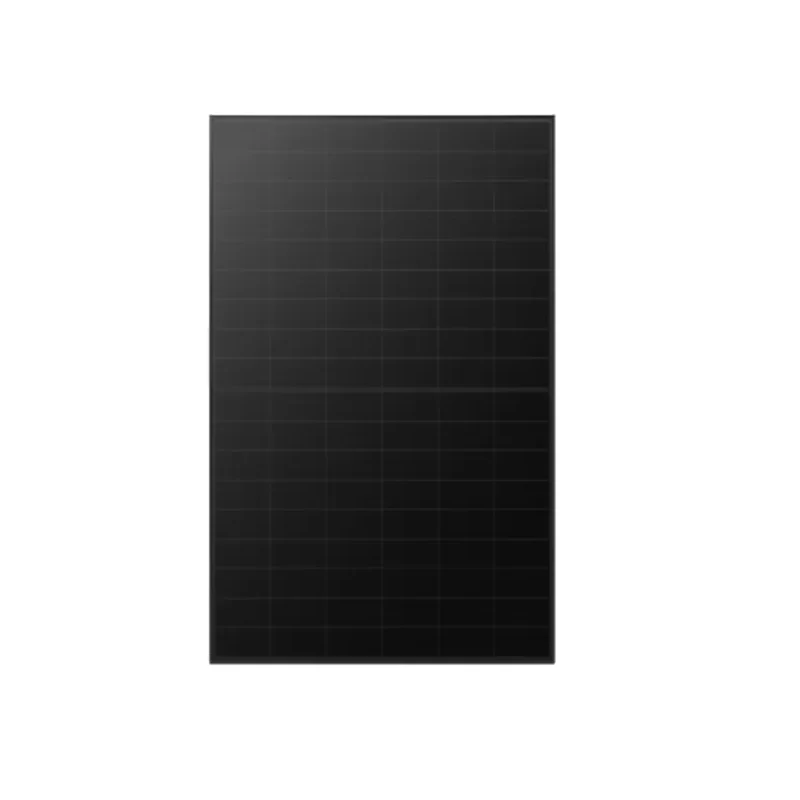
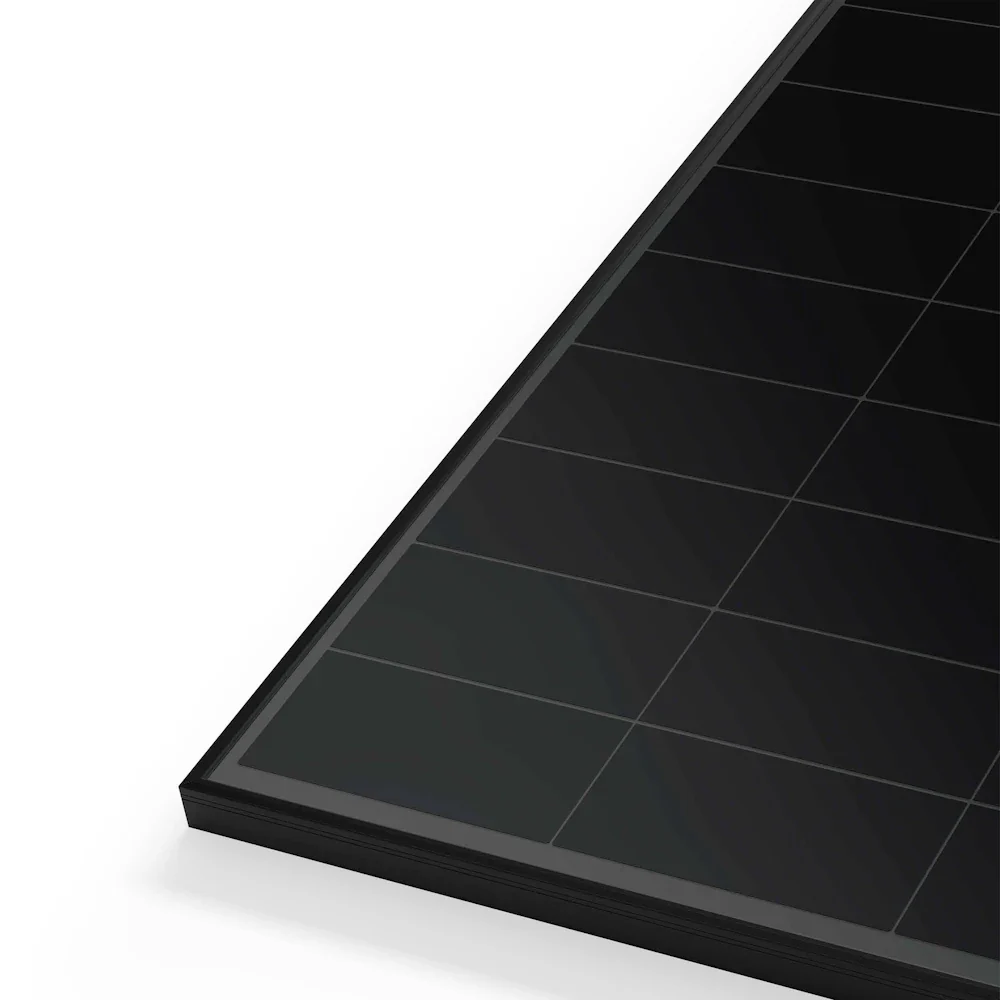
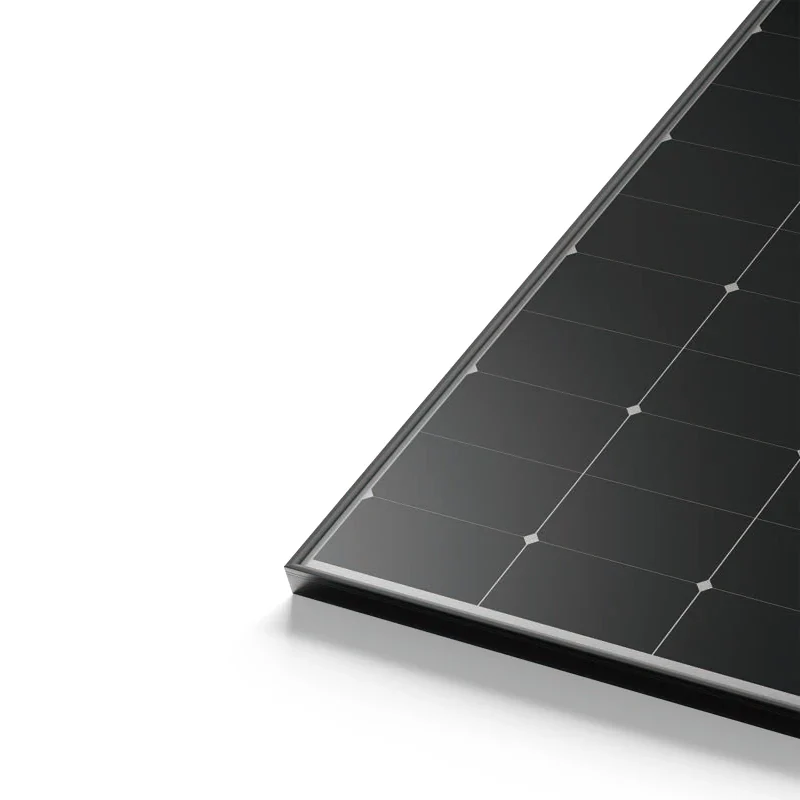
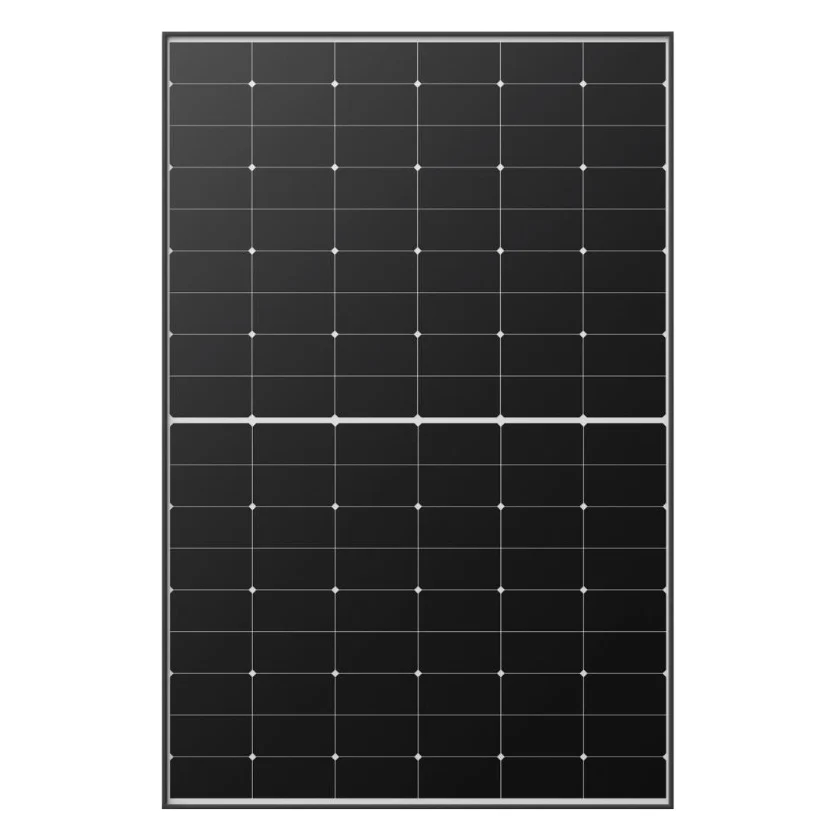
The 0BB (Zero Busbar) front design eliminates all metallic current-collection lines from the visible front face of the panel. No silver busbars, no fingers — just a uniform deep-black surface across the cell array. This creates a premium aesthetic suited to high-visibility rooftop positions. Beyond aesthetics, 0BB removes a source of shading loss (metallic lines block incident light) and reduces mechanical stress concentration points that can initiate cracks, contributing to long-term durability.
✔ Excellent Low-Light Performance
Back-contact cell architecture captures energy earlier in the morning and later in the evening than conventional front-contact designs. Because there are no front busbars blocking oblique-angle light, the cells respond more effectively to diffuse and low-angle irradiance — the dominant light condition in the UK outside of summer midday. Annual yield modelling consistently shows BC-cell panels outperforming equivalently rated PERC panels in real UK production data, particularly in autumn and winter months.
✔ <1% First Year, 0.35%/yr Thereafter
LONGi guarantee first-year power degradation below 1% and a maximum of 0.35% per year from year 2 through year 30 — reaching a guaranteed minimum of 88.85% of rated output at 30 years. This is among the lowest degradation rates available, ensuring the system's long-term energy output predictions remain accurate over its full operating life. The 30-year linear power warranty is backed by LONGi as manufacturer.
✔ Rugged Construction — 5400Pa Front Load
Front-side maximum static loading of 5,400Pa and rear-side 2,400Pa — suitable for high wind and snow load environments. Hailstone resistance tested to 25mm hailstone at 23 m/s. IP68-rated junction box with three diodes. 3.2mm coated tempered glass with anti-reflection coating. Operating temperature range –40°C to +85°C. IEC 61215 and IEC 61730 certified.
Electrical Specifications — LR7-54HVH-485M
Parameter STC (1000 W/m², 25°C) NOCT (800 W/m², 20°C)
Peak Power (Pmax) 485 W 369 W
Open Circuit Voltage (Voc) 40.40 V 38.39 V
Short Circuit Current (Isc) 15.23 A 12.24 A
Voltage at Max Power (Vmpp) 33.40 V 31.74 V
Current at Max Power (Impp) 14.53 A 11.65 A
Module Efficiency 23.8%

STC: AM1.5, 1000W/m², 25°C. NOCT: AM1.5, 800W/m², 20°C, 1m/s wind. Power output tolerance: 0 to +3%. Test uncertainty for Pmax: ±3%.

Mechanical & Ratings
Model / Part No. LR7-54HVH-485M
Cell Technology N-type monocrystalline HPBC 2.0, Zero Busbar (0BB)
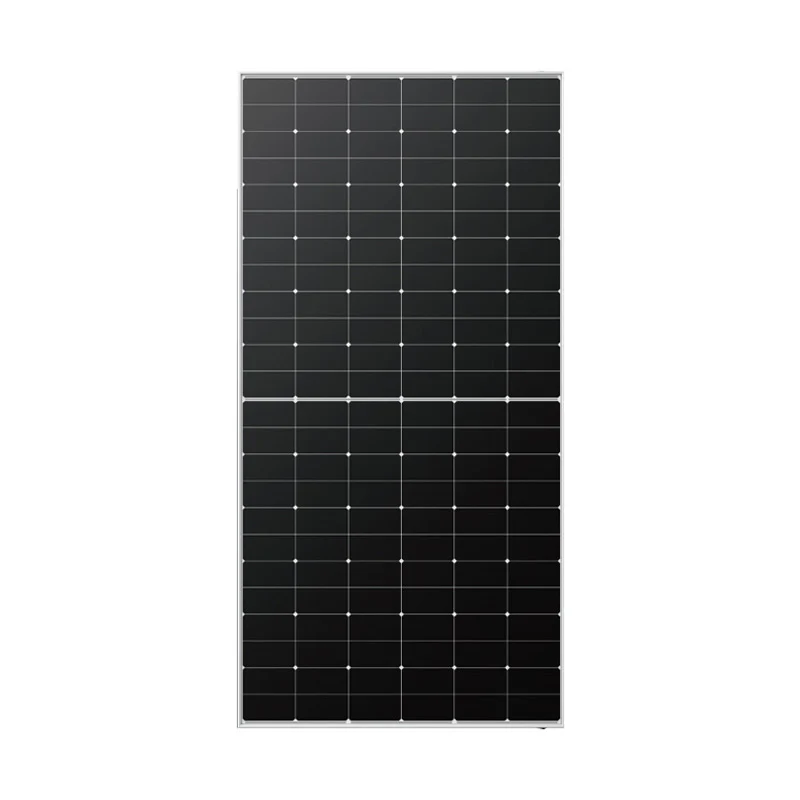
Cell Configuration 108 cells (6×18), TaiRay M11 wafer
Dimensions (L × W × H) 1,800 × 1,134 × 30 mm
Weight 21.6 kg
Frame Anodised aluminium alloy — black
Glass Single glass, 3.2mm coated tempered
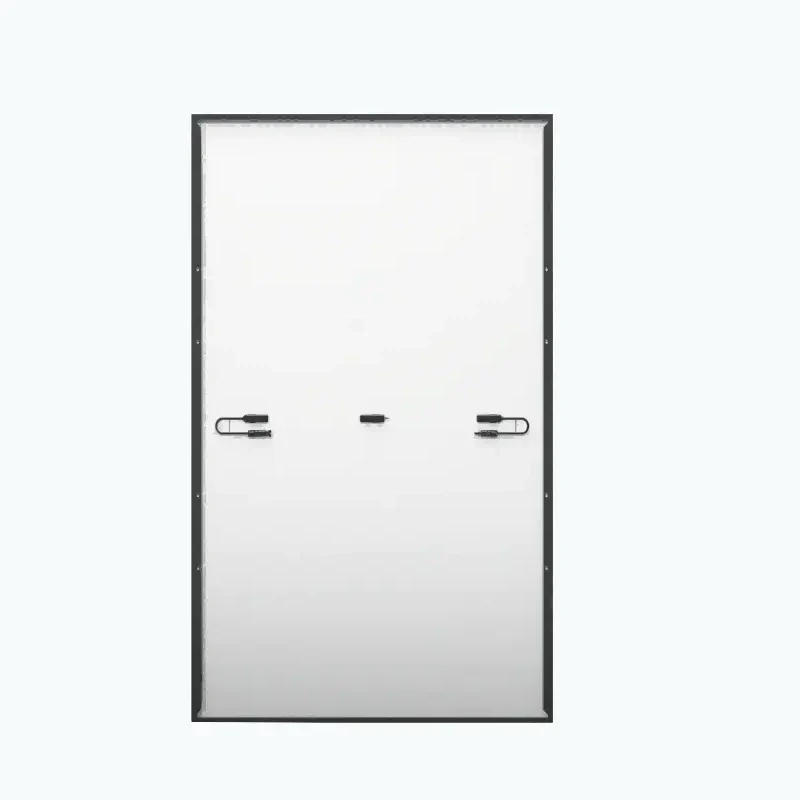
Junction Box IP68 — 3 diodes
Output Cable & Connectors 4mm², 1,200mm — Stäubli MC4 EVO2
Max System Voltage DC 1,500V (IEC)
Max Series Fuse 25A
NOCT 45°C ±2°C
Operating Temperature –40°C to +85°C
Front Load (static) 5,400 Pa
Rear Load (static) 2,400 Pa
Hailstone Resistance 25mm diameter at 23m/s
Fire Rating IEC Class C
Protection Class Class II
Certifications IEC 61215, IEC 61730, UL 61730; ISO 9001:2015; ISO 14001:2015; ISO 45001:2018; IEC 62941
Product Warranty 15 years
Power Output Warranty 30 years linear: <1% year 1 / 0.35%/yr years 2–30 / 88.85% at year 30
Pallet / Container 36 pcs/pallet · 216 pcs/20'GP · 864 pcs/40'HC
Temperature Coefficients
Power (Pmax) –0.260%/°C
Open Circuit Voltage (Voc) –0.200%/°C
Short Circuit Current (Isc) +0.050%/°C
Frequently Asked Questions
How does the Hi-MO X10 compare to the AIKO ABC panels?
Both use N-type back-contact cell architectures and are among the highest-efficiency residential modules available. The AIKO Neostar 2S (ABC technology) reaches slightly higher module efficiency (up to 23.6% at 465W in a similar format) with comparable temperature coefficients. The Hi-MO X10's key differentiator is the built-in Shading Optimizer — AIKO panels rely on standard bypass diodes, whereas the X10's cell-level soft-breakdown design provides substantially better partial-shade performance. For rooftops with any degree of shading influence, the Hi-MO X10 is the stronger choice; on a completely unobstructed south-facing roof the efficiency gap is marginal.
Is this module MCS-eligible for the SEG and BUS grants?
LONGi Hi-MO X10 modules are listed on the MCS Product Characteristics Database (PCD), which is the requirement for UK MCS-certified solar PV installations eligible for the Smart Export Guarantee (SEG) and associated grant schemes. Your MCS-certified installer will confirm the specific MCS reference for the module being supplied at the time of installation, as listings are periodically updated. Always request confirmation that the module is on the current PCD before proceeding with a grant-funded installation.
What inverters are compatible?
The LR7-54HVH-485M has a maximum system voltage of 1,500V DC (IEC), making it compatible with the full range of modern residential string inverters (Solis, Sunsynk, SolarEdge, Fox ESS, Sungrow, Fronius, and others). With a Vmpp of 33.40V, string sizing should be calculated to keep the total string Voc (at minimum expected temperature) below the inverter's maximum input voltage. At 15.23A Isc, standard 25A fusing is adequate. The Stäubli MC4 EVO2 connectors are compatible with all current MC4-format inverter string connectors.
$201.10
LONGi Hi-MO X10 485W HPBC 2.0 N-Type Solar Module Black Frame — LR7-54HVH-485M — 23.8% Efficiency
$201.10

More Images

LONGi Hi-MO X10 485W HPBC 2.0 N-Type Solar Module Black Frame — LR7-54HVH-485M — 23.8% Efficiency - Image 2

LONGi Hi-MO X10 485W HPBC 2.0 N-Type Solar Module Black Frame — LR7-54HVH-485M — 23.8% Efficiency

The LONGi Hi-MO X10 485W (LR7-54HVH-485M) is a residential and commercial N-type monocrystalline solar module featuring LONGi's second-generation HPBC 2.0 (Hybrid Passivated Back Contact) cell technology and the new TaiRay M11 wafer. At 23.8% module efficiency, a –0.26%/°C power temperature coefficient, and a built-in Shading Optimizer that bypasses only affected cells rather than full strings, the Hi-MO X10 is engineered to maximise annual yield on UK residential rooftops. The Zero Busbar (0BB) front design removes all metallic contact lines from the front face for a clean all-black aesthetic and increased active cell area. Black anodised aluminium frame, 3.2mm coated tempered glass, IP68-rated junction box, Stäubli MC4 EVO2 connectors. 15-year product warranty, 30-year linear power output warranty with first-year degradation below 1% and only 0.35%/year thereafter.

485 W
Peak power (STC)
23.8%
Module efficiency
–0.26%/°C
Temp. coefficient
30 years
Power warranty
1500 V
Max system voltage
Features & Benefits
✔ HPBC 2.0 — Bipolar Hybrid Passivation
LONGi's second-generation back contact cell technology uses Bipolar Hybrid Passivation to raise individual cell voltage to 745mV — higher than conventional PERC or standard TOPCon cells. All electrical contacts are on the rear of the cell, eliminating front-side shading losses from busbars or fingers. The result is a higher conversion efficiency from the same incident light, and more watts per square metre of roof area — LONGi claim up to 5% more capacity from the same roof size compared to standard panels.
✔ Built-in Shading Optimizer
Conventional panels use bypass diodes that cut out an entire string of cells when one cell is shaded — losing a large portion of the panel's output. The Hi-MO X10's Shading Optimizer uses a soft-breakdown design to bypass only the shaded individual cells, allowing the unaffected cells to continue producing at full output. LONGi report this reduces localised overheating by 28%, lowers hotspot temperatures by up to 29°C versus conventional panels, and cuts power output loss by 70% compared to TOPCon modules under partial shading. This is particularly valuable on UK rooftops affected by chimney stacks, dormers, aerials, or surrounding trees.
✔ TaiRay M11 Wafer — 16% Stronger
The Hi-MO X10 uses LONGi's new M11 rectangular TaiRay wafer — thicker and more resilient than conventional wafers, with 16% greater mechanical bending strength. This significantly reduces the risk of microcracks during manufacturing, transport, and installation — hidden cracks that are invisible to the eye but degrade output over time. TaiRay wafers have a reduced impurity concentration and lower recombination losses, contributing to the panel's high efficiency and low degradation rate. Long-term field reliability is enhanced as a result.
✔ –0.26%/°C Temperature Coefficient
Solar panel output falls as cell temperature rises above 25°C (STC). The Hi-MO X10's temperature coefficient of –0.26%/°C is significantly better than standard PERC (~–0.34%/°C) and competitive with the best N-type TOPCon panels (~–0.30%/°C). On a warm UK summer day with cells at 50°C, this advantage translates to measurably more output compared to higher-coefficient alternatives — and LONGi note that watt-for-watt, the Hi-MO X10 delivers 3% more single-watt power generation than TOPCon under real-world temperature conditions.
✔ Zero Busbar (0BB) — All-Black Aesthetics
The 0BB (Zero Busbar) front design eliminates all metallic current-collection lines from the visible front face of the panel. No silver busbars, no fingers — just a uniform deep-black surface across the cell array. This creates a premium aesthetic suited to high-visibility rooftop positions. Beyond aesthetics, 0BB removes a source of shading loss (metallic lines block incident light) and reduces mechanical stress concentration points that can initiate cracks, contributing to long-term durability.
✔ Excellent Low-Light Performance
Back-contact cell architecture captures energy earlier in the morning and later in the evening than conventional front-contact designs. Because there are no front busbars blocking oblique-angle light, the cells respond more effectively to diffuse and low-angle irradiance — the dominant light condition in the UK outside of summer midday. Annual yield modelling consistently shows BC-cell panels outperforming equivalently rated PERC panels in real UK production data, particularly in autumn and winter months.
✔ <1% First Year, 0.35%/yr Thereafter
LONGi guarantee first-year power degradation below 1% and a maximum of 0.35% per year from year 2 through year 30 — reaching a guaranteed minimum of 88.85% of rated output at 30 years. This is among the lowest degradation rates available, ensuring the system's long-term energy output predictions remain accurate over its full operating life. The 30-year linear power warranty is backed by LONGi as manufacturer.
✔ Rugged Construction — 5400Pa Front Load
Front-side maximum static loading of 5,400Pa and rear-side 2,400Pa — suitable for high wind and snow load environments. Hailstone resistance tested to 25mm hailstone at 23 m/s. IP68-rated junction box with three diodes. 3.2mm coated tempered glass with anti-reflection coating. Operating temperature range –40°C to +85°C. IEC 61215 and IEC 61730 certified.
Electrical Specifications — LR7-54HVH-485M
Parameter STC (1000 W/m², 25°C) NOCT (800 W/m², 20°C)
Peak Power (Pmax) 485 W 369 W
Open Circuit Voltage (Voc) 40.40 V 38.39 V
Short Circuit Current (Isc) 15.23 A 12.24 A
Voltage at Max Power (Vmpp) 33.40 V 31.74 V
Current at Max Power (Impp) 14.53 A 11.65 A
Module Efficiency 23.8%

STC: AM1.5, 1000W/m², 25°C. NOCT: AM1.5, 800W/m², 20°C, 1m/s wind. Power output tolerance: 0 to +3%. Test uncertainty for Pmax: ±3%.

Mechanical & Ratings
Model / Part No. LR7-54HVH-485M
Cell Technology N-type monocrystalline HPBC 2.0, Zero Busbar (0BB)
Cell Configuration 108 cells (6×18), TaiRay M11 wafer
Dimensions (L × W × H) 1,800 × 1,134 × 30 mm
Weight 21.6 kg
Frame Anodised aluminium alloy — black
Glass Single glass, 3.2mm coated tempered
Junction Box IP68 — 3 diodes
Output Cable & Connectors 4mm², 1,200mm — Stäubli MC4 EVO2
Max System Voltage DC 1,500V (IEC)
Max Series Fuse 25A
NOCT 45°C ±2°C
Operating Temperature –40°C to +85°C
Front Load (static) 5,400 Pa
Rear Load (static) 2,400 Pa
Hailstone Resistance 25mm diameter at 23m/s
Fire Rating IEC Class C
Protection Class Class II
Certifications IEC 61215, IEC 61730, UL 61730; ISO 9001:2015; ISO 14001:2015; ISO 45001:2018; IEC 62941
Product Warranty 15 years
Power Output Warranty 30 years linear: <1% year 1 / 0.35%/yr years 2–30 / 88.85% at year 30
Pallet / Container 36 pcs/pallet · 216 pcs/20'GP · 864 pcs/40'HC
Temperature Coefficients
Power (Pmax) –0.260%/°C
Open Circuit Voltage (Voc) –0.200%/°C
Short Circuit Current (Isc) +0.050%/°C
Frequently Asked Questions
How does the Hi-MO X10 compare to the AIKO ABC panels?
Both use N-type back-contact cell architectures and are among the highest-efficiency residential modules available. The AIKO Neostar 2S (ABC technology) reaches slightly higher module efficiency (up to 23.6% at 465W in a similar format) with comparable temperature coefficients. The Hi-MO X10's key differentiator is the built-in Shading Optimizer — AIKO panels rely on standard bypass diodes, whereas the X10's cell-level soft-breakdown design provides substantially better partial-shade performance. For rooftops with any degree of shading influence, the Hi-MO X10 is the stronger choice; on a completely unobstructed south-facing roof the efficiency gap is marginal.
Is this module MCS-eligible for the SEG and BUS grants?
LONGi Hi-MO X10 modules are listed on the MCS Product Characteristics Database (PCD), which is the requirement for UK MCS-certified solar PV installations eligible for the Smart Export Guarantee (SEG) and associated grant schemes. Your MCS-certified installer will confirm the specific MCS reference for the module being supplied at the time of installation, as listings are periodically updated. Always request confirmation that the module is on the current PCD before proceeding with a grant-funded installation.
What inverters are compatible?
The LR7-54HVH-485M has a maximum system voltage of 1,500V DC (IEC), making it compatible with the full range of modern residential string inverters (Solis, Sunsynk, SolarEdge, Fox ESS, Sungrow, Fronius, and others). With a Vmpp of 33.40V, string sizing should be calculated to keep the total string Voc (at minimum expected temperature) below the inverter's maximum input voltage. At 15.23A Isc, standard 25A fusing is adequate. The Stäubli MC4 EVO2 connectors are compatible with all current MC4-format inverter string connectors.

Product Information

Shipping & Returns

Description

The LONGi Hi-MO X10 485W (LR7-54HVH-485M) is a residential and commercial N-type monocrystalline solar module featuring LONGi's second-generation HPBC 2.0 (Hybrid Passivated Back Contact) cell technology and the new TaiRay M11 wafer. At 23.8% module efficiency, a –0.26%/°C power temperature coefficient, and a built-in Shading Optimizer that bypasses only affected cells rather than full strings, the Hi-MO X10 is engineered to maximise annual yield on UK residential rooftops. The Zero Busbar (0BB) front design removes all metallic contact lines from the front face for a clean all-black aesthetic and increased active cell area. Black anodised aluminium frame, 3.2mm coated tempered glass, IP68-rated junction box, Stäubli MC4 EVO2 connectors. 15-year product warranty, 30-year linear power output warranty with first-year degradation below 1% and only 0.35%/year thereafter.

485 W
Peak power (STC)
23.8%
Module efficiency
–0.26%/°C
Temp. coefficient
30 years
Power warranty
1500 V
Max system voltage
Features & Benefits
✔ HPBC 2.0 — Bipolar Hybrid Passivation
LONGi's second-generation back contact cell technology uses Bipolar Hybrid Passivation to raise individual cell voltage to 745mV — higher than conventional PERC or standard TOPCon cells. All electrical contacts are on the rear of the cell, eliminating front-side shading losses from busbars or fingers. The result is a higher conversion efficiency from the same incident light, and more watts per square metre of roof area — LONGi claim up to 5% more capacity from the same roof size compared to standard panels.
✔ Built-in Shading Optimizer
Conventional panels use bypass diodes that cut out an entire string of cells when one cell is shaded — losing a large portion of the panel's output. The Hi-MO X10's Shading Optimizer uses a soft-breakdown design to bypass only the shaded individual cells, allowing the unaffected cells to continue producing at full output. LONGi report this reduces localised overheating by 28%, lowers hotspot temperatures by up to 29°C versus conventional panels, and cuts power output loss by 70% compared to TOPCon modules under partial shading. This is particularly valuable on UK rooftops affected by chimney stacks, dormers, aerials, or surrounding trees.
✔ TaiRay M11 Wafer — 16% Stronger
The Hi-MO X10 uses LONGi's new M11 rectangular TaiRay wafer — thicker and more resilient than conventional wafers, with 16% greater mechanical bending strength. This significantly reduces the risk of microcracks during manufacturing, transport, and installation — hidden cracks that are invisible to the eye but degrade output over time. TaiRay wafers have a reduced impurity concentration and lower recombination losses, contributing to the panel's high efficiency and low degradation rate. Long-term field reliability is enhanced as a result.
✔ –0.26%/°C Temperature Coefficient
Solar panel output falls as cell temperature rises above 25°C (STC). The Hi-MO X10's temperature coefficient of –0.26%/°C is significantly better than standard PERC (~–0.34%/°C) and competitive with the best N-type TOPCon panels (~–0.30%/°C). On a warm UK summer day with cells at 50°C, this advantage translates to measurably more output compared to higher-coefficient alternatives — and LONGi note that watt-for-watt, the Hi-MO X10 delivers 3% more single-watt power generation than TOPCon under real-world temperature conditions.
✔ Zero Busbar (0BB) — All-Black Aesthetics
The 0BB (Zero Busbar) front design eliminates all metallic current-collection lines from the visible front face of the panel. No silver busbars, no fingers — just a uniform deep-black surface across the cell array. This creates a premium aesthetic suited to high-visibility rooftop positions. Beyond aesthetics, 0BB removes a source of shading loss (metallic lines block incident light) and reduces mechanical stress concentration points that can initiate cracks, contributing to long-term durability.
✔ Excellent Low-Light Performance
Back-contact cell architecture captures energy earlier in the morning and later in the evening than conventional front-contact designs. Because there are no front busbars blocking oblique-angle light, the cells respond more effectively to diffuse and low-angle irradiance — the dominant light condition in the UK outside of summer midday. Annual yield modelling consistently shows BC-cell panels outperforming equivalently rated PERC panels in real UK production data, particularly in autumn and winter months.
✔ <1% First Year, 0.35%/yr Thereafter
LONGi guarantee first-year power degradation below 1% and a maximum of 0.35% per year from year 2 through year 30 — reaching a guaranteed minimum of 88.85% of rated output at 30 years. This is among the lowest degradation rates available, ensuring the system's long-term energy output predictions remain accurate over its full operating life. The 30-year linear power warranty is backed by LONGi as manufacturer.
✔ Rugged Construction — 5400Pa Front Load
Front-side maximum static loading of 5,400Pa and rear-side 2,400Pa — suitable for high wind and snow load environments. Hailstone resistance tested to 25mm hailstone at 23 m/s. IP68-rated junction box with three diodes. 3.2mm coated tempered glass with anti-reflection coating. Operating temperature range –40°C to +85°C. IEC 61215 and IEC 61730 certified.
Electrical Specifications — LR7-54HVH-485M
Parameter STC (1000 W/m², 25°C) NOCT (800 W/m², 20°C)
Peak Power (Pmax) 485 W 369 W
Open Circuit Voltage (Voc) 40.40 V 38.39 V
Short Circuit Current (Isc) 15.23 A 12.24 A
Voltage at Max Power (Vmpp) 33.40 V 31.74 V
Current at Max Power (Impp) 14.53 A 11.65 A
Module Efficiency 23.8%

STC: AM1.5, 1000W/m², 25°C. NOCT: AM1.5, 800W/m², 20°C, 1m/s wind. Power output tolerance: 0 to +3%. Test uncertainty for Pmax: ±3%.

Mechanical & Ratings
Model / Part No. LR7-54HVH-485M
Cell Technology N-type monocrystalline HPBC 2.0, Zero Busbar (0BB)
Cell Configuration 108 cells (6×18), TaiRay M11 wafer
Dimensions (L × W × H) 1,800 × 1,134 × 30 mm
Weight 21.6 kg
Frame Anodised aluminium alloy — black
Glass Single glass, 3.2mm coated tempered
Junction Box IP68 — 3 diodes
Output Cable & Connectors 4mm², 1,200mm — Stäubli MC4 EVO2
Max System Voltage DC 1,500V (IEC)
Max Series Fuse 25A
NOCT 45°C ±2°C
Operating Temperature –40°C to +85°C
Front Load (static) 5,400 Pa
Rear Load (static) 2,400 Pa
Hailstone Resistance 25mm diameter at 23m/s
Fire Rating IEC Class C
Protection Class Class II
Certifications IEC 61215, IEC 61730, UL 61730; ISO 9001:2015; ISO 14001:2015; ISO 45001:2018; IEC 62941
Product Warranty 15 years
Power Output Warranty 30 years linear: <1% year 1 / 0.35%/yr years 2–30 / 88.85% at year 30
Pallet / Container 36 pcs/pallet · 216 pcs/20'GP · 864 pcs/40'HC
Temperature Coefficients
Power (Pmax) –0.260%/°C
Open Circuit Voltage (Voc) –0.200%/°C
Short Circuit Current (Isc) +0.050%/°C
Frequently Asked Questions
How does the Hi-MO X10 compare to the AIKO ABC panels?
Both use N-type back-contact cell architectures and are among the highest-efficiency residential modules available. The AIKO Neostar 2S (ABC technology) reaches slightly higher module efficiency (up to 23.6% at 465W in a similar format) with comparable temperature coefficients. The Hi-MO X10's key differentiator is the built-in Shading Optimizer — AIKO panels rely on standard bypass diodes, whereas the X10's cell-level soft-breakdown design provides substantially better partial-shade performance. For rooftops with any degree of shading influence, the Hi-MO X10 is the stronger choice; on a completely unobstructed south-facing roof the efficiency gap is marginal.
Is this module MCS-eligible for the SEG and BUS grants?
LONGi Hi-MO X10 modules are listed on the MCS Product Characteristics Database (PCD), which is the requirement for UK MCS-certified solar PV installations eligible for the Smart Export Guarantee (SEG) and associated grant schemes. Your MCS-certified installer will confirm the specific MCS reference for the module being supplied at the time of installation, as listings are periodically updated. Always request confirmation that the module is on the current PCD before proceeding with a grant-funded installation.
What inverters are compatible?
The LR7-54HVH-485M has a maximum system voltage of 1,500V DC (IEC), making it compatible with the full range of modern residential string inverters (Solis, Sunsynk, SolarEdge, Fox ESS, Sungrow, Fronius, and others). With a Vmpp of 33.40V, string sizing should be calculated to keep the total string Voc (at minimum expected temperature) below the inverter's maximum input voltage. At 15.23A Isc, standard 25A fusing is adequate. The Stäubli MC4 EVO2 connectors are compatible with all current MC4-format inverter string connectors.