✨ New Arrivals Just Dropped!Explore
SolarEdge EV Charger 22kW 3-Phase Socket Type 2 RFID MID UK
HomeStore

SolarEdge EV Charger 22kW 3-Phase Socket Type 2 RFID MID UK

SolarEdge EV Charger 22kW 3-Phase Socket Type 2 RFID MID UK

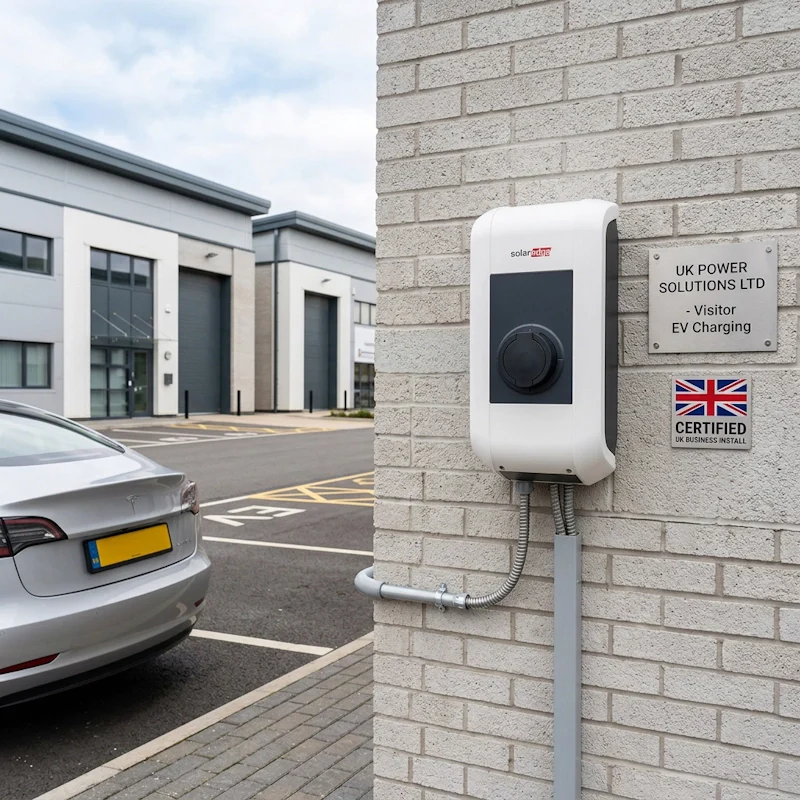
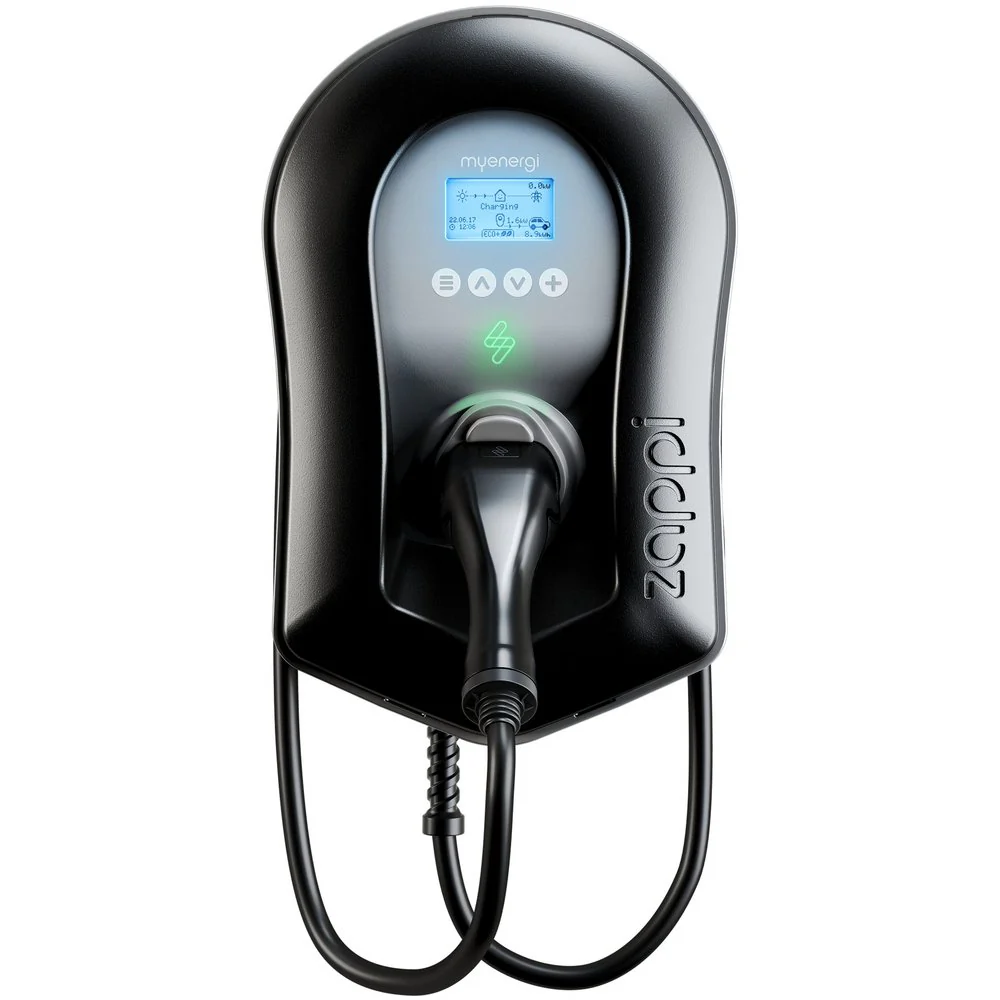
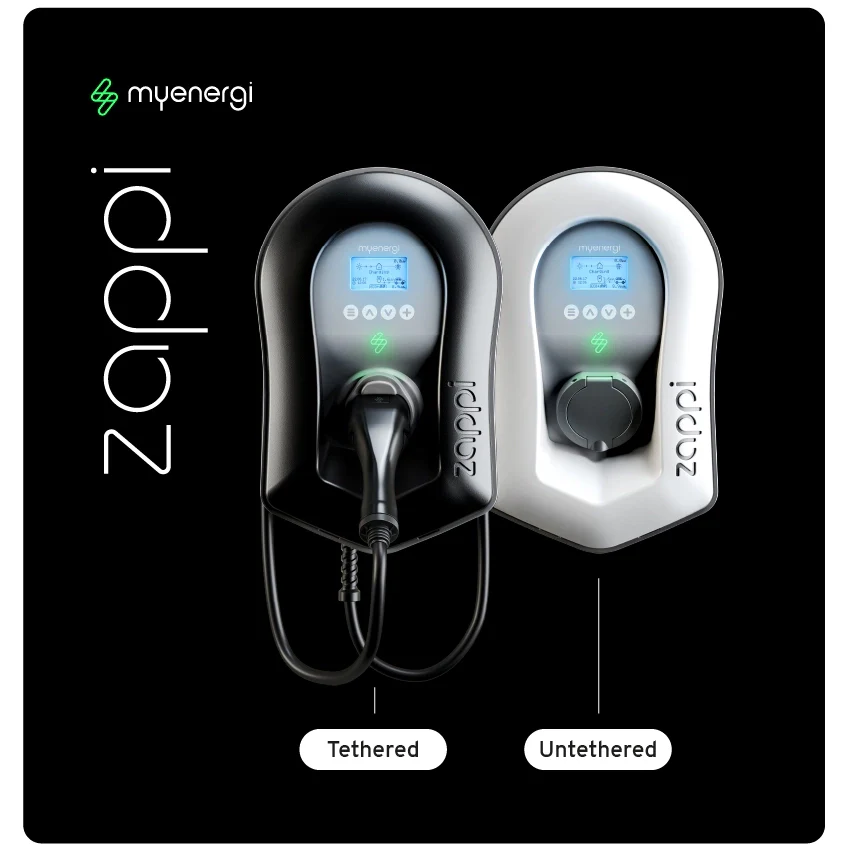
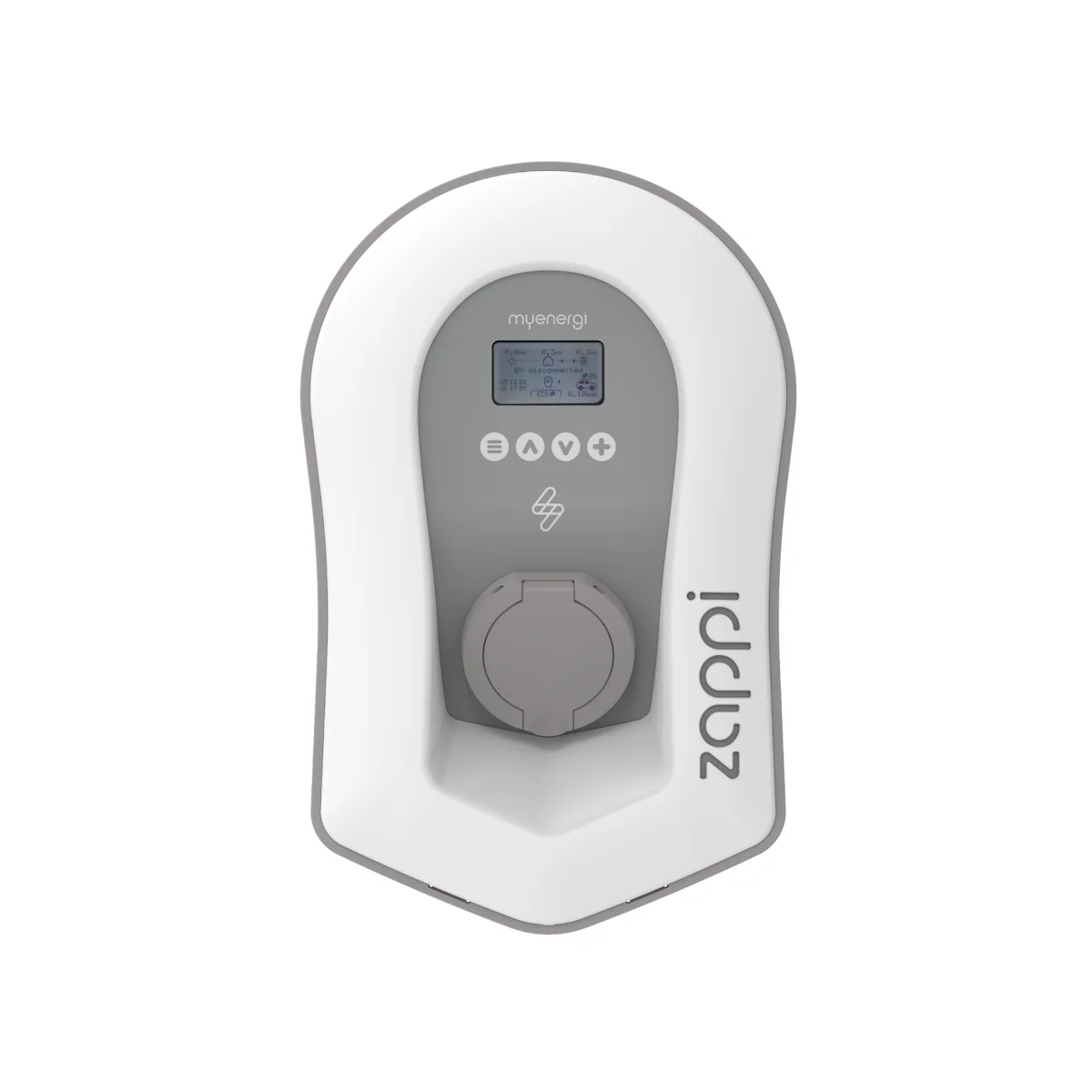
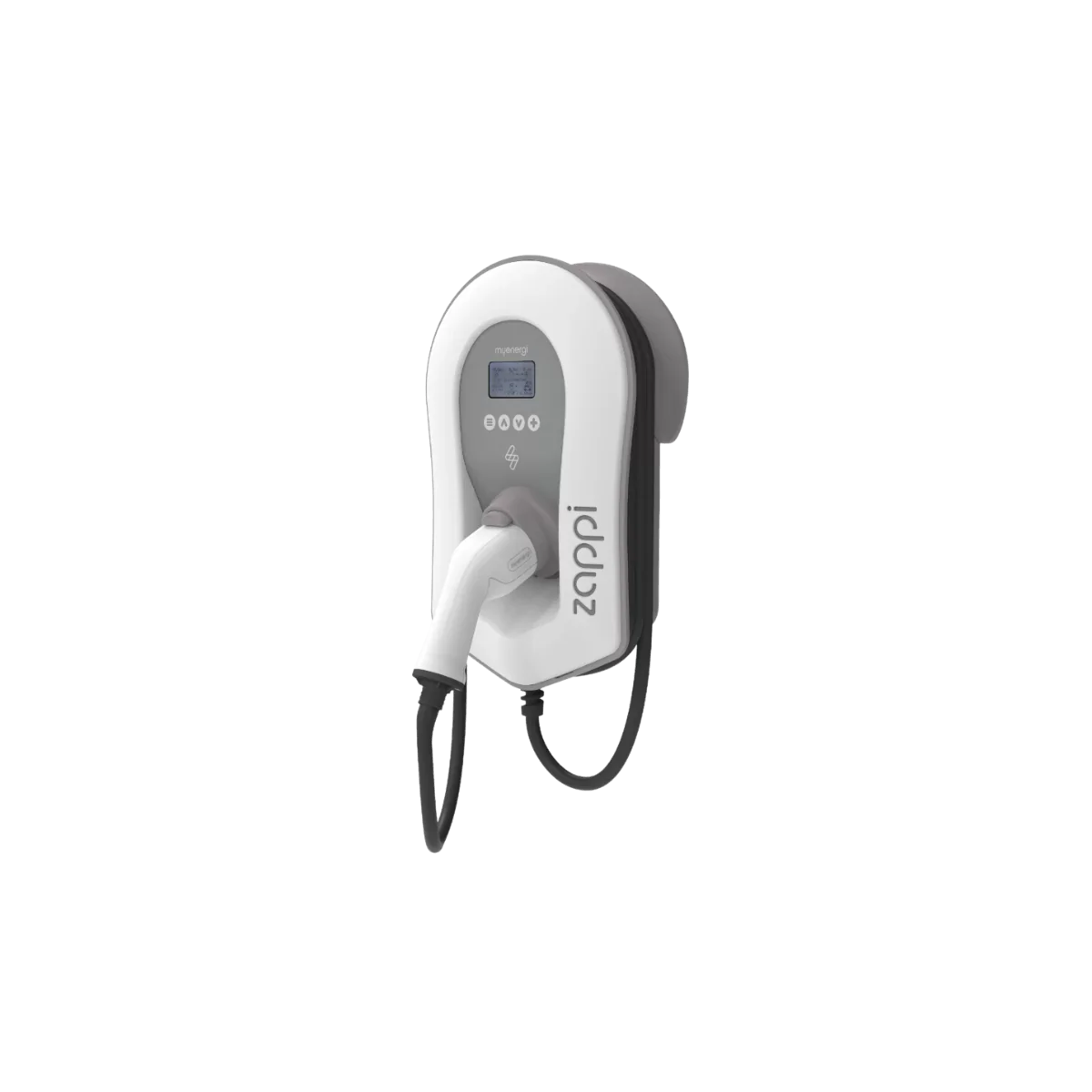
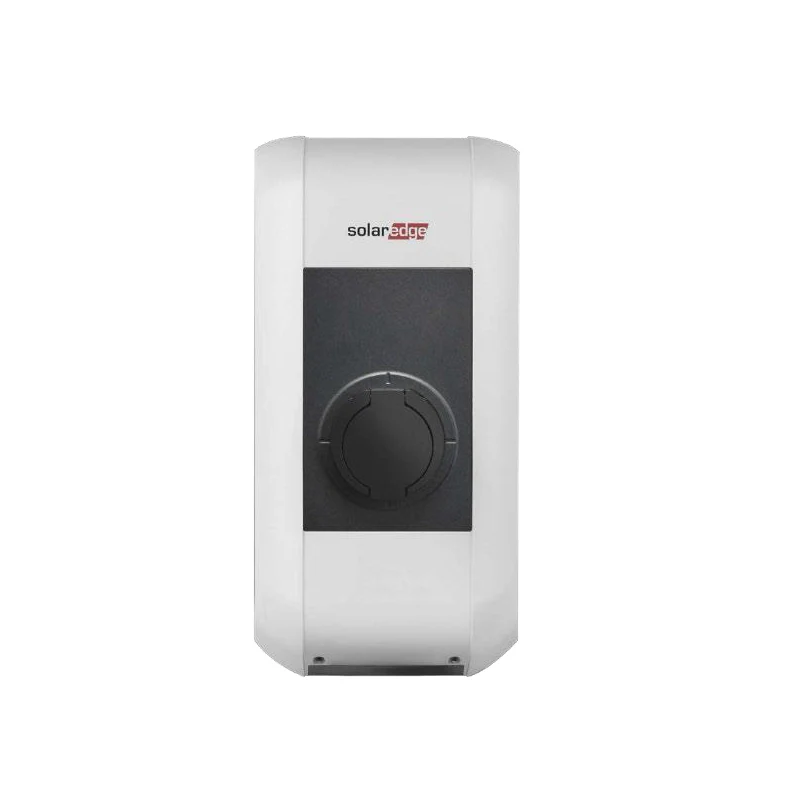
The SolarEdge EV Charger 22kW 3-Phase (SE-EVK22URM-01) is a smart untethered three-phase EV charger with a Type 2 socket, integrating directly with the SolarEdge Home ecosystem. It delivers up to 22 kW on three-phase supplies (configurable from 10 A to 32 A per phase), and adds RFID card authentication and a MID-certified energy meter — making it suitable for shared or commercial-residential locations, landlord reimbursement schemes, and OLEV/OZEV workplace charging installations where legal metering is required. As with the single-phase model, it enables solar-optimised charging, scheduling via the mySolarEdge app, and G100 Issue 2 Amendment 2 compliance.

22 kW
Max output (3PH)
Type 2
Socket (untethered)
RFID
Card authentication
MID
Certified meter
G100
Issue 2 Amend. 2
⚠ Installer Note — A 3-phase supply and 3-phase circuit are required for 22 kW output. Installation must be carried out by a qualified electrician registered with a competent persons scheme. A G99 application to your DNO may be required for 3-phase installations. G100 compliance requires Ethernet connection to the same router as the SolarEdge inverter. EV charger cable (Type 2, EV side) must be provided separately by the vehicle owner.
⚡ Compatibility — Compatible with all SolarEdge SetApp-enabled residential inverters up to SE15K, excluding the Single Phase Inverter with Compact Technology. Requires a SolarEdge inverter and energy meter (or Backup Interface) for G100 compliance. Maximum 1 charger per inverter. The unit is an untethered socket — users supply their own Mode 3 Type 2 cable. Note: on a single-phase supply, maximum output is limited to 7.4 kW regardless of charger rating.
Technical Specifications
Part Number SE-EVK22URM-01
Rated AC Power Output Up to 22 kW (3-phase) / up to 7.4 kW (1-phase)
Rated Current (configurable) 10 / 13 / 16 / 20 / 25 / 32 A (per phase)
Nominal AC Output Voltage 3 × 230 / 400 V (three phase)
Line Frequency 50 Hz
Mains Forms TT / TN / IT
Charge Mode Mode 3 — IEC 61851-1 AC charging
Socket / Connector Type 2 socket (EN 62196-1, VDE-AR-E 2623-2-2) — untethered, up to 32 A / 400 V AC
Supply Cable — Minimum (16 A) 5 × 2.5 mm²
Supply Cable — Minimum (32 A) 5 × 6.0 mm²
Protection Class (IP) IP54
Mechanical Impact (IK) IK10
Internal Consumption Idle: 4 W / Plugged in: 5 W / Charging: 7 W
Communication Ethernet (LSA+ terminals or RJ45), Wi-Fi 802.11 b/g/n 2.4 GHz
RFID Authentication Yes — MIFARE card/tag, ISO 14443 or ISO 15693, 13.56 MHz
MID Meter Yes — Accuracy Class B, EN 50470-1/-3
Tamper Protection SolarEdge Tampering Alert System
OCPP SolarEdge OCPP pre-configured
G100 Compliance Issue 2 Amendment 2 — requires Ethernet to inverter + energy meter or Backup Interface
Operating Temperature (@16 A) –25°C to +50°C (no direct sunlight)
Operating Temperature (@32 A) –25°C to +40°C (no direct sunlight)
Installation Environment Indoor and outdoor
Cable Feed Top (surface mount) or back side (flush mount)
Dimensions (H × W × D) 495 × 240 × 142 mm (socket variant)
Weight 5 kg
Certification UKCA
Warranty 3 years
Frequently Asked Questions
What is a MID-certified meter and why does it matter?
A MID (Measuring Instruments Directive) certified meter measures energy to a legally recognised standard of accuracy (Class B, EN 50470-1/-3). This is required when the meter reading is used as the basis for financial transactions — for example, when an employer reimbursing an employee for home EV charging mileage, or a landlord billing a tenant for electricity. Without MID certification, meter readings cannot legally be used for billing purposes in the UK.
When would I need RFID card access rather than the tethered model?
RFID access control is useful when the charger is accessible to more than one user — for example, on a driveway shared between tenants, a workplace car park, or a rental property. The RFID card restricts charging to authorised users and, in combination with the MID meter, provides an auditable record of individual user energy consumption. For a single-family home where access control is not needed, the simpler tethered SE-EVK74C00-01 is usually the better choice.
Will I get 22 kW if my property has a single-phase supply?
No — 22 kW requires a three-phase 32 A supply. On a single-phase supply, this charger is limited to 7.4 kW (same as the SE-EVK74C00-01). If your property only has a single-phase supply and you want RFID/MID functionality, the 22 kW model can still be installed and will deliver 7.4 kW — but you are paying a premium for features that could be deferred until a 3-phase supply upgrade is available.
Does the user need to supply their own charging cable?
Yes — this is an untethered (socket) charger. Users must connect their own Mode 3 Type 2 EV charging cable between the charger socket and the vehicle. Most EVs sold in the UK include a Mode 3 Type 2 cable as standard. This is the more flexible option for multi-vehicle households where different cars may use different cable lengths or connectors.
$647.64

Original: $1,850.40

-65%
SolarEdge EV Charger 22kW 3-Phase Socket Type 2 RFID MID UK

$1,850.40

$647.64

More Images

SolarEdge EV Charger 22kW 3-Phase Socket Type 2 RFID MID UK - Image 2

SolarEdge EV Charger 22kW 3-Phase Socket Type 2 RFID MID UK

The SolarEdge EV Charger 22kW 3-Phase (SE-EVK22URM-01) is a smart untethered three-phase EV charger with a Type 2 socket, integrating directly with the SolarEdge Home ecosystem. It delivers up to 22 kW on three-phase supplies (configurable from 10 A to 32 A per phase), and adds RFID card authentication and a MID-certified energy meter — making it suitable for shared or commercial-residential locations, landlord reimbursement schemes, and OLEV/OZEV workplace charging installations where legal metering is required. As with the single-phase model, it enables solar-optimised charging, scheduling via the mySolarEdge app, and G100 Issue 2 Amendment 2 compliance.

22 kW
Max output (3PH)
Type 2
Socket (untethered)
RFID
Card authentication
MID
Certified meter
G100
Issue 2 Amend. 2
⚠ Installer Note — A 3-phase supply and 3-phase circuit are required for 22 kW output. Installation must be carried out by a qualified electrician registered with a competent persons scheme. A G99 application to your DNO may be required for 3-phase installations. G100 compliance requires Ethernet connection to the same router as the SolarEdge inverter. EV charger cable (Type 2, EV side) must be provided separately by the vehicle owner.
⚡ Compatibility — Compatible with all SolarEdge SetApp-enabled residential inverters up to SE15K, excluding the Single Phase Inverter with Compact Technology. Requires a SolarEdge inverter and energy meter (or Backup Interface) for G100 compliance. Maximum 1 charger per inverter. The unit is an untethered socket — users supply their own Mode 3 Type 2 cable. Note: on a single-phase supply, maximum output is limited to 7.4 kW regardless of charger rating.
Technical Specifications
Part Number SE-EVK22URM-01
Rated AC Power Output Up to 22 kW (3-phase) / up to 7.4 kW (1-phase)
Rated Current (configurable) 10 / 13 / 16 / 20 / 25 / 32 A (per phase)
Nominal AC Output Voltage 3 × 230 / 400 V (three phase)
Line Frequency 50 Hz
Mains Forms TT / TN / IT
Charge Mode Mode 3 — IEC 61851-1 AC charging
Socket / Connector Type 2 socket (EN 62196-1, VDE-AR-E 2623-2-2) — untethered, up to 32 A / 400 V AC
Supply Cable — Minimum (16 A) 5 × 2.5 mm²
Supply Cable — Minimum (32 A) 5 × 6.0 mm²
Protection Class (IP) IP54
Mechanical Impact (IK) IK10
Internal Consumption Idle: 4 W / Plugged in: 5 W / Charging: 7 W
Communication Ethernet (LSA+ terminals or RJ45), Wi-Fi 802.11 b/g/n 2.4 GHz
RFID Authentication Yes — MIFARE card/tag, ISO 14443 or ISO 15693, 13.56 MHz
MID Meter Yes — Accuracy Class B, EN 50470-1/-3
Tamper Protection SolarEdge Tampering Alert System
OCPP SolarEdge OCPP pre-configured
G100 Compliance Issue 2 Amendment 2 — requires Ethernet to inverter + energy meter or Backup Interface
Operating Temperature (@16 A) –25°C to +50°C (no direct sunlight)
Operating Temperature (@32 A) –25°C to +40°C (no direct sunlight)
Installation Environment Indoor and outdoor
Cable Feed Top (surface mount) or back side (flush mount)
Dimensions (H × W × D) 495 × 240 × 142 mm (socket variant)
Weight 5 kg
Certification UKCA
Warranty 3 years
Frequently Asked Questions
What is a MID-certified meter and why does it matter?
A MID (Measuring Instruments Directive) certified meter measures energy to a legally recognised standard of accuracy (Class B, EN 50470-1/-3). This is required when the meter reading is used as the basis for financial transactions — for example, when an employer reimbursing an employee for home EV charging mileage, or a landlord billing a tenant for electricity. Without MID certification, meter readings cannot legally be used for billing purposes in the UK.
When would I need RFID card access rather than the tethered model?
RFID access control is useful when the charger is accessible to more than one user — for example, on a driveway shared between tenants, a workplace car park, or a rental property. The RFID card restricts charging to authorised users and, in combination with the MID meter, provides an auditable record of individual user energy consumption. For a single-family home where access control is not needed, the simpler tethered SE-EVK74C00-01 is usually the better choice.
Will I get 22 kW if my property has a single-phase supply?
No — 22 kW requires a three-phase 32 A supply. On a single-phase supply, this charger is limited to 7.4 kW (same as the SE-EVK74C00-01). If your property only has a single-phase supply and you want RFID/MID functionality, the 22 kW model can still be installed and will deliver 7.4 kW — but you are paying a premium for features that could be deferred until a 3-phase supply upgrade is available.
Does the user need to supply their own charging cable?
Yes — this is an untethered (socket) charger. Users must connect their own Mode 3 Type 2 EV charging cable between the charger socket and the vehicle. Most EVs sold in the UK include a Mode 3 Type 2 cable as standard. This is the more flexible option for multi-vehicle households where different cars may use different cable lengths or connectors.

Product Information

Shipping & Returns

Description

The SolarEdge EV Charger 22kW 3-Phase (SE-EVK22URM-01) is a smart untethered three-phase EV charger with a Type 2 socket, integrating directly with the SolarEdge Home ecosystem. It delivers up to 22 kW on three-phase supplies (configurable from 10 A to 32 A per phase), and adds RFID card authentication and a MID-certified energy meter — making it suitable for shared or commercial-residential locations, landlord reimbursement schemes, and OLEV/OZEV workplace charging installations where legal metering is required. As with the single-phase model, it enables solar-optimised charging, scheduling via the mySolarEdge app, and G100 Issue 2 Amendment 2 compliance.

22 kW
Max output (3PH)
Type 2
Socket (untethered)
RFID
Card authentication
MID
Certified meter
G100
Issue 2 Amend. 2
⚠ Installer Note — A 3-phase supply and 3-phase circuit are required for 22 kW output. Installation must be carried out by a qualified electrician registered with a competent persons scheme. A G99 application to your DNO may be required for 3-phase installations. G100 compliance requires Ethernet connection to the same router as the SolarEdge inverter. EV charger cable (Type 2, EV side) must be provided separately by the vehicle owner.
⚡ Compatibility — Compatible with all SolarEdge SetApp-enabled residential inverters up to SE15K, excluding the Single Phase Inverter with Compact Technology. Requires a SolarEdge inverter and energy meter (or Backup Interface) for G100 compliance. Maximum 1 charger per inverter. The unit is an untethered socket — users supply their own Mode 3 Type 2 cable. Note: on a single-phase supply, maximum output is limited to 7.4 kW regardless of charger rating.
Technical Specifications
Part Number SE-EVK22URM-01
Rated AC Power Output Up to 22 kW (3-phase) / up to 7.4 kW (1-phase)
Rated Current (configurable) 10 / 13 / 16 / 20 / 25 / 32 A (per phase)
Nominal AC Output Voltage 3 × 230 / 400 V (three phase)
Line Frequency 50 Hz
Mains Forms TT / TN / IT
Charge Mode Mode 3 — IEC 61851-1 AC charging
Socket / Connector Type 2 socket (EN 62196-1, VDE-AR-E 2623-2-2) — untethered, up to 32 A / 400 V AC
Supply Cable — Minimum (16 A) 5 × 2.5 mm²
Supply Cable — Minimum (32 A) 5 × 6.0 mm²
Protection Class (IP) IP54
Mechanical Impact (IK) IK10
Internal Consumption Idle: 4 W / Plugged in: 5 W / Charging: 7 W
Communication Ethernet (LSA+ terminals or RJ45), Wi-Fi 802.11 b/g/n 2.4 GHz
RFID Authentication Yes — MIFARE card/tag, ISO 14443 or ISO 15693, 13.56 MHz
MID Meter Yes — Accuracy Class B, EN 50470-1/-3
Tamper Protection SolarEdge Tampering Alert System
OCPP SolarEdge OCPP pre-configured
G100 Compliance Issue 2 Amendment 2 — requires Ethernet to inverter + energy meter or Backup Interface
Operating Temperature (@16 A) –25°C to +50°C (no direct sunlight)
Operating Temperature (@32 A) –25°C to +40°C (no direct sunlight)
Installation Environment Indoor and outdoor
Cable Feed Top (surface mount) or back side (flush mount)
Dimensions (H × W × D) 495 × 240 × 142 mm (socket variant)
Weight 5 kg
Certification UKCA
Warranty 3 years
Frequently Asked Questions
What is a MID-certified meter and why does it matter?
A MID (Measuring Instruments Directive) certified meter measures energy to a legally recognised standard of accuracy (Class B, EN 50470-1/-3). This is required when the meter reading is used as the basis for financial transactions — for example, when an employer reimbursing an employee for home EV charging mileage, or a landlord billing a tenant for electricity. Without MID certification, meter readings cannot legally be used for billing purposes in the UK.
When would I need RFID card access rather than the tethered model?
RFID access control is useful when the charger is accessible to more than one user — for example, on a driveway shared between tenants, a workplace car park, or a rental property. The RFID card restricts charging to authorised users and, in combination with the MID meter, provides an auditable record of individual user energy consumption. For a single-family home where access control is not needed, the simpler tethered SE-EVK74C00-01 is usually the better choice.
Will I get 22 kW if my property has a single-phase supply?
No — 22 kW requires a three-phase 32 A supply. On a single-phase supply, this charger is limited to 7.4 kW (same as the SE-EVK74C00-01). If your property only has a single-phase supply and you want RFID/MID functionality, the 22 kW model can still be installed and will deliver 7.4 kW — but you are paying a premium for features that could be deferred until a 3-phase supply upgrade is available.
Does the user need to supply their own charging cable?
Yes — this is an untethered (socket) charger. Users must connect their own Mode 3 Type 2 EV charging cable between the charger socket and the vehicle. Most EVs sold in the UK include a Mode 3 Type 2 cable as standard. This is the more flexible option for multi-vehicle households where different cars may use different cable lengths or connectors.