✨ New Arrivals Just Dropped!Explore
Fox ESS L Series 7.3kW Single-Phase Tethered EV Charger with 5m Type 2 Cable
HomeStore

Fox ESS L Series 7.3kW Single-Phase Tethered EV Charger with 5m Type 2 Cable

Fox ESS L Series 7.3kW Single-Phase Tethered EV Charger with 5m Type 2 Cable

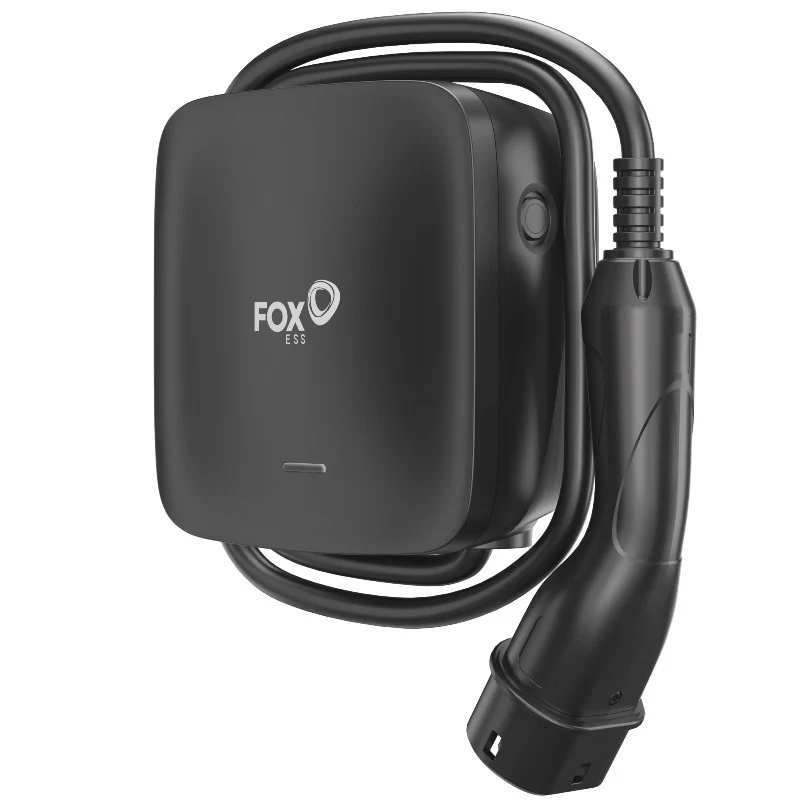
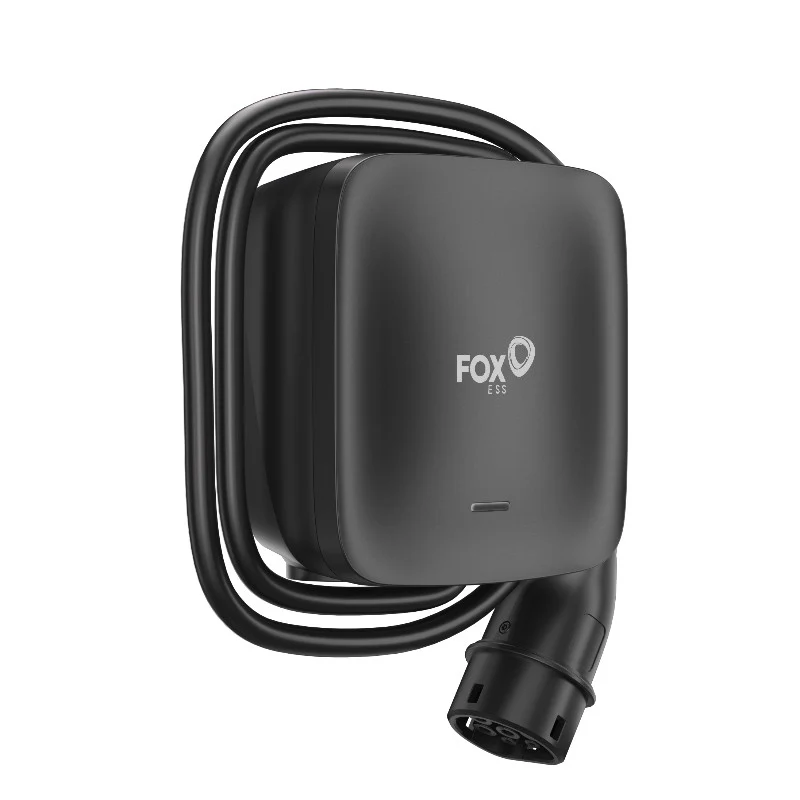
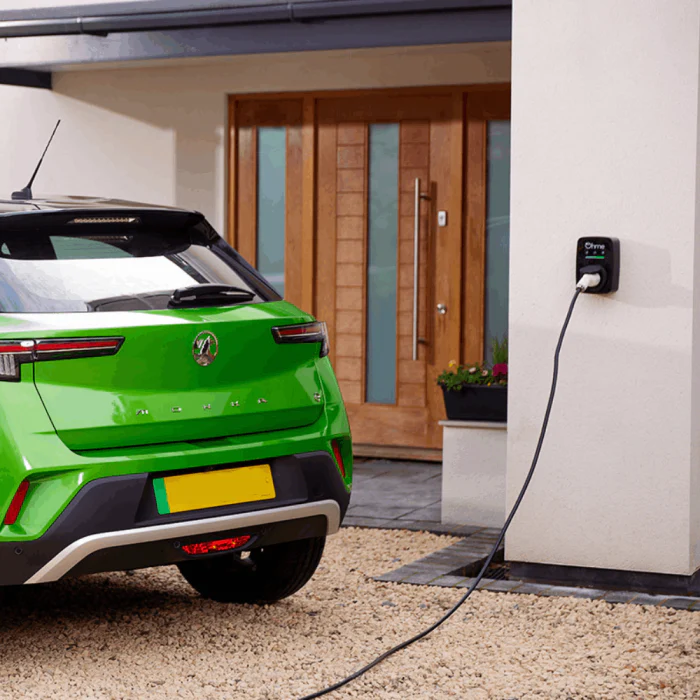
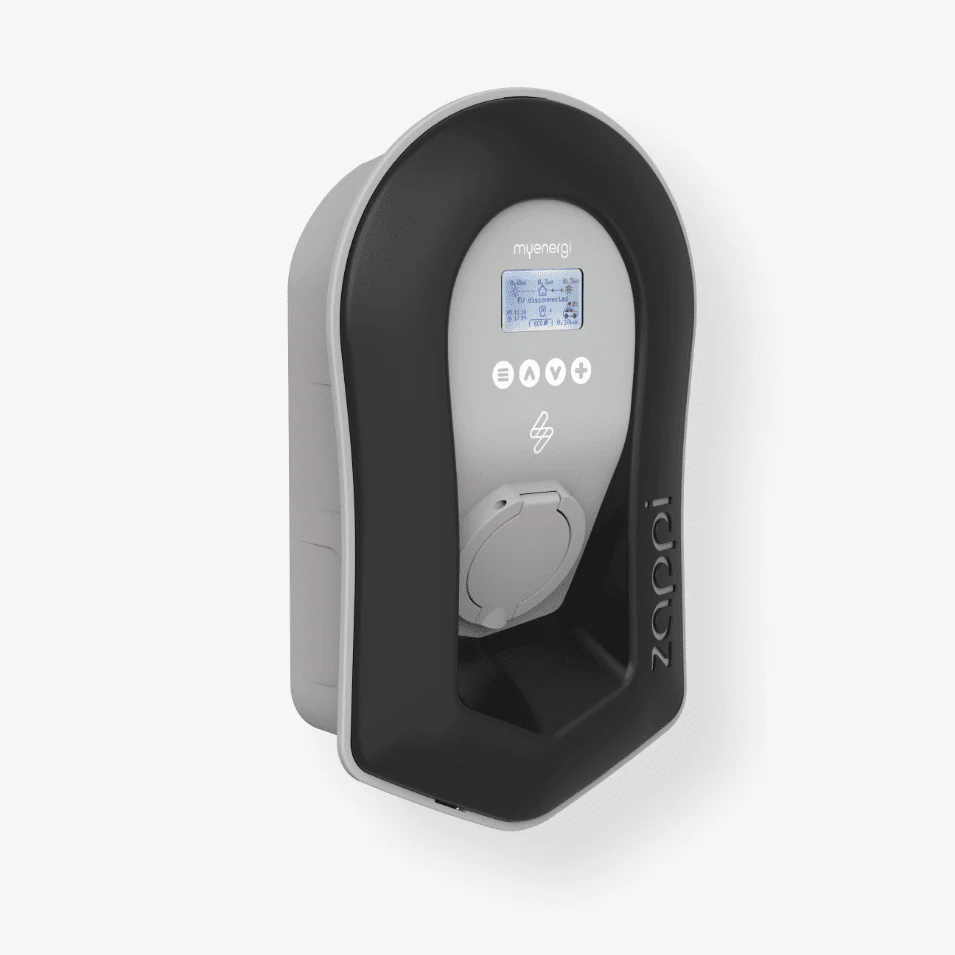
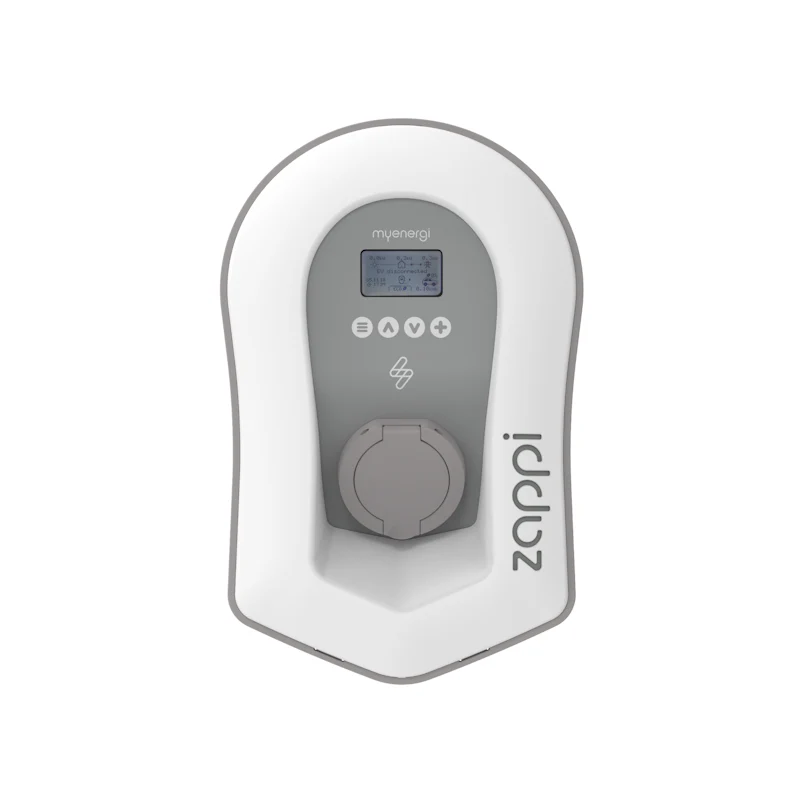
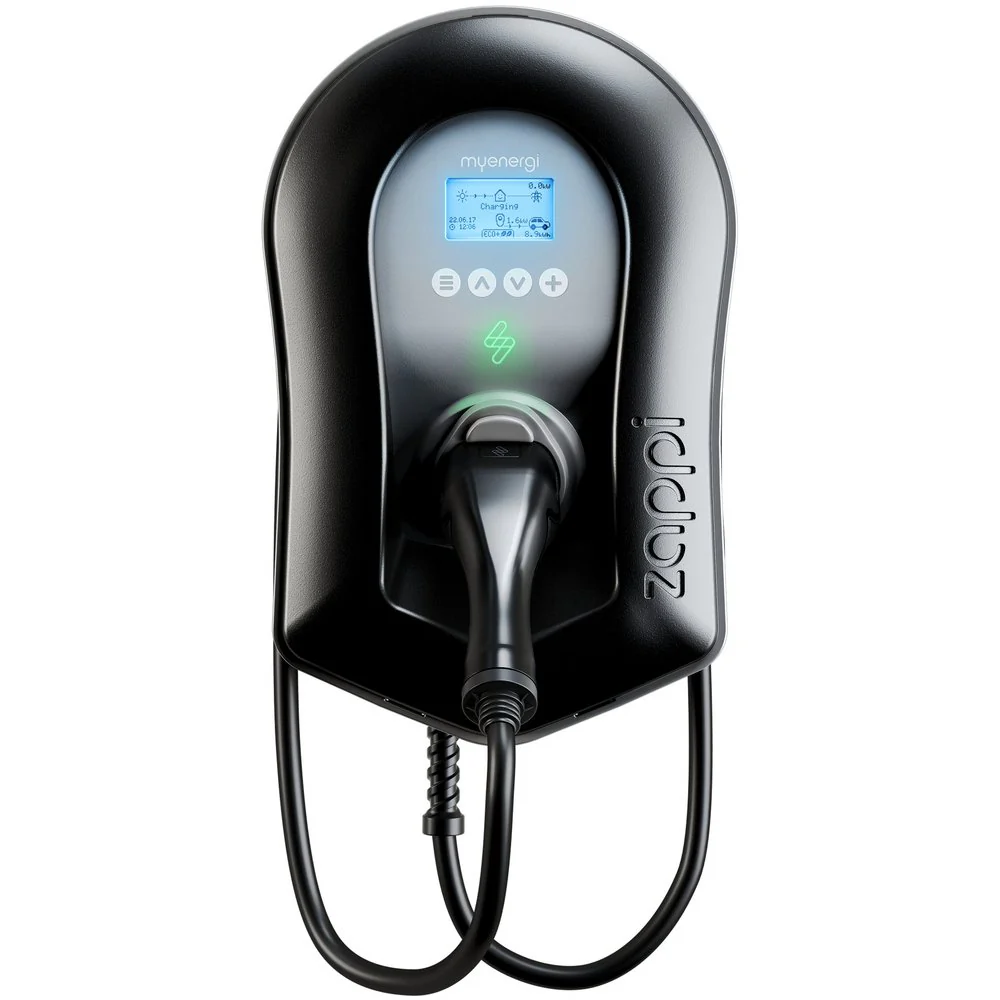
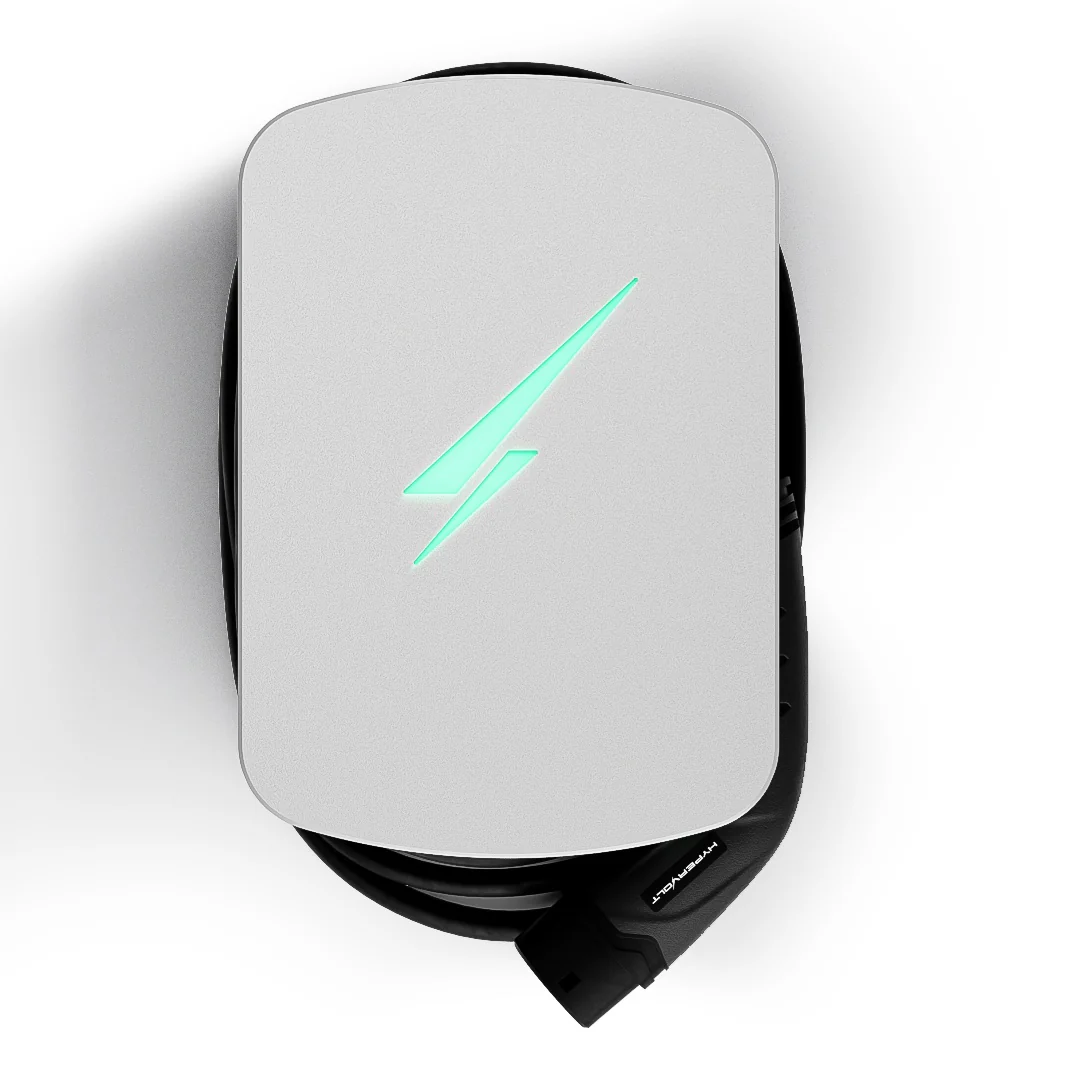
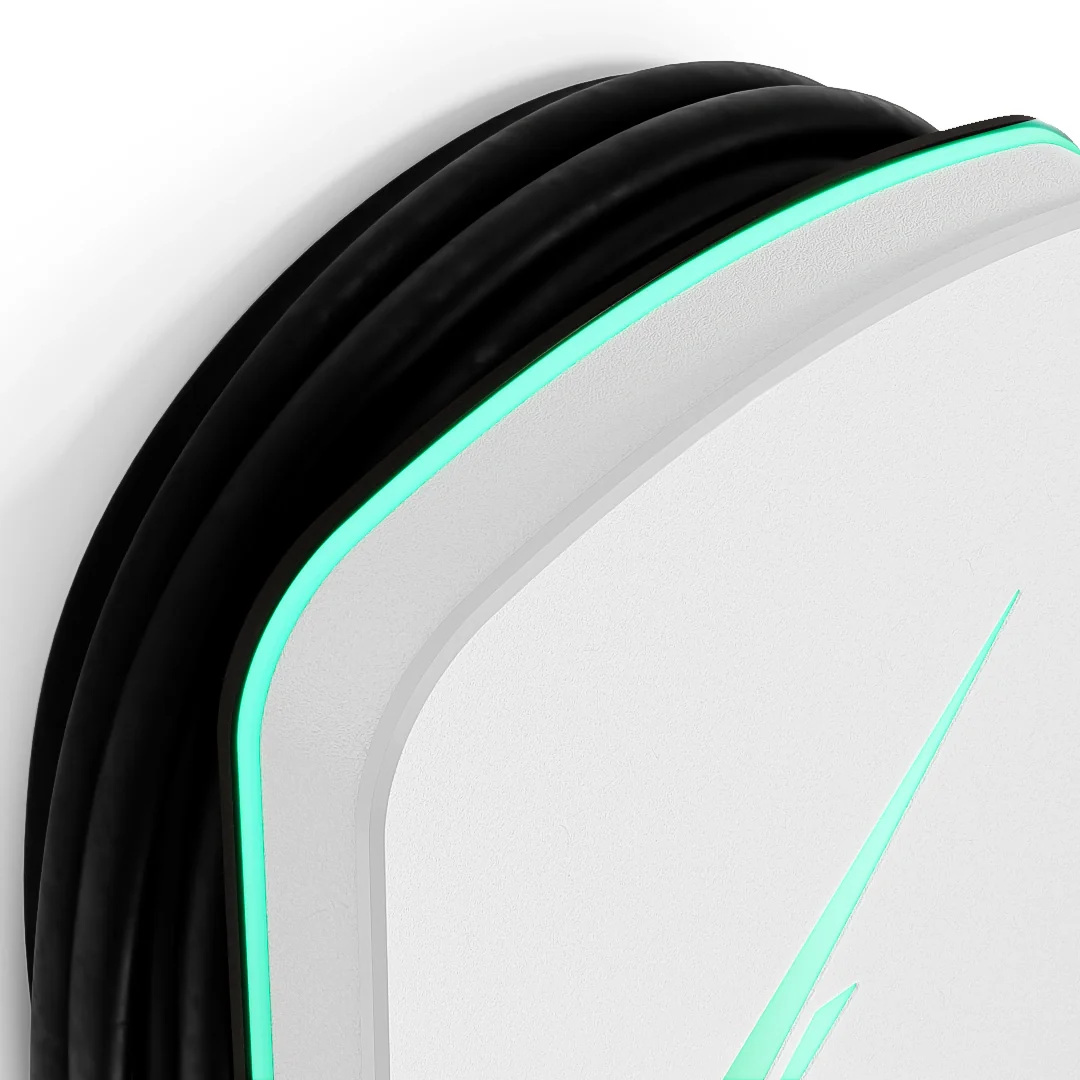
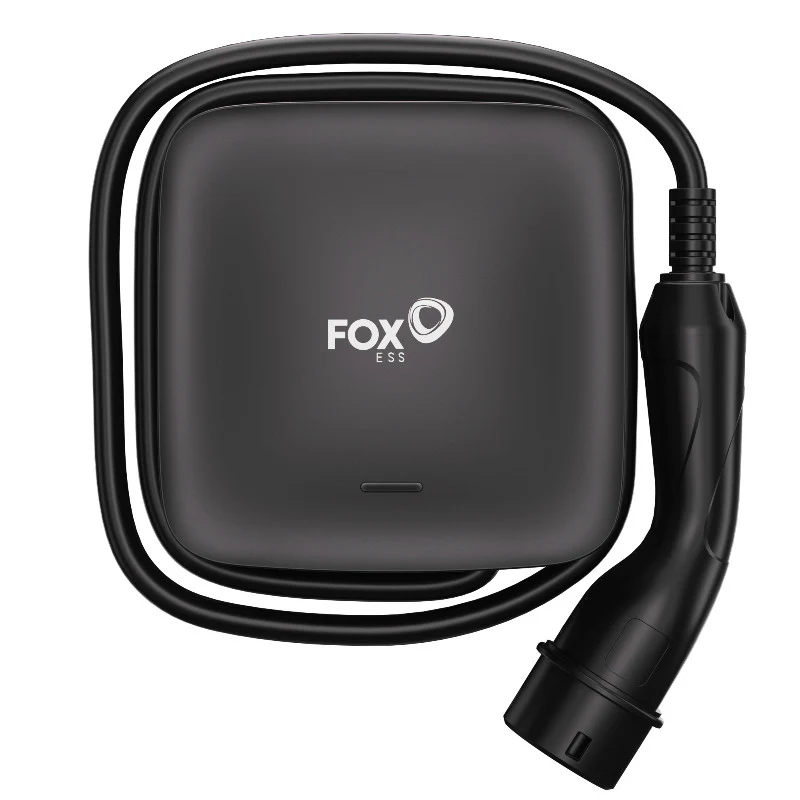
The Fox ESS L Series 7.3 kW EV Charger (FE-EV-L07P) is a smart, solar-ready single-phase home EV charger with a 5-metre tethered Type 2 cable. It integrates directly with the Fox ESS inverter and battery ecosystem to enable genuine solar self-consumption charging — automatically diverting surplus PV generation to your EV before it is exported to the grid. Dynamic load balancing continuously monitors your household's live electricity demand and adjusts charging power to prevent tripping your main supply circuit. Control is via three modes: Plug & Charge (auto-start on connection), RFID card, or the FoxESS App with scheduled and solar-optimised charging. Built to IP55 and IK08 for permanent outdoor installation, and OCPP 1.6 / 2.0.1 compliant for future commercial or fleet applications.

7.3 kW
Max output (32A / 1PH)
5 m
Type 2 tethered cable
IP55 / IK08
Weatherproof / impact
Solar-ready
Fox ESS PV linkage
OCPP 1.6/2.0
Commercial-ready
⚠ Installer Note — EV charger installation must be carried out by a qualified electrician registered with an approved competent persons scheme (e.g. NICEIC, NAPIT). A dedicated 32A circuit with 6–10 mm² supply cable is required. The unit contains an integrated 6 mA DC residual current detection device (RCD-DD), but an external Type A RCCB (40A / 30mA) must also be fitted in the consumer unit upstream. Bottom or back cable entry to suit the installation.
⚡ G100 & DNO Compliance — Confirm G100 compliance status for this specific model with your installer and local DNO before installation. For solar self-use charging, the Fox ESS L Series connects to the FoxESS ecosystem via LAN or Wi-Fi — the Fox ESS inverter must be on the same network.
Features & Benefits
✔ Solar PV Linkage — Charge from the Sun
When paired with a Fox ESS inverter, the L07P reads the system's live generation and consumption data and automatically diverts surplus PV power to charge the EV. Rather than exporting cheap excess solar to the grid, you drive on electricity you've generated yourself. No third-party CT clamp or energy meter configuration is required when using native Fox ESS integration.
✔ Dynamic Load Balancing
Dynamic load management continuously monitors total household electricity demand and modulates the charger's output current in real time to ensure your main supply fuse is never overloaded. When high-draw appliances (ovens, showers, heat pumps) switch on, charging power is automatically reduced to compensate — then restored when demand falls. No manual intervention required.
✔ Three Control Modes
The L07P offers flexible access control for different household scenarios. Plug & Charge starts automatically on cable connection — ideal for a single-occupancy home. RFID card authentication restricts use to authorised users. App control via FoxESS allows scheduling, solar-mode activation, and remote monitoring from any location.
✔ Scheduled & Off-Peak Charging
Set charging windows via the FoxESS app to coincide with off-peak tariff periods (such as Octopus Go, Economy 7, or Agile). The charger will start and stop automatically at the programmed times, maximising the cost savings available from time-of-use electricity tariffs without needing to remember to plug in at the right moment.
✔ OCPP 1.6 JSON / 2.0.1 — Commercial-Ready
Full OCPP 1.6 JSON and OCPP 2.0.1 protocol support means the L07P can be managed via any OCPP-compatible back-office platform — enabling use in workplace charging schemes, landlord-managed multi-occupancy installations, and fleet charging applications alongside residential use. This future-proofs the investment beyond a straightforward home charger.
✔ IP55 / IK08 — Outdoor Durability
IP55 (dust-tight and jet-water resistant) and IK08 (impact resistant to 5 J) make the L07P suitable for permanent outdoor wall or post-column mounting without additional enclosure. Rated for operation from –25°C to +50°C, it will perform reliably through UK winter conditions.
✔ 6 mA DC RCD-DD — Built-in Safety
The integrated 6 mA DC residual current detection device (RCD-DD) meets the IEC 62955 requirement for EV chargers — detecting dangerous DC leakage currents without requiring an expensive Type B RCD in the consumer unit. A standard Type A RCCB upstream is sufficient, significantly reducing overall installation cost versus older EV charger designs.
✔ Wall or Post-Mount, Bottom or Back Entry
The compact body (197 × 196 × 105 mm, 3.9 kg) mounts directly to a wall or to a dedicated floor column. Supply cable entry via the bottom or back of the unit gives flexibility to suit different installation configurations — particularly useful for post-mounted driveways where bottom entry avoids visible cable runs.
✔ Fox ESS Ecosystem Integration
The L07P is designed for native integration with Fox ESS H1, KH1, and AIO hybrid inverters and their associated battery storage systems. When all three are combined — solar PV, battery storage, and EV charging — the Fox ESS system can intelligently prioritise self-consumption: charge the battery first, then the car, then export, or any hierarchy you configure.
✔ Low Standby Consumption
Standby power consumption of less than 7 W — on a unit that will be connected and live 24 hours a day, this is a meaningful consideration. Lower standby draw than many older or lower-specification home chargers which can consume 15–25 W continuously.
Technical Specifications
Manufacturer Fox ESS
Part Number / SKU FE-EV-L07P
Model L Series L07P
Rated Output Power 7.3 kW
Phases Single-phase (1PH)
Input Voltage 230 V AC ±20%
Max Input / Output Current 32 A
Frequency 50 / 60 Hz
Connector / Cable 5 m tethered Type 2 (IEC 62196-2)
Charge Mode Mode 3 — IEC 61851-1
Ingress Protection IP55
Mechanical Impact IK08
DC Leakage Protection (RCD-DD) 6 mA (IEC 62955) — integrated; external Type A RCCB still required
Supply Cable Requirement 6–10 mm² recommended for 7.3 kW; dedicated 32A circuit
Cable Entry Bottom or back (installer choice)
Mounting Wall mount or floor column / post mount
Communication Wi-Fi 2.4 GHz, Bluetooth, LAN (Ethernet)
OCPP Protocol OCPP 1.6 JSON / OCPP 2.0.1
Control Modes Plug & Charge (auto), RFID card, App (FoxESS)
Solar Linkage Yes — native integration with Fox ESS inverters
Dynamic Load Balancing Yes — real-time adjustment to household demand
Standby Power < 7 W
Operating Temperature –25°C to +50°C
Dimensions (W × H × D) 197 × 196 × 105 mm
Weight 3.9 kg
Certifications CE / UKCA, IEC 61851-1, IEC 62955, IEC 62196-2
Frequently Asked Questions
Do I need a Fox ESS inverter to use solar charging?
For the native solar linkage mode, yes — the L07P connects directly to Fox ESS inverters (H1, KH1, AIO) via LAN and reads real-time generation and consumption data from the FoxESS system. If you have a different brand of inverter and want solar-excess charging, you can install a Fox Smart Meter in the distribution board, which provides the necessary energy data to the charger without needing a Fox inverter. Contact us to confirm compatibility with your existing installation.
Does the integrated RCD-DD mean I don't need a special consumer unit protection device?
The built-in 6 mA DC RCD-DD satisfies the IEC 62955 requirement for DC fault current detection — which means you do not need the more expensive Type B RCD in your consumer unit. However, you still need a standard Type A RCCB (40A/30mA AC protection) upstream in the consumer unit or sub-board to protect the supply circuit. Your installer will confirm the appropriate protection arrangement for your specific installation.
What is dynamic load balancing and why does it matter?
Most homes have a main supply fuse rated at 60A, 80A, or 100A. If the EV charger draws its full 32A while other high-demand appliances are also running, you risk tripping the main fuse. Dynamic load balancing monitors the total current being drawn from the supply in real time and automatically reduces the charger's output to keep the total load within the fuse rating. When other loads decrease, charging power is restored automatically. This allows a full 7.3 kW charge point to coexist with a normal household without risk of supply overload.
What OCPP support does it have and when would I use it?
The L07P supports OCPP 1.6 JSON and OCPP 2.0.1 — the open protocols used by commercial EV charge point management systems. This means it can be registered with a back-office platform such as those used for workplace charging, OZEV Electric Vehicle Infrastructure Grant schemes, landlord-managed charging, or multi-unit fleet management. For straightforward home use the app is sufficient; OCPP becomes relevant when billing, access management, or reporting are required.
What does the installer need to supply and what circuit is required?
The installer must run a dedicated 32A single-phase circuit from the consumer unit to the charger. 6–10 mm² supply cable is recommended for the 7.3 kW variant. An external Type A RCCB (40A/30mA, minimum) must be installed in the consumer unit or a sub-board — a Type B RCD is not required thanks to the integrated RCD-DD. The charger must be installed by a qualified electrician registered with an approved competent persons scheme. Mounting hardware for wall installation and all connectors are supplied with the unit.
$180.92

Original: $516.92

-65%
Fox ESS L Series 7.3kW Single-Phase Tethered EV Charger with 5m Type 2 Cable

$516.92

$180.92

More Images

Fox ESS L Series 7.3kW Single-Phase Tethered EV Charger with 5m Type 2 Cable - Image 2
Fox ESS L Series 7.3kW Single-Phase Tethered EV Charger with 5m Type 2 Cable - Image 3

Fox ESS L Series 7.3kW Single-Phase Tethered EV Charger with 5m Type 2 Cable

The Fox ESS L Series 7.3 kW EV Charger (FE-EV-L07P) is a smart, solar-ready single-phase home EV charger with a 5-metre tethered Type 2 cable. It integrates directly with the Fox ESS inverter and battery ecosystem to enable genuine solar self-consumption charging — automatically diverting surplus PV generation to your EV before it is exported to the grid. Dynamic load balancing continuously monitors your household's live electricity demand and adjusts charging power to prevent tripping your main supply circuit. Control is via three modes: Plug & Charge (auto-start on connection), RFID card, or the FoxESS App with scheduled and solar-optimised charging. Built to IP55 and IK08 for permanent outdoor installation, and OCPP 1.6 / 2.0.1 compliant for future commercial or fleet applications.

7.3 kW
Max output (32A / 1PH)
5 m
Type 2 tethered cable
IP55 / IK08
Weatherproof / impact
Solar-ready
Fox ESS PV linkage
OCPP 1.6/2.0
Commercial-ready
⚠ Installer Note — EV charger installation must be carried out by a qualified electrician registered with an approved competent persons scheme (e.g. NICEIC, NAPIT). A dedicated 32A circuit with 6–10 mm² supply cable is required. The unit contains an integrated 6 mA DC residual current detection device (RCD-DD), but an external Type A RCCB (40A / 30mA) must also be fitted in the consumer unit upstream. Bottom or back cable entry to suit the installation.
⚡ G100 & DNO Compliance — Confirm G100 compliance status for this specific model with your installer and local DNO before installation. For solar self-use charging, the Fox ESS L Series connects to the FoxESS ecosystem via LAN or Wi-Fi — the Fox ESS inverter must be on the same network.
Features & Benefits
✔ Solar PV Linkage — Charge from the Sun
When paired with a Fox ESS inverter, the L07P reads the system's live generation and consumption data and automatically diverts surplus PV power to charge the EV. Rather than exporting cheap excess solar to the grid, you drive on electricity you've generated yourself. No third-party CT clamp or energy meter configuration is required when using native Fox ESS integration.
✔ Dynamic Load Balancing
Dynamic load management continuously monitors total household electricity demand and modulates the charger's output current in real time to ensure your main supply fuse is never overloaded. When high-draw appliances (ovens, showers, heat pumps) switch on, charging power is automatically reduced to compensate — then restored when demand falls. No manual intervention required.
✔ Three Control Modes
The L07P offers flexible access control for different household scenarios. Plug & Charge starts automatically on cable connection — ideal for a single-occupancy home. RFID card authentication restricts use to authorised users. App control via FoxESS allows scheduling, solar-mode activation, and remote monitoring from any location.
✔ Scheduled & Off-Peak Charging
Set charging windows via the FoxESS app to coincide with off-peak tariff periods (such as Octopus Go, Economy 7, or Agile). The charger will start and stop automatically at the programmed times, maximising the cost savings available from time-of-use electricity tariffs without needing to remember to plug in at the right moment.
✔ OCPP 1.6 JSON / 2.0.1 — Commercial-Ready
Full OCPP 1.6 JSON and OCPP 2.0.1 protocol support means the L07P can be managed via any OCPP-compatible back-office platform — enabling use in workplace charging schemes, landlord-managed multi-occupancy installations, and fleet charging applications alongside residential use. This future-proofs the investment beyond a straightforward home charger.
✔ IP55 / IK08 — Outdoor Durability
IP55 (dust-tight and jet-water resistant) and IK08 (impact resistant to 5 J) make the L07P suitable for permanent outdoor wall or post-column mounting without additional enclosure. Rated for operation from –25°C to +50°C, it will perform reliably through UK winter conditions.
✔ 6 mA DC RCD-DD — Built-in Safety
The integrated 6 mA DC residual current detection device (RCD-DD) meets the IEC 62955 requirement for EV chargers — detecting dangerous DC leakage currents without requiring an expensive Type B RCD in the consumer unit. A standard Type A RCCB upstream is sufficient, significantly reducing overall installation cost versus older EV charger designs.
✔ Wall or Post-Mount, Bottom or Back Entry
The compact body (197 × 196 × 105 mm, 3.9 kg) mounts directly to a wall or to a dedicated floor column. Supply cable entry via the bottom or back of the unit gives flexibility to suit different installation configurations — particularly useful for post-mounted driveways where bottom entry avoids visible cable runs.
✔ Fox ESS Ecosystem Integration
The L07P is designed for native integration with Fox ESS H1, KH1, and AIO hybrid inverters and their associated battery storage systems. When all three are combined — solar PV, battery storage, and EV charging — the Fox ESS system can intelligently prioritise self-consumption: charge the battery first, then the car, then export, or any hierarchy you configure.
✔ Low Standby Consumption
Standby power consumption of less than 7 W — on a unit that will be connected and live 24 hours a day, this is a meaningful consideration. Lower standby draw than many older or lower-specification home chargers which can consume 15–25 W continuously.
Technical Specifications
Manufacturer Fox ESS
Part Number / SKU FE-EV-L07P
Model L Series L07P
Rated Output Power 7.3 kW
Phases Single-phase (1PH)
Input Voltage 230 V AC ±20%
Max Input / Output Current 32 A
Frequency 50 / 60 Hz
Connector / Cable 5 m tethered Type 2 (IEC 62196-2)
Charge Mode Mode 3 — IEC 61851-1
Ingress Protection IP55
Mechanical Impact IK08
DC Leakage Protection (RCD-DD) 6 mA (IEC 62955) — integrated; external Type A RCCB still required
Supply Cable Requirement 6–10 mm² recommended for 7.3 kW; dedicated 32A circuit
Cable Entry Bottom or back (installer choice)
Mounting Wall mount or floor column / post mount
Communication Wi-Fi 2.4 GHz, Bluetooth, LAN (Ethernet)
OCPP Protocol OCPP 1.6 JSON / OCPP 2.0.1
Control Modes Plug & Charge (auto), RFID card, App (FoxESS)
Solar Linkage Yes — native integration with Fox ESS inverters
Dynamic Load Balancing Yes — real-time adjustment to household demand
Standby Power < 7 W
Operating Temperature –25°C to +50°C
Dimensions (W × H × D) 197 × 196 × 105 mm
Weight 3.9 kg
Certifications CE / UKCA, IEC 61851-1, IEC 62955, IEC 62196-2
Frequently Asked Questions
Do I need a Fox ESS inverter to use solar charging?
For the native solar linkage mode, yes — the L07P connects directly to Fox ESS inverters (H1, KH1, AIO) via LAN and reads real-time generation and consumption data from the FoxESS system. If you have a different brand of inverter and want solar-excess charging, you can install a Fox Smart Meter in the distribution board, which provides the necessary energy data to the charger without needing a Fox inverter. Contact us to confirm compatibility with your existing installation.
Does the integrated RCD-DD mean I don't need a special consumer unit protection device?
The built-in 6 mA DC RCD-DD satisfies the IEC 62955 requirement for DC fault current detection — which means you do not need the more expensive Type B RCD in your consumer unit. However, you still need a standard Type A RCCB (40A/30mA AC protection) upstream in the consumer unit or sub-board to protect the supply circuit. Your installer will confirm the appropriate protection arrangement for your specific installation.
What is dynamic load balancing and why does it matter?
Most homes have a main supply fuse rated at 60A, 80A, or 100A. If the EV charger draws its full 32A while other high-demand appliances are also running, you risk tripping the main fuse. Dynamic load balancing monitors the total current being drawn from the supply in real time and automatically reduces the charger's output to keep the total load within the fuse rating. When other loads decrease, charging power is restored automatically. This allows a full 7.3 kW charge point to coexist with a normal household without risk of supply overload.
What OCPP support does it have and when would I use it?
The L07P supports OCPP 1.6 JSON and OCPP 2.0.1 — the open protocols used by commercial EV charge point management systems. This means it can be registered with a back-office platform such as those used for workplace charging, OZEV Electric Vehicle Infrastructure Grant schemes, landlord-managed charging, or multi-unit fleet management. For straightforward home use the app is sufficient; OCPP becomes relevant when billing, access management, or reporting are required.
What does the installer need to supply and what circuit is required?
The installer must run a dedicated 32A single-phase circuit from the consumer unit to the charger. 6–10 mm² supply cable is recommended for the 7.3 kW variant. An external Type A RCCB (40A/30mA, minimum) must be installed in the consumer unit or a sub-board — a Type B RCD is not required thanks to the integrated RCD-DD. The charger must be installed by a qualified electrician registered with an approved competent persons scheme. Mounting hardware for wall installation and all connectors are supplied with the unit.

Product Information

Shipping & Returns

Description

The Fox ESS L Series 7.3 kW EV Charger (FE-EV-L07P) is a smart, solar-ready single-phase home EV charger with a 5-metre tethered Type 2 cable. It integrates directly with the Fox ESS inverter and battery ecosystem to enable genuine solar self-consumption charging — automatically diverting surplus PV generation to your EV before it is exported to the grid. Dynamic load balancing continuously monitors your household's live electricity demand and adjusts charging power to prevent tripping your main supply circuit. Control is via three modes: Plug & Charge (auto-start on connection), RFID card, or the FoxESS App with scheduled and solar-optimised charging. Built to IP55 and IK08 for permanent outdoor installation, and OCPP 1.6 / 2.0.1 compliant for future commercial or fleet applications.

7.3 kW
Max output (32A / 1PH)
5 m
Type 2 tethered cable
IP55 / IK08
Weatherproof / impact
Solar-ready
Fox ESS PV linkage
OCPP 1.6/2.0
Commercial-ready
⚠ Installer Note — EV charger installation must be carried out by a qualified electrician registered with an approved competent persons scheme (e.g. NICEIC, NAPIT). A dedicated 32A circuit with 6–10 mm² supply cable is required. The unit contains an integrated 6 mA DC residual current detection device (RCD-DD), but an external Type A RCCB (40A / 30mA) must also be fitted in the consumer unit upstream. Bottom or back cable entry to suit the installation.
⚡ G100 & DNO Compliance — Confirm G100 compliance status for this specific model with your installer and local DNO before installation. For solar self-use charging, the Fox ESS L Series connects to the FoxESS ecosystem via LAN or Wi-Fi — the Fox ESS inverter must be on the same network.
Features & Benefits
✔ Solar PV Linkage — Charge from the Sun
When paired with a Fox ESS inverter, the L07P reads the system's live generation and consumption data and automatically diverts surplus PV power to charge the EV. Rather than exporting cheap excess solar to the grid, you drive on electricity you've generated yourself. No third-party CT clamp or energy meter configuration is required when using native Fox ESS integration.
✔ Dynamic Load Balancing
Dynamic load management continuously monitors total household electricity demand and modulates the charger's output current in real time to ensure your main supply fuse is never overloaded. When high-draw appliances (ovens, showers, heat pumps) switch on, charging power is automatically reduced to compensate — then restored when demand falls. No manual intervention required.
✔ Three Control Modes
The L07P offers flexible access control for different household scenarios. Plug & Charge starts automatically on cable connection — ideal for a single-occupancy home. RFID card authentication restricts use to authorised users. App control via FoxESS allows scheduling, solar-mode activation, and remote monitoring from any location.
✔ Scheduled & Off-Peak Charging
Set charging windows via the FoxESS app to coincide with off-peak tariff periods (such as Octopus Go, Economy 7, or Agile). The charger will start and stop automatically at the programmed times, maximising the cost savings available from time-of-use electricity tariffs without needing to remember to plug in at the right moment.
✔ OCPP 1.6 JSON / 2.0.1 — Commercial-Ready
Full OCPP 1.6 JSON and OCPP 2.0.1 protocol support means the L07P can be managed via any OCPP-compatible back-office platform — enabling use in workplace charging schemes, landlord-managed multi-occupancy installations, and fleet charging applications alongside residential use. This future-proofs the investment beyond a straightforward home charger.
✔ IP55 / IK08 — Outdoor Durability
IP55 (dust-tight and jet-water resistant) and IK08 (impact resistant to 5 J) make the L07P suitable for permanent outdoor wall or post-column mounting without additional enclosure. Rated for operation from –25°C to +50°C, it will perform reliably through UK winter conditions.
✔ 6 mA DC RCD-DD — Built-in Safety
The integrated 6 mA DC residual current detection device (RCD-DD) meets the IEC 62955 requirement for EV chargers — detecting dangerous DC leakage currents without requiring an expensive Type B RCD in the consumer unit. A standard Type A RCCB upstream is sufficient, significantly reducing overall installation cost versus older EV charger designs.
✔ Wall or Post-Mount, Bottom or Back Entry
The compact body (197 × 196 × 105 mm, 3.9 kg) mounts directly to a wall or to a dedicated floor column. Supply cable entry via the bottom or back of the unit gives flexibility to suit different installation configurations — particularly useful for post-mounted driveways where bottom entry avoids visible cable runs.
✔ Fox ESS Ecosystem Integration
The L07P is designed for native integration with Fox ESS H1, KH1, and AIO hybrid inverters and their associated battery storage systems. When all three are combined — solar PV, battery storage, and EV charging — the Fox ESS system can intelligently prioritise self-consumption: charge the battery first, then the car, then export, or any hierarchy you configure.
✔ Low Standby Consumption
Standby power consumption of less than 7 W — on a unit that will be connected and live 24 hours a day, this is a meaningful consideration. Lower standby draw than many older or lower-specification home chargers which can consume 15–25 W continuously.
Technical Specifications
Manufacturer Fox ESS
Part Number / SKU FE-EV-L07P
Model L Series L07P
Rated Output Power 7.3 kW
Phases Single-phase (1PH)
Input Voltage 230 V AC ±20%
Max Input / Output Current 32 A
Frequency 50 / 60 Hz
Connector / Cable 5 m tethered Type 2 (IEC 62196-2)
Charge Mode Mode 3 — IEC 61851-1
Ingress Protection IP55
Mechanical Impact IK08
DC Leakage Protection (RCD-DD) 6 mA (IEC 62955) — integrated; external Type A RCCB still required
Supply Cable Requirement 6–10 mm² recommended for 7.3 kW; dedicated 32A circuit
Cable Entry Bottom or back (installer choice)
Mounting Wall mount or floor column / post mount
Communication Wi-Fi 2.4 GHz, Bluetooth, LAN (Ethernet)
OCPP Protocol OCPP 1.6 JSON / OCPP 2.0.1
Control Modes Plug & Charge (auto), RFID card, App (FoxESS)
Solar Linkage Yes — native integration with Fox ESS inverters
Dynamic Load Balancing Yes — real-time adjustment to household demand
Standby Power < 7 W
Operating Temperature –25°C to +50°C
Dimensions (W × H × D) 197 × 196 × 105 mm
Weight 3.9 kg
Certifications CE / UKCA, IEC 61851-1, IEC 62955, IEC 62196-2
Frequently Asked Questions
Do I need a Fox ESS inverter to use solar charging?
For the native solar linkage mode, yes — the L07P connects directly to Fox ESS inverters (H1, KH1, AIO) via LAN and reads real-time generation and consumption data from the FoxESS system. If you have a different brand of inverter and want solar-excess charging, you can install a Fox Smart Meter in the distribution board, which provides the necessary energy data to the charger without needing a Fox inverter. Contact us to confirm compatibility with your existing installation.
Does the integrated RCD-DD mean I don't need a special consumer unit protection device?
The built-in 6 mA DC RCD-DD satisfies the IEC 62955 requirement for DC fault current detection — which means you do not need the more expensive Type B RCD in your consumer unit. However, you still need a standard Type A RCCB (40A/30mA AC protection) upstream in the consumer unit or sub-board to protect the supply circuit. Your installer will confirm the appropriate protection arrangement for your specific installation.
What is dynamic load balancing and why does it matter?
Most homes have a main supply fuse rated at 60A, 80A, or 100A. If the EV charger draws its full 32A while other high-demand appliances are also running, you risk tripping the main fuse. Dynamic load balancing monitors the total current being drawn from the supply in real time and automatically reduces the charger's output to keep the total load within the fuse rating. When other loads decrease, charging power is restored automatically. This allows a full 7.3 kW charge point to coexist with a normal household without risk of supply overload.
What OCPP support does it have and when would I use it?
The L07P supports OCPP 1.6 JSON and OCPP 2.0.1 — the open protocols used by commercial EV charge point management systems. This means it can be registered with a back-office platform such as those used for workplace charging, OZEV Electric Vehicle Infrastructure Grant schemes, landlord-managed charging, or multi-unit fleet management. For straightforward home use the app is sufficient; OCPP becomes relevant when billing, access management, or reporting are required.
What does the installer need to supply and what circuit is required?
The installer must run a dedicated 32A single-phase circuit from the consumer unit to the charger. 6–10 mm² supply cable is recommended for the 7.3 kW variant. An external Type A RCCB (40A/30mA, minimum) must be installed in the consumer unit or a sub-board — a Type B RCD is not required thanks to the integrated RCD-DD. The charger must be installed by a qualified electrician registered with an approved competent persons scheme. Mounting hardware for wall installation and all connectors are supplied with the unit.