
Samsung Modbus Interface for external BMS systems and Homely Thermostats
The Samsung Modbus Interface (MIM‑B19N) is a Modbus interface module that allows Samsung heat pumps and HVAC systems to be monitored and controlled by external Modbus‑based systems, such as building management systems (BMS), smart‑home platforms and Homely thermostats.
Product Overview
- Model: MIM‑B19N Modbus Interface Module.
- Purpose: Provides a Modbus RTU gateway between Samsung Eco Heating System (EHS), HT and other compatible climate systems and third‑party controllers.
- Applications: Integration with BMS, energy‑monitoring platforms, smart‑home controllers and dedicated heat‑pump controllers (e.g. Homely) for advanced control and logging.
Key Features
- Modbus RTU integration – exposes key heat‑pump registers over Modbus via RS‑485, enabling read/write access to operating data and control parameters such as setpoints, modes and pump status.
- Broad system support – designed for Samsung Eco Heating System (EHS), High Temperature (HT) and High Efficiency (HE) systems, and widely used with modern EHS Mono / HT Quiet heat pumps.
- External control compatibility – supports connection to BMS systems, home‑automation platforms (e.g. via Modbus‑to‑USB or Modbus‑TCP gateways) and third‑party smart controllers.
- Remote fault monitoring – enables remote reading of alarms, status codes and operating conditions for proactive maintenance and diagnostics.
- Large system capacity – can interface with multi‑indoor‑unit systems (up to hundreds of indoor units in AC applications) for centralised control in larger installations.
Communication & Electrical Details
- Protocol: Modbus RTU over RS‑485.
- Serial parameters (fixed): 9600 baud, 8 data bits, even parity, 1 stop bit.
- Modbus address range: slave address configurable between 1 and 247.
- Interfaces: RS‑485 bus terminals (A/B), often with additional communication ports for system connection; some variants incorporate Ethernet for web access in AC/BMS use.
- Power supply: typically 100–240V AC input (50/60Hz) with internal 12V DC output for module electronics, supplied via integral PSU.
Physical Characteristics
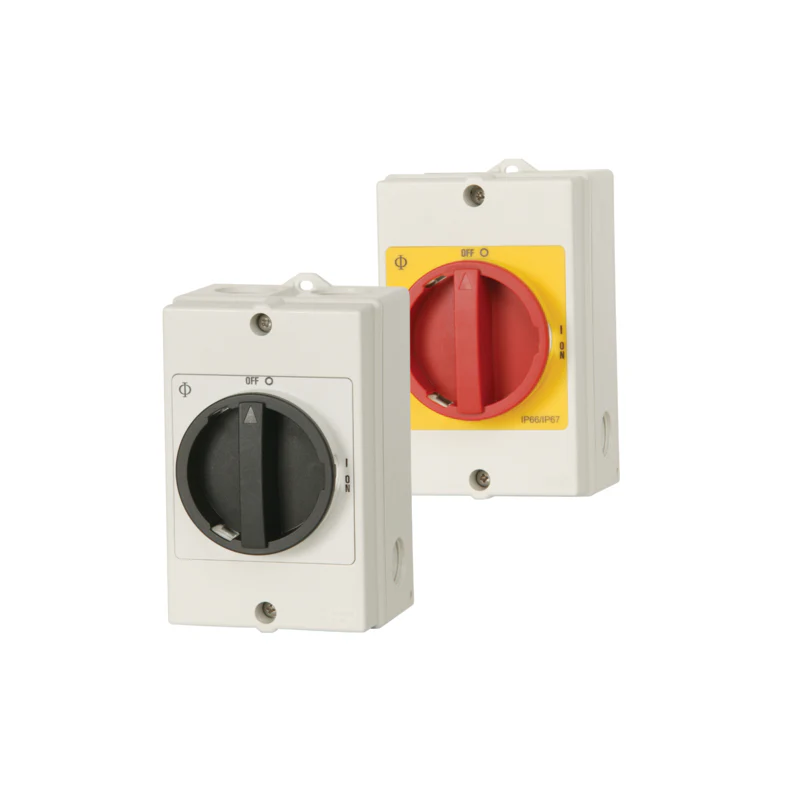
- Enclosure type: wall‑mountable control module in a compact housing suitable for plant rooms or control panels.
- Approximate dimensions: about 240mm (W) × 255mm (H) × 65mm (D).
- Mounting: typically mounted near the indoor unit, controller, or within a dedicated control panel, with RS‑485 cabling run to the external Modbus master device.
Integration & Use
- Wiring: connect the module to the Samsung system’s designated Modbus/communication port and to the RS‑485 Modbus bus (A/B) serving the BMS or external controller.
- Configuration: set the Modbus address and ensure that the external Modbus master uses the fixed serial settings (9600 baud, 8‑E‑1) and the correct register map for the Samsung system.
- Typical applications: detailed performance monitoring (flow/return temperatures, power, COP), advanced control strategies (weather compensation via external logic, tariff‑based control, load shifting) and integration into whole‑building energy platforms.
Original: $263.19
-65%$263.19
$92.12Samsung Modbus Interface for external BMS systems and Homely Thermostats
The Samsung Modbus Interface (MIM‑B19N) is a Modbus interface module that allows Samsung heat pumps and HVAC systems to be monitored and controlled by external Modbus‑based systems, such as building management systems (BMS), smart‑home platforms and Homely thermostats.
Product Overview
- Model: MIM‑B19N Modbus Interface Module.
- Purpose: Provides a Modbus RTU gateway between Samsung Eco Heating System (EHS), HT and other compatible climate systems and third‑party controllers.
- Applications: Integration with BMS, energy‑monitoring platforms, smart‑home controllers and dedicated heat‑pump controllers (e.g. Homely) for advanced control and logging.
Key Features
- Modbus RTU integration – exposes key heat‑pump registers over Modbus via RS‑485, enabling read/write access to operating data and control parameters such as setpoints, modes and pump status.
- Broad system support – designed for Samsung Eco Heating System (EHS), High Temperature (HT) and High Efficiency (HE) systems, and widely used with modern EHS Mono / HT Quiet heat pumps.
- External control compatibility – supports connection to BMS systems, home‑automation platforms (e.g. via Modbus‑to‑USB or Modbus‑TCP gateways) and third‑party smart controllers.
- Remote fault monitoring – enables remote reading of alarms, status codes and operating conditions for proactive maintenance and diagnostics.
- Large system capacity – can interface with multi‑indoor‑unit systems (up to hundreds of indoor units in AC applications) for centralised control in larger installations.
Communication & Electrical Details
- Protocol: Modbus RTU over RS‑485.
- Serial parameters (fixed): 9600 baud, 8 data bits, even parity, 1 stop bit.
- Modbus address range: slave address configurable between 1 and 247.
- Interfaces: RS‑485 bus terminals (A/B), often with additional communication ports for system connection; some variants incorporate Ethernet for web access in AC/BMS use.
- Power supply: typically 100–240V AC input (50/60Hz) with internal 12V DC output for module electronics, supplied via integral PSU.
Physical Characteristics
- Enclosure type: wall‑mountable control module in a compact housing suitable for plant rooms or control panels.
- Approximate dimensions: about 240mm (W) × 255mm (H) × 65mm (D).
- Mounting: typically mounted near the indoor unit, controller, or within a dedicated control panel, with RS‑485 cabling run to the external Modbus master device.
Integration & Use
- Wiring: connect the module to the Samsung system’s designated Modbus/communication port and to the RS‑485 Modbus bus (A/B) serving the BMS or external controller.
- Configuration: set the Modbus address and ensure that the external Modbus master uses the fixed serial settings (9600 baud, 8‑E‑1) and the correct register map for the Samsung system.
- Typical applications: detailed performance monitoring (flow/return temperatures, power, COP), advanced control strategies (weather compensation via external logic, tariff‑based control, load shifting) and integration into whole‑building energy platforms.
Product Information
Product Information
Shipping & Returns
Shipping & Returns
Description
The Samsung Modbus Interface (MIM‑B19N) is a Modbus interface module that allows Samsung heat pumps and HVAC systems to be monitored and controlled by external Modbus‑based systems, such as building management systems (BMS), smart‑home platforms and Homely thermostats.
Product Overview
- Model: MIM‑B19N Modbus Interface Module.
- Purpose: Provides a Modbus RTU gateway between Samsung Eco Heating System (EHS), HT and other compatible climate systems and third‑party controllers.
- Applications: Integration with BMS, energy‑monitoring platforms, smart‑home controllers and dedicated heat‑pump controllers (e.g. Homely) for advanced control and logging.
Key Features
- Modbus RTU integration – exposes key heat‑pump registers over Modbus via RS‑485, enabling read/write access to operating data and control parameters such as setpoints, modes and pump status.
- Broad system support – designed for Samsung Eco Heating System (EHS), High Temperature (HT) and High Efficiency (HE) systems, and widely used with modern EHS Mono / HT Quiet heat pumps.
- External control compatibility – supports connection to BMS systems, home‑automation platforms (e.g. via Modbus‑to‑USB or Modbus‑TCP gateways) and third‑party smart controllers.
- Remote fault monitoring – enables remote reading of alarms, status codes and operating conditions for proactive maintenance and diagnostics.
- Large system capacity – can interface with multi‑indoor‑unit systems (up to hundreds of indoor units in AC applications) for centralised control in larger installations.
Communication & Electrical Details
- Protocol: Modbus RTU over RS‑485.
- Serial parameters (fixed): 9600 baud, 8 data bits, even parity, 1 stop bit.
- Modbus address range: slave address configurable between 1 and 247.
- Interfaces: RS‑485 bus terminals (A/B), often with additional communication ports for system connection; some variants incorporate Ethernet for web access in AC/BMS use.
- Power supply: typically 100–240V AC input (50/60Hz) with internal 12V DC output for module electronics, supplied via integral PSU.
Physical Characteristics
- Enclosure type: wall‑mountable control module in a compact housing suitable for plant rooms or control panels.
- Approximate dimensions: about 240mm (W) × 255mm (H) × 65mm (D).
- Mounting: typically mounted near the indoor unit, controller, or within a dedicated control panel, with RS‑485 cabling run to the external Modbus master device.
Integration & Use
- Wiring: connect the module to the Samsung system’s designated Modbus/communication port and to the RS‑485 Modbus bus (A/B) serving the BMS or external controller.
- Configuration: set the Modbus address and ensure that the external Modbus master uses the fixed serial settings (9600 baud, 8‑E‑1) and the correct register map for the Samsung system.
- Typical applications: detailed performance monitoring (flow/return temperatures, power, COP), advanced control strategies (weather compensation via external logic, tariff‑based control, load shifting) and integration into whole‑building energy platforms.